
From entry to exit: How event experience shapes every moment
Lettecha Johnson | Daily Inter-Lake | UPDATED 1 month, 3 weeks AGO
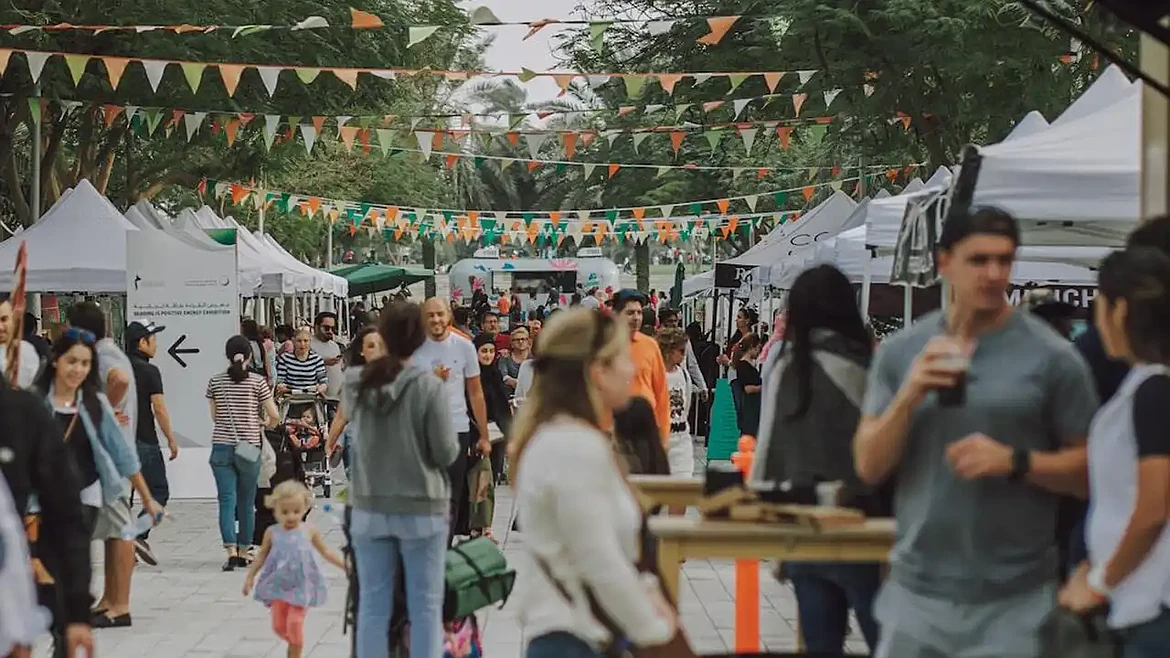
An event experience comprises the impressions, memories, and emotions associated with an event, and it can start from the moment of event sign-up to post-event follow-ups. That's why solid event planning must consider effective journey mapping, focusing on active engagement of participants, multisensory design, ways to personalize the moment, and creating an emotional atmosphere.
Think of a Marvel comics film launch, where, before the release, branded merchandise tie-ins with other companies were available, the actual movie event could happen on the biggest IMAX screen with other enthusiastic fans, and once the movie supposedly ended, everyone stayed for the end-credit scene, which often tied into the next film. In other words, Marvel understood how to make a movie a true event experience.
According to Allied Market Research, the global event industry is projected to reach $2.5 trillion in valuation by 2035. With exhibitions, birthdays, product launches, and community causes, there's always something to celebrate. Therefore, event planners must understand how to make each event more memorable from entry to exit.
How Does an Event Experience Differ from a Normal Event?
A normal event focuses on a static passive event, where people may sit and listen to speakers, consume information, and consume a few snacks. However, event experience transforms this into something more interactive to get people to continuously engage with the content before, during, and even after the event ends.
For example, instead of a boring lecture where people sit, an experimental event may feature more hands-on interaction through workshops, labs, and demonstrations, where participants take away a tangible product they made.
What Goes Into Event Journey Mapping?
For maximum event experience impact, event planners can map out what they want attendees to experience chronologically and visually. Focus on the three main phases, such as the pre-event, during-event, and post-event.
Pre-Event
This phase encourages awareness of the event so people register for it. Planners should send out initial communications through emails, social media, Meetup group notifications, etc. A good example is the announcement of who'll be performing at the Super Bowl when it's months away.
During-Event
This is everything that happens during the event. So plan for various in-person activities that encourage networking, fun, and memories.
Also, structure how people can navigate throughout the venue. For example, the National Museum of African-American History in Washington, D.C., maps exhibitions to begin with pre-slavery/slavery in the basement, encouraging attendees to navigate their way up to the very top, where exhibitions mark President Obama's inauguration and other more modern events.
During the Super Bowl, viewers not only watch a high-impact game but also the half-time show and creative, multi-million-dollar commercials that may become water-cooler or online-meme topics.
You don't have to wait until everything is over to gather insight about attendee engagement. Utilize live interaction tools like real-time polling, track event app downloads, and monitor booth traffic and badge scans.
Post-Event
Post-event follow-up is a perfect time to gather data to incorporate into the next related event. You can also do it indirectly by monitoring social media mentions of your event hashtag.
Don't forget to provide ongoing content access; luckily, people can still view the late Whitney Houston's acclaimed National Anthem performance on YouTube.
What Are Some Examples of Creative Event Ideas?
Before things even start, encourage attendee participation and attendance with mystery mail event packages. These are often curated packages that may include themed merchandise from toys to jewelry to snacks to open during the event. Provide a 3-D walk-through of the venue online to build excitement.
Enhance personalization with on-site live customization labs and by letting people customize products online to later pick up at the event.
Forget the static slideshow on a projector. Use jumbotron screens to keep an indoor and outdoor audience entertained with stunning visuals from animations to full motion video to promote a product, messaging, past event highlights, and more.
Frequently Asked Questions
What Are the 4 Categories of Events?
These include corporate/business, social events, cultural/ community, and charity fundraising. Corporate events may focus on networking, team building, and marketing, and include trade shows, conferences, and product launches.
Social events can be anything from anniversaries to birthday parties, family reunions, and weddings. Cultural events are often huge celebrations, such as music festivals, art exhibitions, concerts, and other cultural affairs. A charity event aims to raise money or awareness for a cause and includes more formal galas and auctions or informal community fundraisers.
Why Do People Experience the Same Event Differently?
People are individuals and may have different recollections of the same things throughout life, and events are no different. After all, whether it's a party, a conference, or a work gathering, people filter it through their own unique lens.
Recollections and experiences are also shaped by past experiences, emotions, and biases. People often focus on different details than others and may interpret words or actions differently due to age, culture, and personality.
What Are the 5 Components of an Event?
The five critical event components include concept, context, content, coordination, and communication. Your concept refers to the overall idea of the event, and the more you define it, the better. Context refers to how well you understand the broader environment where you'll have the event.
The content is everything that goes into the event like entertainment, interactive sessions, speakers' presentations, food, and how you tie in past events.
Coordination is what brings everything together. Therefore, you need a well-oiled operational unit throughout all the stages. None of this happens without communication, where you must keep everyone informed of updates.
Give Guests Something to Remember
An event experience can be as memorable or forgettable as you plan it. From birthday parties, weddings, conferences, and product launches, there are countless opportunities to engage new and existing customers and fans with proper planning. By understanding what goes into the pre-event, during, and post-event phases, any company or individual can create the ultimate event experience that people will want to keep returning for.
If you found this article helpful, continue to explore our site for other engaging news story content.
This article was prepared by an independent contributor and helps us continue to deliver quality news and information.