
How to pay off a title loan without losing your car
Arin Barry | Daily Inter-Lake | UPDATED 1 month, 3 weeks AGO
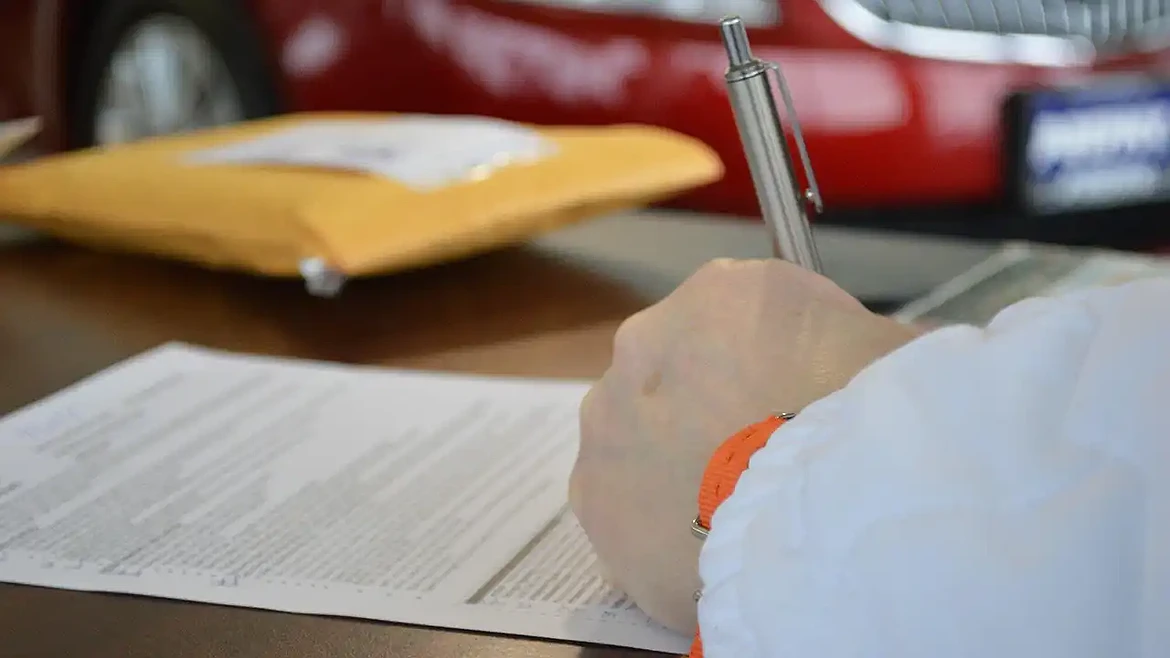
You can successfully pay off a title loan without the risk of losing your car by creating a clear repayment plan, negotiating with your lender, and exploring refinancing options if needed. Many borrowers fear repossession, but with the proper steps, you can protect your vehicle and regain financial stability.
If you're struggling with a title loan, you're not alone. Each year, more than 2 million Americans, about 1 percent of the adult population, turn to borrowing against their cars to access immediate funds (The Pew Charitable Trusts).
The good news is that you do not have to be trapped in that cycle. This article helps you explore key steps on how to repay a title loan and work toward financial freedom. Let's look at some tips to make this possible.
What Is a Title Loan?
Title loans can be secured against valuable assets with legal title, such as motorcycles, boats, or RVs. However, car title loans dominate the market because vehicles are the most widely owned and the easiest to value as collateral.
While it provides quick cash, the lender has the right to repossess your car if you fail to repay. Because interest rates are often much higher than those of traditional loans, the debt can escalate quickly. Understanding this risk is the first step in effective title loan management.
How Can You Create a Repayment Plan That Works?
The structure of these loans can make repayment challenging. Interest builds quickly, and some lenders require large lump sum payments rather than smaller monthly installments.
This can place pressure on a household budget that is already stretched thin. Here are some title loan financial tips to help you get started:
Warning Signs You May Be Falling Behind
In many cases, financial strain builds gradually. Spotting signs early can help you take action before the situation becomes serious. You may be at risk if:
- You are skipping essential bills to make loan payments.
- You are repeatedly renewing or extending the loan.
- Your balance is not going down even though you are paying regularly.
Small Changes That Can Free Up Money for Payments
A repayment plan works best when it is realistic. Even small adjustments can make extra room in your budget to direct toward your loan. Consider practical steps like:
- Cooking at home more often instead of buying meals.
- Pausing subscription services you rarely use.
- Selling items you no longer need.
- Taking on short-term extra work if possible.
Understanding Your Rights as a Borrower
Laws about title loans and repossession vary by state, but borrowers generally have certain protections. In some places, lenders must give notice before taking a vehicle.
Others require a waiting period that gives borrowers time to catch up on payments. You can protect yourself by:
- Careful reading of your loan agreement.
- Keeping copies of all payment records.
- Asking for written confirmation of any changes to your loan terms.
Replacing or Extending a Title Loan
Many people wait until they have already missed payments before reaching out for help. Acting sooner gives you options such as replacing the loan with a new one or asking the current lender to extend it.
Replacing the loan means taking out a new loan to pay off the title loan in full. Once that happens, the original lender no longer has a claim on the vehicle. You then repay the new loan under different terms, which may include a lower rate or smaller monthly payments, depending on approval.
Standard options include personal loans, credit union loans, and peer-to-peer lending, all with varying requirements based on:
- Income
- Credit history
- Lender policies
A renewal keeps the same loan active but gives you more time to pay it off. The remaining balance is moved into a new term, and extra interest and fees are usually added. This can help in the short term, but the total cost can increase if the loan is extended more than once.
What Role Does Debt Consolidation Play?
Debt consolidation combines multiple debts into a single, manageable payment. If you have other high-interest loans, consolidating them with the title loan can simplify repayment. This strategy improves cash flow and reduces the risk of default.
Speaking with a credit counselor can be a smart step. These professionals can review your income, expenses, and debts to help you find a workable plan. They may also help you communicate with lenders or explore structured debt management options.
Frequently Asked Questions
Are Title Loans Available for Vehicles That Are Not Fully Paid Off?
Most title lenders require a clear title, so vehicles with existing loans usually do not qualify. In rare cases, a lender may consider it if the current lienholder allows, but stricter terms often apply.
How Much Time Do You Have to Pay Back a Title Loan?
The time you have to pay off a car title loan depends on the lender, the loan agreement, and the laws in your state. Here is what borrowers can usually expect:
- 15 to 30 days is the most common term for traditional title loans.
- Some lenders offer installment plans that run from 3 to 12 months.
- In certain cases, longer terms may be available if the loan is structured more like a personal loan.
What Happens After the Loan Is Paid Off?
Once the balance is fully cleared, the lender should release the lien on your vehicle. It means the title returns to you without any claim against it. Make sure you receive the proper documentation and store it safely.
Afterward, it can help to rebuild savings, even if you start small. Setting aside money can reduce the need for future emergency borrowing and create a stronger financial safety net.
Does Paying off a Title Loan Improve Your Credit Score?
Yes. Timely repayment means avoiding title loan repossession and demonstrates financial responsibility, which can positively impact your credit history.
Staying Committed as You Pay Off a Title Loan
You can pay off a title loan by creating and sticking to a clear plan. Doing this protects your car, manages interest, and avoids unnecessary fees. Staying disciplined and using available resources can put you on a path to financial stability and prevent future borrowing stress.
For more information on personal finance, budgeting, and money management, visit our website for helpful tips and resources.
This article was prepared by an independent contributor and helps us continue to deliver quality news and information.