
Intermodal terminal gets freight where it needs to go, supports Eastern WA economy
CHERYL SCHWEIZER | Hagadone News Network | UPDATED 11 hours, 12 minutes AGO
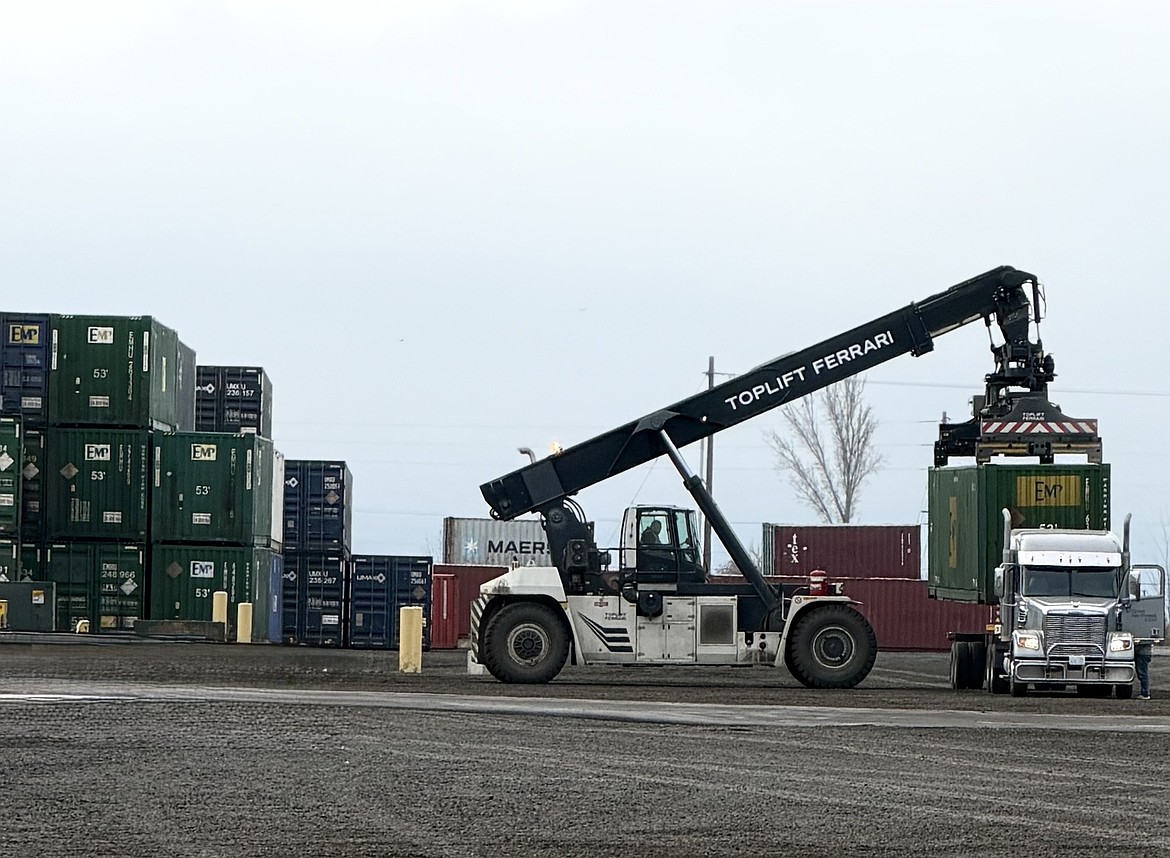
A container is loaded on a truck at Tri-Cities Intermodal near Kennewick. An intermodal port offers multiple types of transport, which may include river barges, 18-wheelers, aircraft and trains.
BONNIE GRACE-STANSELL/COLUMBIA BASIN HERALD
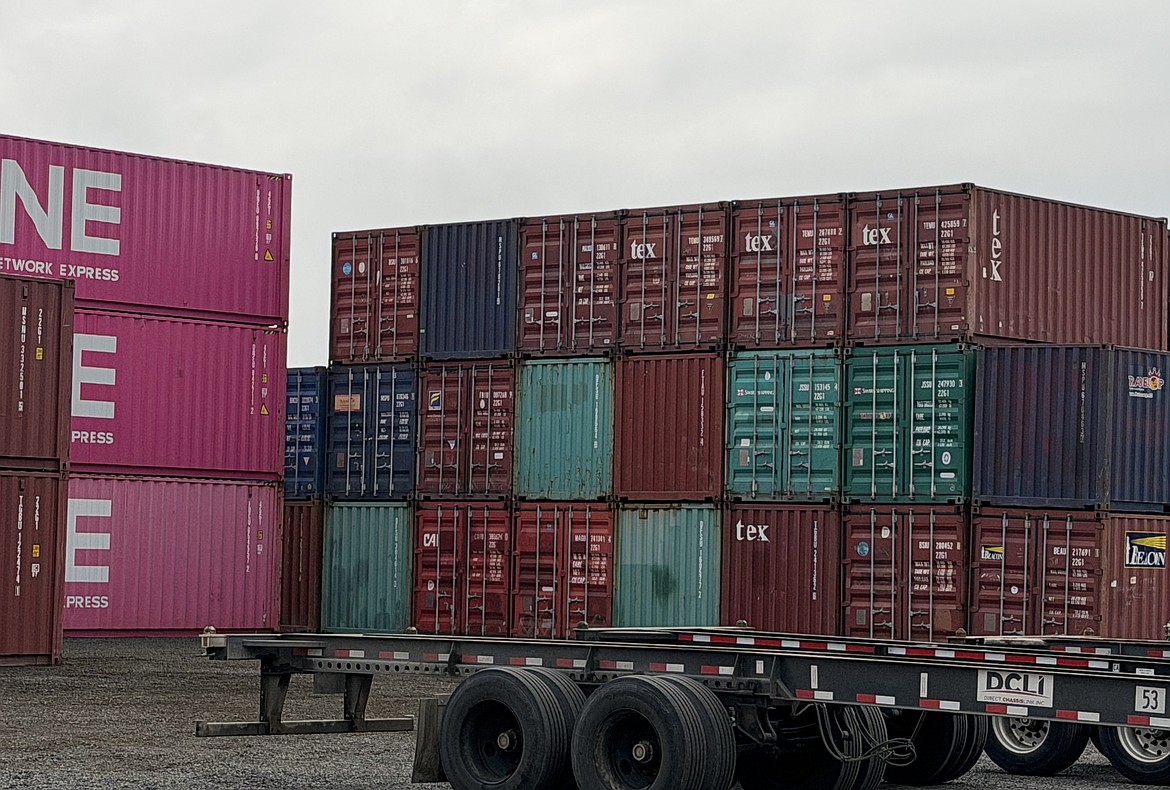
Containers are stacked in the yard at Tri-Cities Intermodal. Cargo moved through the facility could include anything from crops to electronics to clothing.
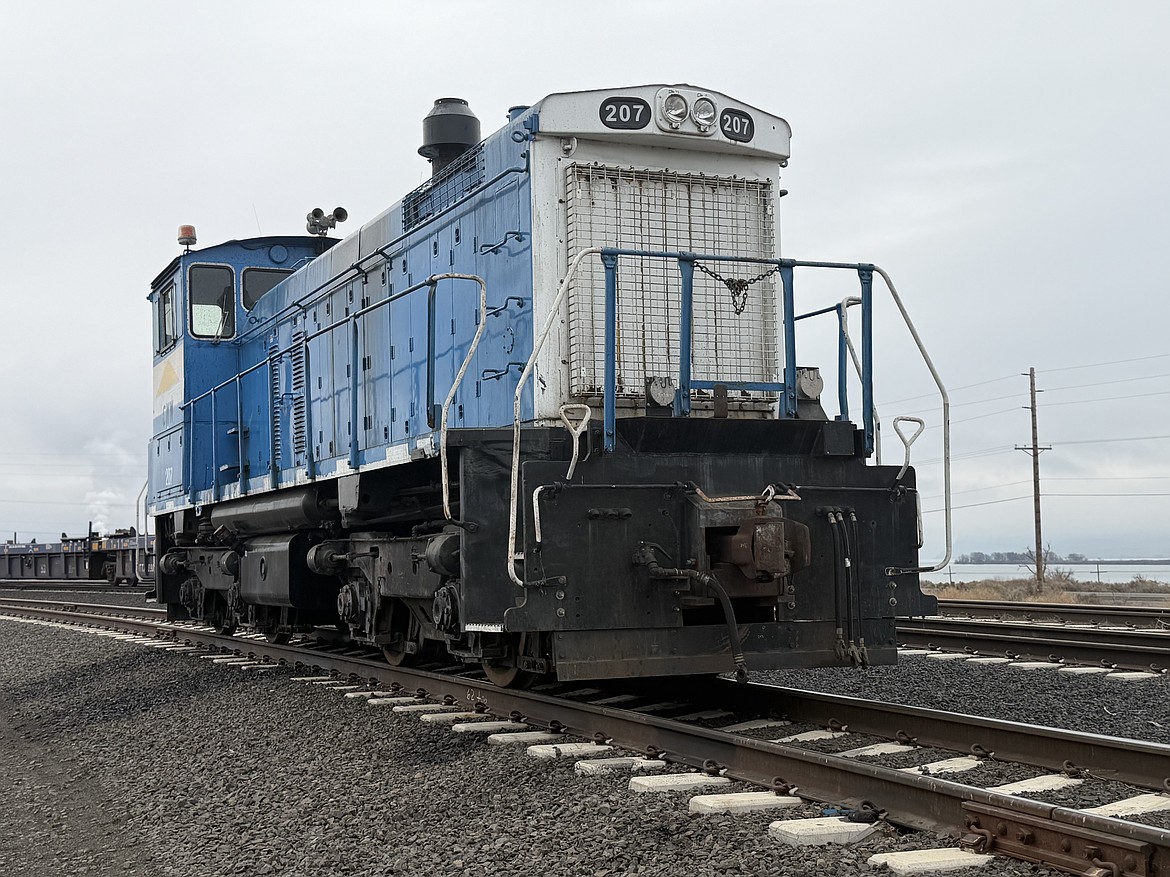
Trains help move products across the country with minimal impact to traffic, making them an important part of intermodal transportation.
Senior Reporter Cheryl Schweizer is a journalist with more than 30 years of experience serving small communities in the Pacific Northwest. She began her post-high-school education at Treasure Valley Community College and enerned her journalism degree at Oregon State University. After working for multiple publications, she has settled down at the Columbia Basin Herald and has been a staple of the newsroom for more than a decade. Schweizer’s dedication to her communities and profession has earned her the nickname “The Baroness of Bylines.” She covers a variety of beats including health, business and various municipalities. | February 12, 2026 3:30 AM
KENNEWICK — By definition, freight is something – goods of whatever kind, from fresh produce to sound system components – that is moved in bulk on trains, trucks, ships or aircraft. Teri Zimmerman, vice president for sales and marketing at Tri-City Intermodal in Kennewick, said the company’s role in the freight business is connecting different methods of transportation to move freight. Which sounds simple enough.
“The definition of intermodal is, involving two or more modes of transportation. Truck to rail are the two modes (at) our intermodal site. It’s just involving multi-modes. So it's fairly simple, but it's very complex at the same time,” Zimmerman said.
Tri-Cities Intermodal and other intermodal businesses give their customers flexibility, she said, to choose how they get their freight from one place to another.
“It goes both directions, and it actually goes all across the whole nation from our facility. We can pick up empty containers from the port (at Seattle or Tacoma) and bring them to our facility by rail,” she said. “Trucks pick them up, take them for loading, then bring them back. Then they go on rail.”
Alternatively, trains bring freight in shipping containers to the Tri-Cities Intermodal facility, where they’re loaded on trucks. Trucks take the filled containers to their destination, unload them and bring back the empty containers.
“It definitely goes both directions. We also have the option of going to the east to Chicago and then anywhere in the nation from there,” she said.
The variety of cargo is almost infinite.
“Anything that can go into a container is what we transport,” she said.
Agriculture is an important component of the Tri-Cities economy, and many farm operations from south central Washington, north central Oregon and central and southern Idaho use the company to transport their products, she said.
“We also have a lot of distribution centers who are bringing products in containers through our facility, import as well as export,” Zimmerman said.
The facility has been doing business as Tri-Cities Intermodal for about two years, she said, but under other owners has been in business about 20 years. Founder and Chief Executive Officer Ted Prince had experience in intermodal transport that allowed him to expand the options available to customers. Prince worked for a couple of decades with ocean shippers, she said.
“We have seven ocean carriers that are partnering with us at our site,” Zimmerman said. “We have a depot, and we’re able to hold empty containers at our facility and for their shippers to pick up and use. It’s about partnerships and having lots of pieces of the pie to make the whole pie.”
While trucks, trains and ships get the containers where they need to go, it’s the container that’s the foundation.
“We take the container off the rail, and then it goes on to a truck. That's on an import. Then it's taken to the facility to unload it from that container, and then the empty container is brought back to us, and we use it for export,” Zimmerman said. “It creates a nice circle of life for that export or import container, and it's a very efficient use.”
While it might look like moving from train to truck, or vice versa, adds an extra layer, having more customer options actually can speed up the process, she said.
“A lot of times, the terminals at Seattle and Tacoma at the ports are only open four days a week. And many times, there are four-hour-plus wait times at those terminals if there's congestion. By easing up the pressure on those truck gates, by moving part of that product by rail, it makes it more efficient for the whole industry,” Zimmerman said.
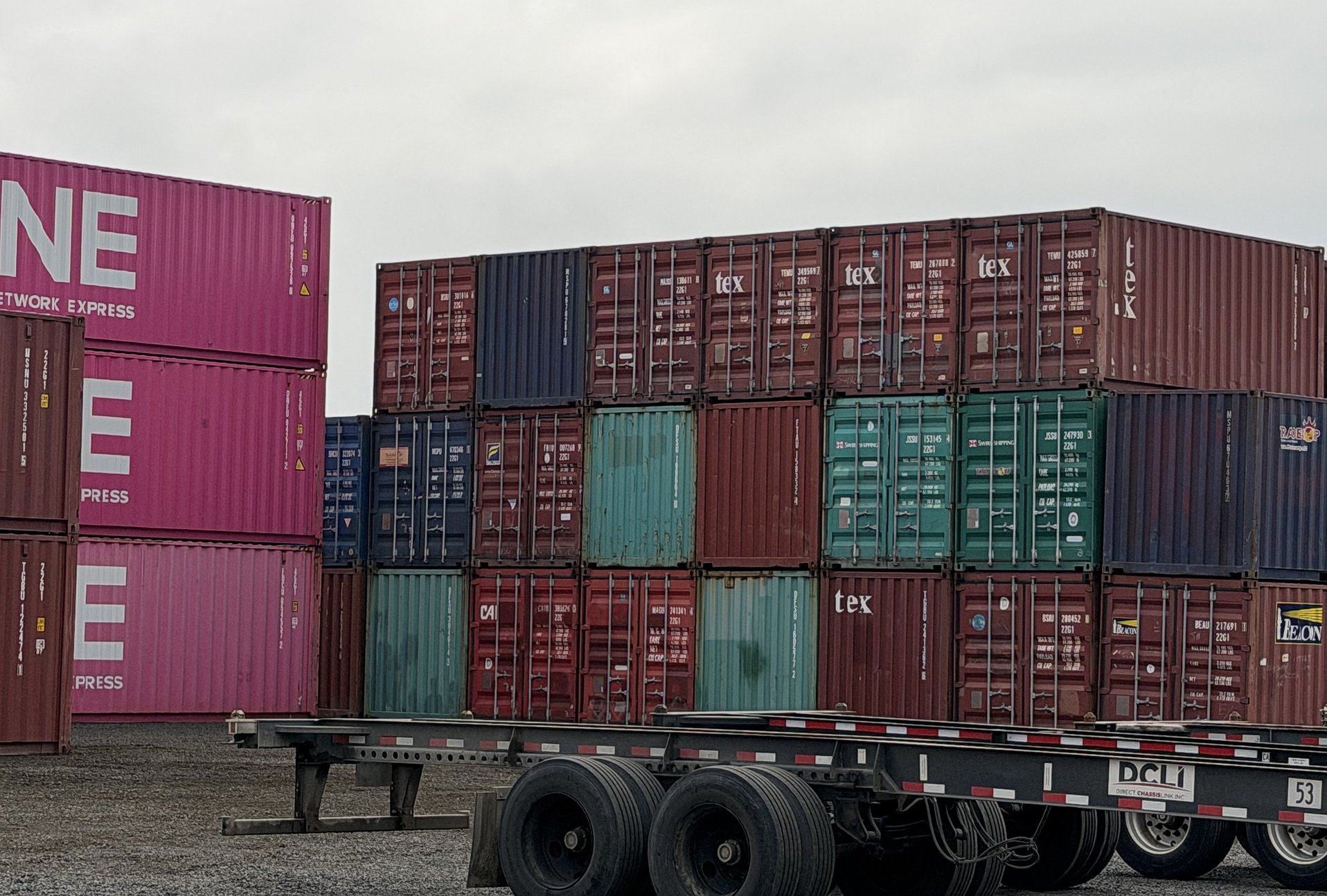 Containers are stacked in the yard at Tri-Cities Intermodal. Cargo moved through the facility could include anything from crops to electronics to clothing.
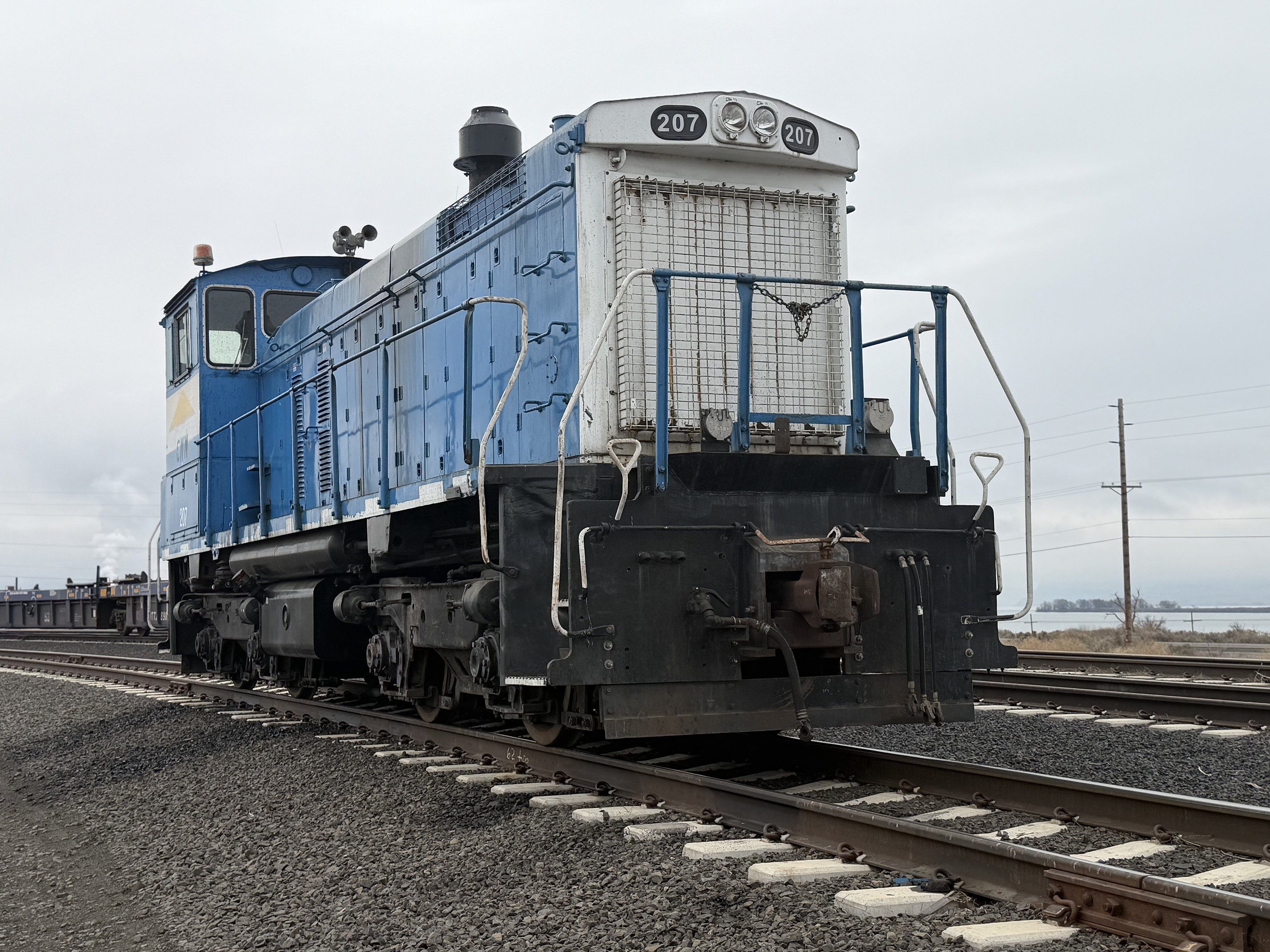 Trains help move products across the country with minimal impact to traffic, making them an important part of intermodal transportation.
ARTICLES BY CHERYL SCHWEIZER
Moses Lake residents asked to weigh in on financial priorities
MOSES LAKE — With the Moses Lake City Council working on a financial plan that will require what council member Jeremy Davis said will be hard decisions, city officials want to hear which services residents think are the most important.

Adams, S. Grant Co. EP&O levy requests being approved
EPHRATA — Educational and operations levy requests in three Grant County are still winning approval by substantial margins in three local school districts in updated election results released Wednesday.
Feb. 10 initial election results
EPHRATA — Voters were asked to approve or reject educational programs and operations levy requests from a number of Grant and Adams county school districts in Tuesday’s special election. Voters in the Ephrata School District and East Adams Rural Healthcare decided the fate of specific proposals. Unofficial results released Tuesday night are listed below with additional votes coming in via mail over the next few days. Mailed-in ballots must have been postmarked by Feb. 10, 2026 to be counted.