
The one about the value of friendship
HARVEY MACKAY | Coeur d'Alene Press | UPDATED 1 day, 5 hours AGO
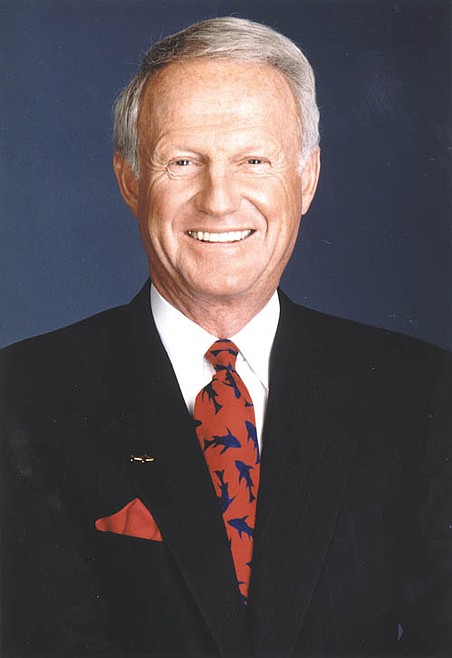
Harvey Mackay
In a small village, a farmer planned a big feast to get to know his neighbors. He gathered food, lit his grill and told his daughter, “Go around and invite all our neighbors to come over and join us!”
Instead of announcing a feast, his daughter went down the street and shouted, “Help! Help! There’s a fire at our house! Please come and help us put it out!”
One by one, a handful of people opened their doors and came out ready to help. The rest of the neighborhood ignored her plea.
She brought the helpful neighbors home and explained that there was no fire, just a feast that her father wanted to share. The neighbors ate and drank until late in the night and went home thanking the farmer for his generosity.
After they left, the farmer asked, “Who were those people? I barely recognized any of them.”
The daughter smiled and said, “Those are the people who were willing to come to your aid when you needed help. They are your true friends.”
How many good friends do you have like this? Good friends are like toothpaste. They come through in a tight squeeze.
I heard this quote from my good friend Muhammad Ali: “Friendship is the hardest thing in the world to explain. It’s not something you learn in school. But if you haven’t learned the meaning of friendship, you really haven’t learned anything.”
Friendship is so important that we celebrate it several times during the year. February is International Friendship Month, and Old Friends, New Friends Week is the third week of May. Congress declared a U.S. holiday in honor of friends by a proclamation in 1935. Since then, Friendship Day is celebrated every year on the first Sunday of August. And September is Friendship Month.
Aristotle viewed friendship among the highest virtues. It was an essential element in a full, virtuous and worthwhile life. He identified three kinds of friendship:
• Friendship of pleasure: Two people are wonderfully happy in each other’s company.
• Friendship of utility: Two people assist one another in everyday aspects of life.
• Friendship of virtue: Two people mutually admire one another and will be on best behavior in order not to jeopardize their relationship.
We need all three kinds of friends. Chances are we have some in each category, as well as friends who meet all the criteria.
I have friends whom I’ve known since I was a little boy, friends from college, friends who started out as business contacts, golfing friends, friends who share my passion for community service and friends I met last week. And they all have one thing in common: We like each other for what we are, not what we want each other to be. Friendship is a responsibility — not an opportunity.
If you value your relationships with friends, you need to work to maintain them. Take a few cues from your job for evaluating your priorities and scheduling your activities. These “friendships of pleasure” are worth all the effort you put into them. If you make friendship a habit, you will always have friends.
Time management is just as important for friendships as for your business schedule. Keep all your commitments with family and friends on one calendar, planner or smartphone so nothing falls through the cracks. This is especially important for friendships of utility. Being available when your friends need you, or when you need help, demonstrates that you are reliable and understand that the relationship is a two-way street.
Spend some time planning your personal time. Review your schedule so you are prepared for your most important activities. Honor your plans. When you must choose between events, decide which is more in line with your mission, values and goals.
Friendships of virtue are both sturdy and fragile. These friends are willing to cut you some slack if you are having a bad day. And in order to maintain that good relationship, you will return that favor.
One of the best books I’ve ever read and learned valuable lessons from is Dale Carnegie’s “How to Win Friends and Influence People.” His advice is so helpful that I have made it a practice to reread this book every few years. Carnegie wrote: “You can make more friends in two months by becoming interested in other people than you can in two years by trying to get other people interested in you.” Truer words were never spoken.
Mackay’s Moral: A friend in need is a friend indeed.
• • •
Harvey Mackay is the author of the New York Times bestseller "Swim With the Sharks Without Being Eaten Alive." He can be reached through his website, www.harveymackay.com, by emailing [email protected] or by writing him at MackayMitchell Envelope Co., 2100 Elm St. SE, Minneapolis, MN 55414.