
Discover the latest breakthroughs in cancer treatment
Dax Janel Valencia | Bonner County Daily Bee | UPDATED 9 months AGO
From drugs like datopotamab deruxtecan and trastuzumab deruxtecan receiving approval from the U.S. Food and Drug Administration (FDA) for breast cancer to more innovative chemotherapy delivery methods, these are among the most recent cancer treatment breakthroughs.
New technologies are also helping medical professionals visualize cancer lesions better. There's the new tumor-painting agent called Cytalux, for instance.
Thanks to these latest cancer therapies and treatment innovations, more people are beating their disease. Indeed, the American Cancer Society points out that seven in ten people now survive cancer for five years or more. In the mid '70s, only half of those diagnosed survived.
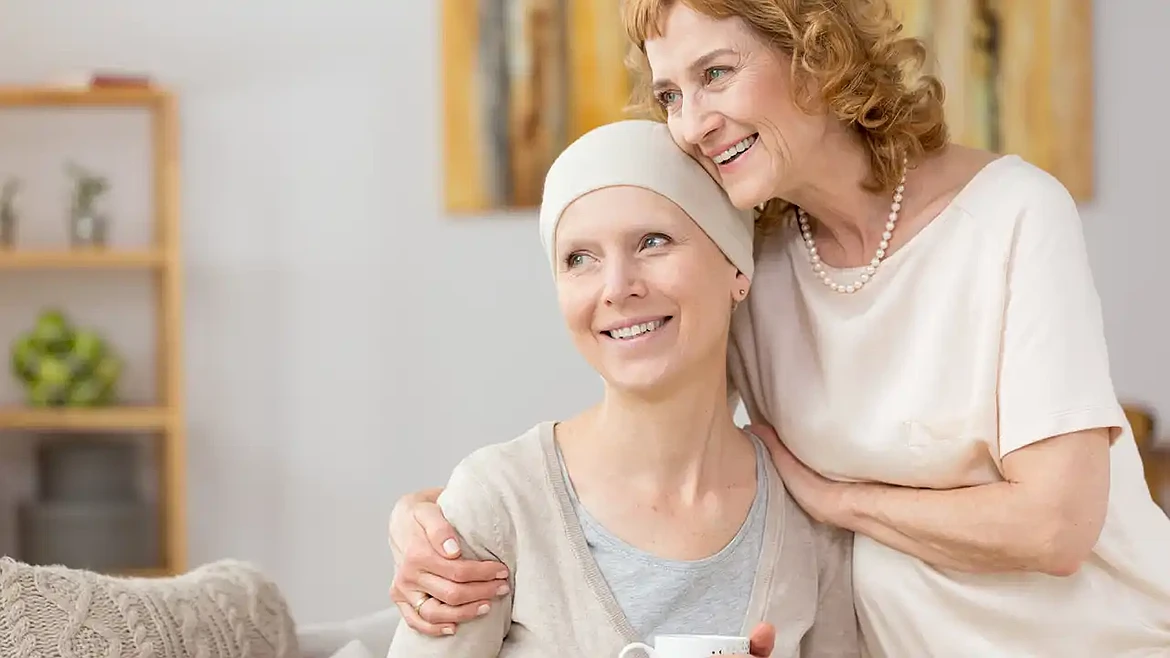
If you or someone you care about has cancer, learning more about these breakthroughs and improvements in cancer treatment options can give you renewed hope and help you make more informed decisions regarding care and outlook.
What Are the Top Treatments for Cancer?
Surgery, chemotherapy, and radiation therapy remain the "top" cancer treatment options, as they're the fundamental or core procedures known to treat, even cure these diseases. They provide the most established methods proven to be effective for a wide range of cancer types.
However, several advanced cancer therapies, from new drugs to immunotherapy and innovations in imaging technology, are providing patients and families with a more positive outlook.
What Is the New Cancer Treatment Breakthrough?
There are several breakthroughs in innovative cancer treatments, such as newly approved drugs and novel treatment delivery methods. There are also advancements in imaging, allowing specialists to have a better insight into the extent or severity of the disease.
Datopotamab Deruxtecan: Improving Rates of Progression-Free Survival
Datopotamab deruxtecan is a type of antibody-drug conjugate (ADC) that targets the protein known as "trophoblast cell surface antigen 2" (TROP2). TROP2, as a receptor, signals cells to grow, self-renew, and divide.
Normal, healthy tissues express TROP2 at low levels. Many solid tumors, however, including lung, breast, and pancreatic cancers, overexpress this protein. Because of this, TROP2 is a primary biomarker of cancer and is a target for therapies like ADCs.
Datopotamab deruxtecan received approval from the FDA in January 2025 for HR-positive/HER2-negative breast cancer in the metastatic stage. According to the American Journal of Managed Care (AJMC), the drug has shown improved response and progression-free survival rates in patients.
Trastuzumab Deruxtecan: Reducing the Risk of Disease Progression
Trastuzumab deruxtecan (T-DXd) is another type of ADC. It first received an initial accelerated approval from the FDA in 2019, specifically for HER2-positive metastatic breast cancer. It has since obtained subsequent approvals, with two of the most recent ones in January and December 2025.
In January 2025, T-DXd gained FDA approval as a treatment for:
- HR-positive breast cancer
- HER2-low breast cancer
- HER2-ultralow breast cancer
The approval is a result of the findings of the phase 3 DESTINY-Breast06 trial. According to a study published in PubMed Central, the researchers found T-DXd to have demonstrated superior efficacy compared to chemotherapy. It also improved progression-free survival.
In December 2025, T-DXd gained another FDA approval, this time for its use in combination with pertuzumab as a first-line treatment for HER2-positive metastatic breast cancer.
Innovative Delivery Methods
Innovative cancer treatments have also taken the form of novel delivery methods, such as acoustic cluster therapy (ACT).
ACT involves the use of microscopic bubbles to deliver chemotherapy drugs directly into tumors. It's currently under research and trial, but preliminary findings suggest that it can significantly improve the effects of chemotherapy.
According to an article published in CURE magazine (CureToday.com), the combination of ACT with chemotherapy demonstrated a 29% reduction in the diameter of tumors in colorectal liver metastases. Conversely, chemotherapy alone only resulted in a 7% reduction.
Novel Imaging Agents
In the field of medicine, the term "novel" refers to newly developed drugs, therapies, or treatments.
Novel imaging agents are helping oncology care providers and patients in better understanding various types of cancer and visualizing tumors. From fluorescent imaging agents like Cytalux to breakthroughs in near-infrared (NIR) dyes and targeted radiopeptides, these innovations enable the:
- Real-time visualization of tumors
- Differentiation between healthy and cancerous tissues
- More precise diagnoses of cancer stages
Cancer-Free Results With Immunotherapy Advancements
Immunotherapy isn't a recent breakthrough in cancer treatment, having received its first checkpoint approval in 2011.
However, advancements in this treatment have demonstrated even more positive results for cancer patients. An example is being cancer-free without undergoing conventional surgery, chemotherapy, or radiation therapy.
As reported by Stand Up to Cancer, for instance, a recent study found that 80% of trial participants no longer required standard treatments after receiving immunotherapy alone for six months.
Frequently Asked Questions
Which Cancers Are Easiest to Treat?
Cancers with high five-year survival rates are often the easiest to treat, and in some cases, even curable. Examples include thyroid cancer, prostate cancer, and testicular cancer. Early-stage breast and skin cancers are also treatable.
The chances of surviving cancer and the body responding well to treatment often depend on the extent (stage) of the disease. If caught at their earliest stages, they're typically highly treatable or curable.
How Do You Increase Your Chances of Surviving Cancer?
One of the most effective ways to increase your chances of surviving cancer is detecting the disease early.
Cancer screening can save lives because it can find diseases early, when they're still small, localized, and haven't spread to other parts of the body. Their early detection then allows for prompt treatment, usually with less invasive methods.
Adhering to cancer treatment plans is just as crucial. Your adherence helps maximize the effectiveness of the treatment and prevents or slows the disease's progression. Ultimately, adherence can make or break survival rates.
Adopting a healthy lifestyle can also help. Engaging in regular physical activity and eating a well-balanced diet can, for instance, help improve your immune system health. As the U.S. CDC points out, the immune system fights many diseases and illnesses, from flu to cancer.
Cancer Treatment Breakthroughs Bring New Hope to Patients
Thanks to cancer treatment breakthroughs like drugs that improve survival, better delivery methods, and enhanced imaging agents, people with cancer (and their families) can have renewed hope. With these innovations, patients have more tools that can help them beat their disease.
Find other top stories and insights into health, lifestyle, and current events by exploring more of our news platform.
This article was prepared by an independent contributor which helps us continue delivering quality content to our audiences.