
How to find the right parts for exceptional restoration work
April D. Lee | Bonner County Daily Bee | UPDATED 9 months AGO
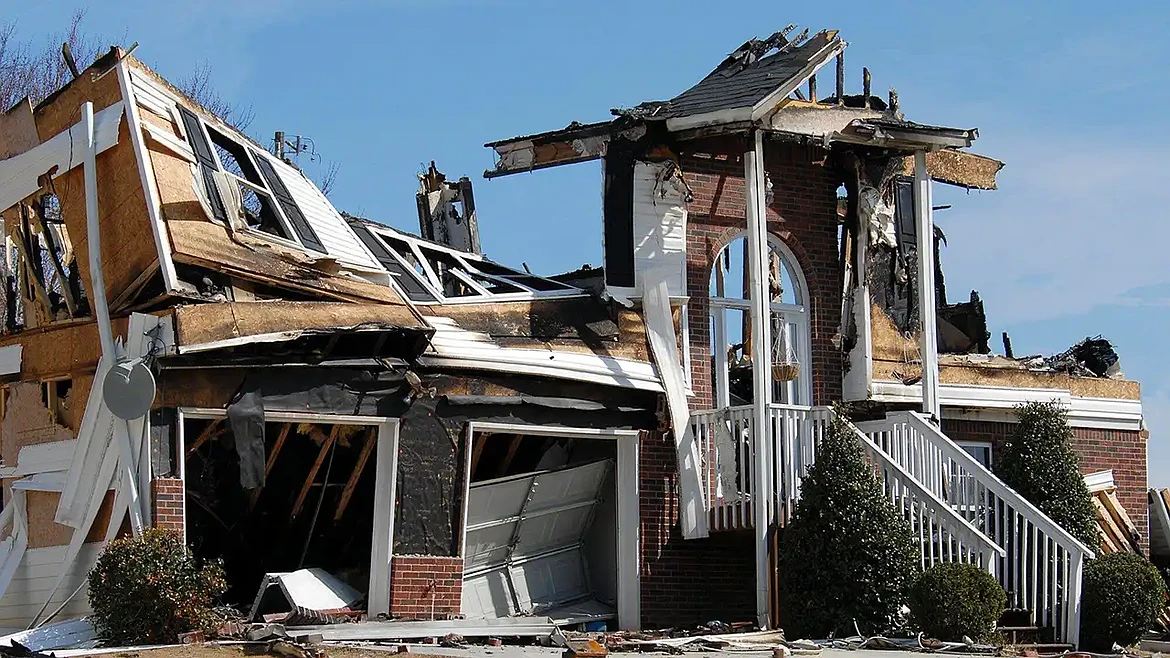
Restoration professionals succeed when they understand materials, track original specifications, and apply time-tested restoration methods. Great restoration expertise and reliable insights yield consistent results. The wisely-sourced and well-researched project has a greater likelihood of success.
One wrong part can undo months of hard work. In professional restoration work, precision begins with finding components that match original specifications in form, function, and material. Every bolt and fitting contributes to durability and accuracy.
The demand for vintage cars, antique furniture, historic buildings, and industrial equipment is booming. Property owners want durable, long-lasting restorations that protect their investment while preserving authenticity. Professionals who excel at finding parts that fit gain a solid advantage in a competitive restoration market.
Finding the right components takes disciplined research and building strong relationships with suppliers. A specialist who streamlines this process can complete projects more quickly and with less rework, achieving a consistent level of quality every time.
What Are the Best Sources for Authentic Restoration Parts?
Authentic parts come first in successful restoration work. Original-style parts will not compromise design integrity or functionality.
Reliable sources include:
- Specialty restoration suppliers
- Historical hardware manufacturers
- Salvage yards and dismantlers
- Certified reproduction vendors
- Trade associations and restoration networks
Specialty suppliers have many parts made to the original specifications. Salvage yards have hard-to-find parts that can't be replicated. Certified reproductions fill the gap when authentic parts fail to exist.
Documentation helps in sourcing decisions. Catalogs, drawings, and factory manuals contain critical information about compatibility. Professional restorers respect this data to avoid mismatches.
How Can You Tell If Restoration Parts Are High Quality?
Quality determines durability and safety. Poorly made parts weaken structural integrity and increase long-term maintenance costs.
High-quality parts share common traits:
- Accurate dimensions
- Correct material composition
- Consistent finishes
- Verified manufacturing standards
- Proven performance history
Material testing provides valuable insights. Steel grades, wood species, and coating types affect performance. Inspection under magnification reveals machining flaws, cracks, or surface defects.
Professional suppliers provide certifications and warranties. These documents demonstrate compliance with industry standards and production controls.
Understanding Historical Specifications and Measurements
Accurate measurements protect design integrity. Minor variations alter alignment, load distribution, and aesthetics.
Historical references include:
- Original blueprints
- Factory service manuals
- Patent drawings
- Museum archives
- Restoration journals
Digital calipers and laser scanners improve measurement accuracy. Technicians use these tools to reproduce obsolete components. Documentation ensures repeatability across large projects.
Understanding tolerances remains critical. Early manufacturing processes allowed wider margins. Modern machining requires adjustments to maintain functional compatibility.
The Role of Material Selection in the Art of Restoration
Material choice influences strength, appearance, and aging behavior. Incorrect materials compromise authenticity and longevity.
Common restoration materials include:
- Cast iron
- Carbon steel
- Brass alloys
- Hardwood species
- Period-correct composites
Metallurgical analysis identifies alloy composition. Wood grain studies confirm species and harvest regions. These practices support historical accuracy.
Environmental exposure also matters. Outdoor restorations require corrosion resistance. Indoor projects prioritize finish stability and color retention.
Building Supplier Relationships for Long-Term Success
Reliable sourcing depends on trusted partnerships. Established suppliers provide consistent quality and technical guidance.
Strong relationships deliver advantages:
- Early access to limited inventory
- Custom fabrication options
- Technical documentation
- Priority fulfillment
- Pricing stability
Experienced suppliers understand restoration challenges. Their recommendations reduce trial-and-error delays. Professional communication strengthens collaboration.
Applying Modern Tools to Traditional Restoration Techniques
Technology enhances precision without replacing craftsmanship. Digital modeling supports complex reconstructions.
Modern tools include:
- 3D scanning systems
- CNC machining
- CAD software
- Spectral material analyzers
- Surface profilometers
These tools complement traditional hand-finishing. Blending technology with heritage methods preserves authenticity while improving efficiency.
Avoiding Common Mistakes in Parts Selection
Errors increase project costs and timelines. Careful planning minimizes setbacks.
Common mistakes include:
- Ignoring dimensional tolerances
- Mixing incompatible materials
- Overlooking load ratings
- Choosing cosmetic over structural accuracy
- Skipping supplier verification
Every component influences system performance. Professionals evaluate parts within the complete assembly context.
Strategic Purchasing for Cost Control and Consistency
Budget management supports project sustainability. Strategic sourcing balances quality and cost.
Best practices include:
- Bulk purchasing standardized hardware
- Comparing supplier lead times
- Tracking historical pricing
- Verifying batch consistency
- Maintaining approved vendor lists
Many professionals reference specialty hardware providers when searching for period-correct fasteners. Collectors restoring early machinery often buy square head bolts here to maintain historical accuracy and structural reliability.
Documentation and Traceability in Restoration Projects
Records protect quality standards. Traceability simplifies future maintenance and audits.
Effective documentation includes:
- Supplier invoices
- Material certificates
- Installation records
- Inspection reports
- Revision histories
Digital archives improve accessibility. Cloud-based systems enable team collaboration across locations.
Frequently Asked Questions
How Long Does It Usually Take to Source Rare Restoration Parts?
Sourcing rare parts depends on production volume, historical demand, and supplier networks. Some components remain available through specialized manufacturers. Others require extended searches through:
- Collectors
- Auction platforms
- International distributors
Complex projects may require custom fabrication when original patterns no longer exist. Lead times can range from weeks to several months.
Planning early reduces schedule risks. Establishing relationships with niche suppliers can shorten sourcing timelines.
Should Restorers Prioritize Original Parts or High-Quality Reproductions?
Original parts offer unmatched authenticity and historical value. However, availability and condition often limit their use.
High-quality reproductions provide consistency, safety, and compliance with modern standards. Professionals evaluate each situation based on:
- Visibility
- Load requirements
- Long-term reliability
Balanced use of originals and reproductions supports both preservation and performance. Careful documentation helps justify these decisions for future owners and inspectors.
How Can Beginners Improve Their Restoration Sourcing Skills?
Beginners benefit from mentorship, trade publications, and supplier training programs. Visiting restoration workshops builds practical knowledge. Maintaining detailed project logs helps track successful vendors and materials.
Participation in professional associations expands access to shared expertise. Continuous learning strengthens sourcing confidence over time. Hands-on experience remains the most effective way to refine sourcing judgment.
Take the Next Step Toward Better Restoration Work
Achieving exceptional restoration work requires discipline, research, and reliable sourcing strategies. Professionals who invest in supplier relationships, documentation, and material analysis protect project integrity. Each informed purchasing decision strengthens long-term results.
Continue exploring our website for additional technical resources and expert perspectives. Discover more practical guides, industry insights, and professional articles to continue refining your restoration approach.
This article was prepared by an independent contributor which helps us continue delivering quality content to our audiences.