
A focus 'lost' rare and heritage apples
CHRIS BESSLER / Contributing Writer | Bonners Ferry Herald | UPDATED 1 week, 4 days AGO
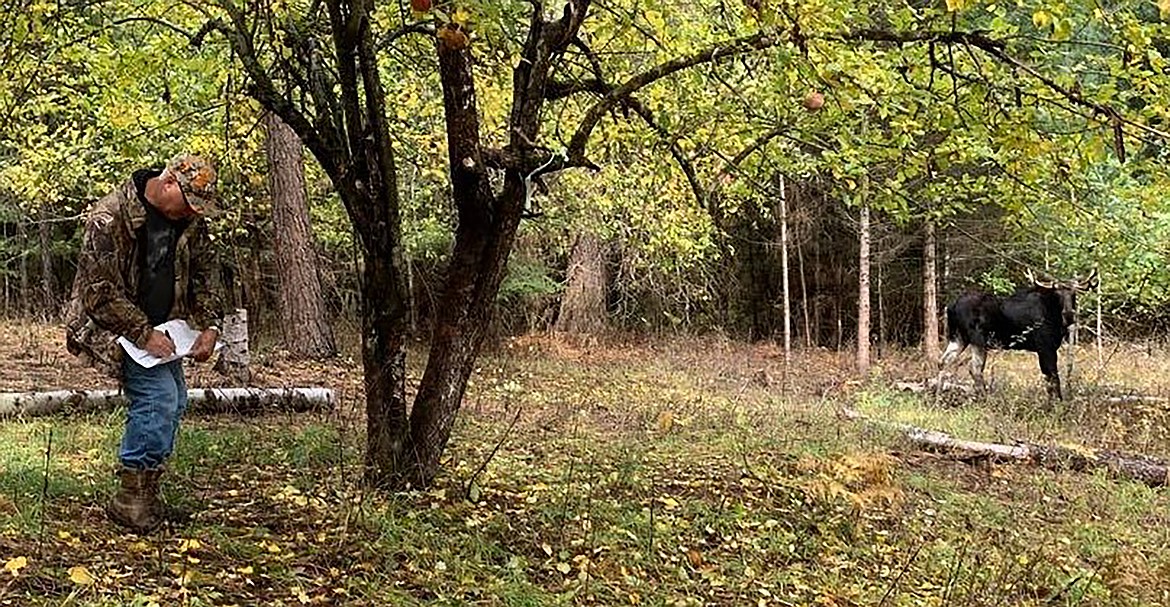
David Benscoter is pictured near a potential lost apple variety during a recent expedition.
Courtesy photo

David Benscoter, pictured above, will be speaking at the Sandpoint Library about lost apples and how area residents can get involved to track down lost varieties.
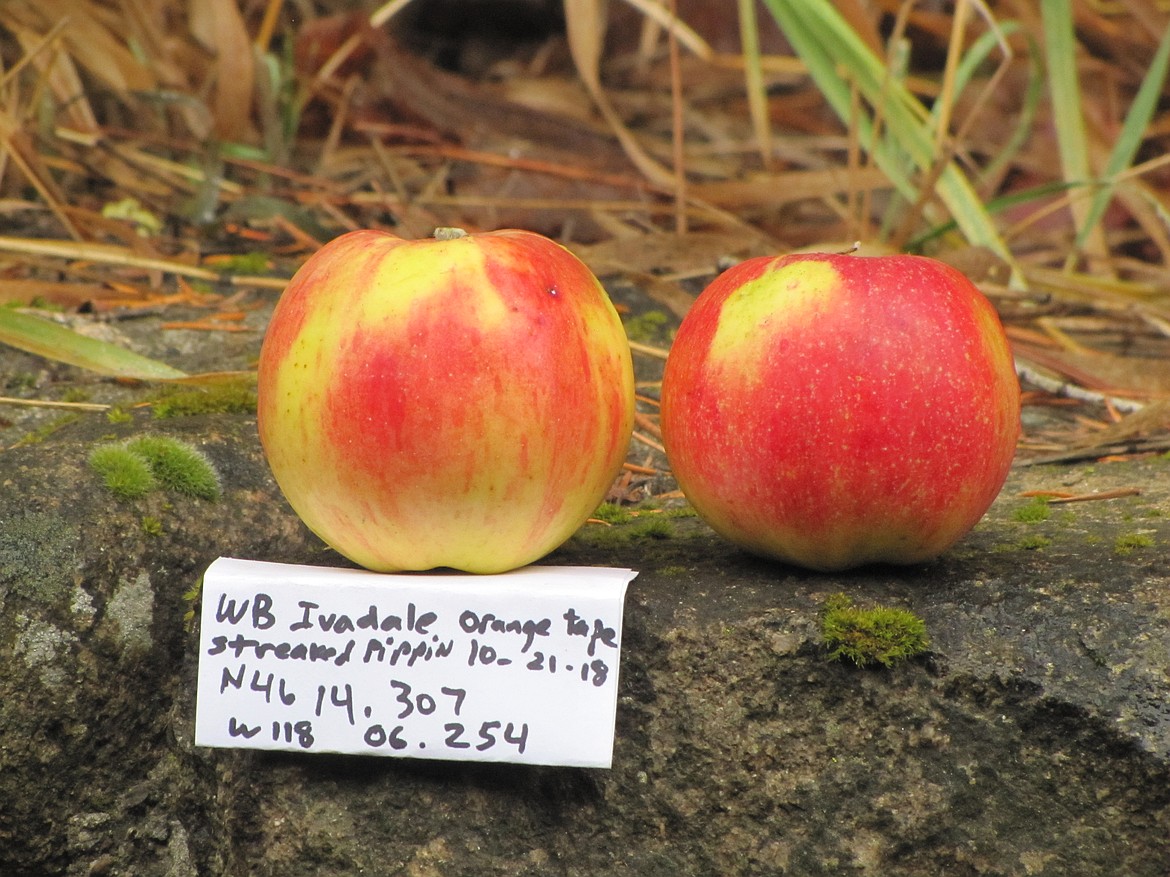
A pair of Streaked Pippen apples, a previous lost variety discovered through the efforts of David Benscoter and the Lost Apple Project.
Have you ever spotted an old apple tree in a seemingly random place and wondered how it got there — and what those apples might taste like?
It just might have quite a story, and just possibly a rare but endangered taste.
As a matter of the historic record of our region, there are literally thousands of different varieties of apples that have been grown here, brought by early settlers from the late 1800s through the first decades of the 1900s.
Today, most of those varieties of heritage apples are already gone or now going extinct — and a nonprofit organization called the Lost Apple Project is racing to save those that might still survive on old and abandoned homesteads and nurseries.
Local residents will have a chance to learn about the fascinating history of these “lost apples,” and the effort to save disappearing varieties, when Lost Apple Project founder David Benscoter gives a free presentation at the East Bonner County Library, 1400 Oak St. The talk is Saturday, March 7, at 3 p.m. in the library community room.
Benscoter is author of the book “Lost Apples: The Search for Rare and Heritage Apples in the Pacific Northwest,” published by Keokee Books of Sandpoint. Along with publication of the book, there is a supporting website that invites people to find information and submit reports of possible old heritage trees at lostapples.wiki.
Benscoter’s March 7 talk will focus on how homesteading in the Northwest resulted in the planting of hundreds of different apple varieties, also called cultivars. “I hope people will learn how vital apples were for the survival of early homesteaders,” he said. “Some nurseries in those settlement days carried over 200 different apples.”
But as the modern era arrived, by 1950 dozens of these trees were considered lost or extinct.
The goal of the program and website are the same — to find and save the "lost apples" in the region.
If they do, the lostapples.wiki website has an apple submission form to provide basic details of the tree that Benscoter or project members can follow up on. The website was built on the "wiki" domain to underscore that contributions from the public are encouraged.
As the Lost Apples book relates, an astonishing number of apple varieties were developed and cultivated in North America, beginning with the first colonists in the 1600s. As they brought apples from Europe and developed new unique ones, by the early 1900s an estimated 17,000 named varieties of apples were grown in the U.S.
Although Benscoter travels throughout the Inland Northwest in his quest to find old heritage trees, his talk will include information on the search for lost apples right here in the Sandpoint area.
“We’re looking at some apples that may be lost, and we hope for continued community support to let us know where old trees are hiding,” he said.
Information: lostapples.wiki
 David Benscoter, pictured above, will be speaking at the Sandpoint Library about lost apples and how area residents can get involved to track down lost varieties.
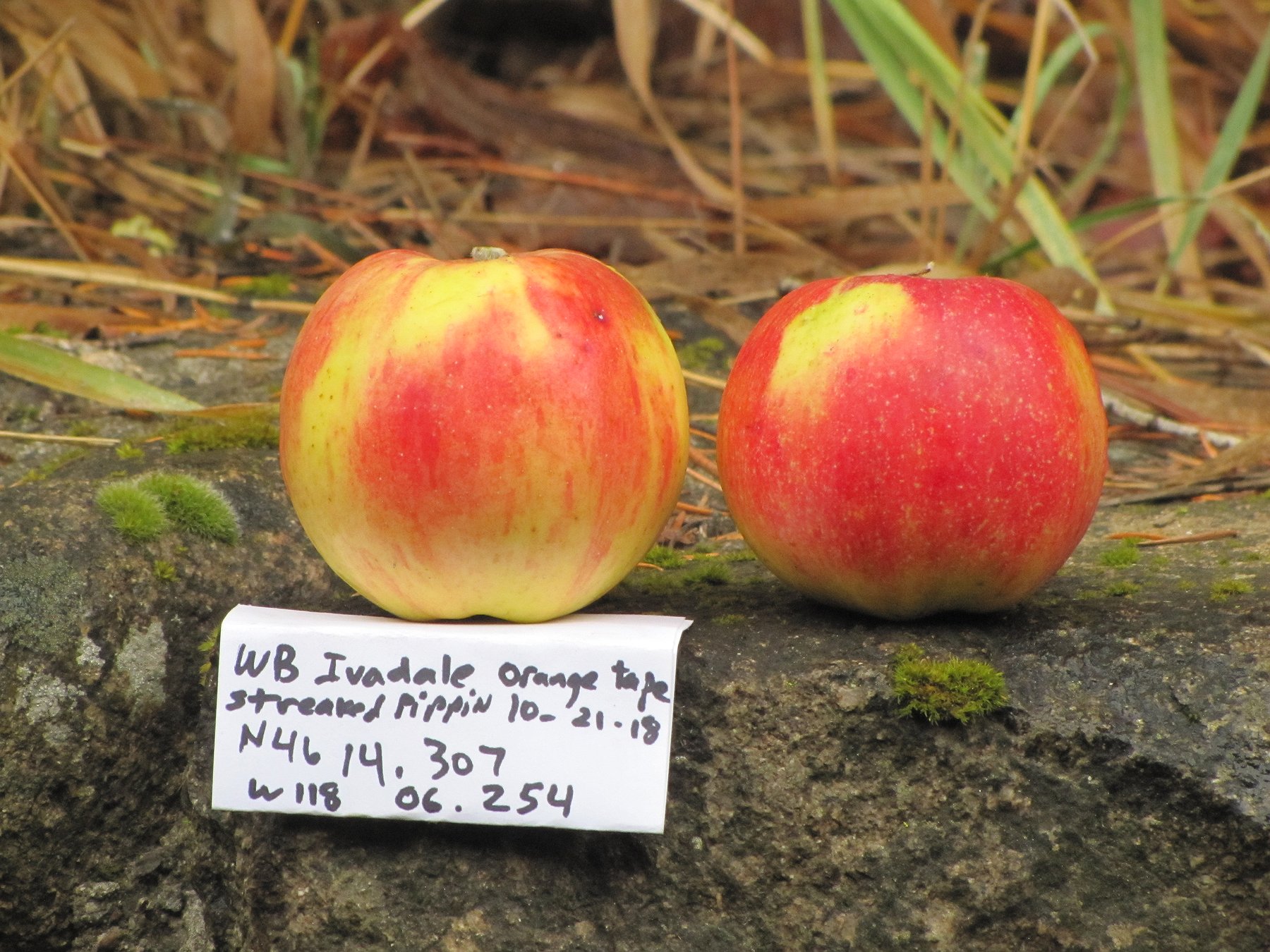 A pair of Streaked Pippen apples, a previous lost variety discovered through the efforts of David Benscoter and the Lost Apple Project.