
Weather, farming and the next generation
NOAH HARRIS | Hagadone News Network | UPDATED 1 month AGO
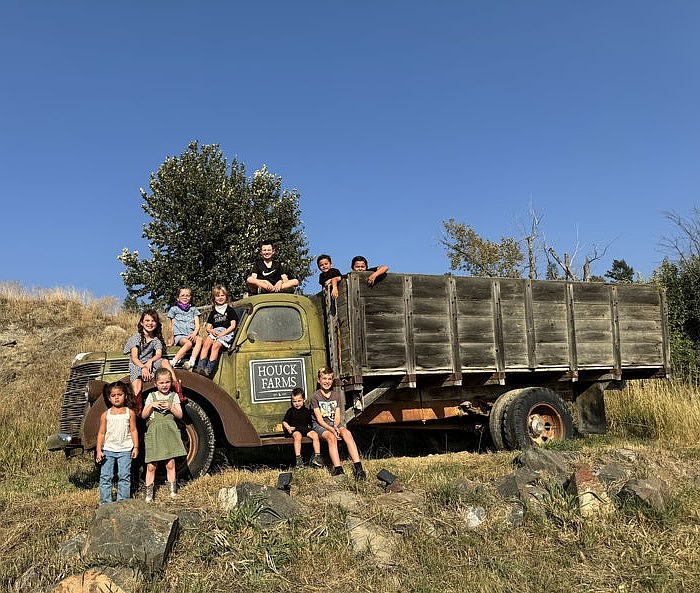
Farming has shaped most of Jeff Hood’s life.
Today, as manager of Houck Farms, he works both on the farm and as an advocate for other farmers.
“My mom was born and raised here in Bonners Ferry,” Hood said. “She is the third generation of Houcks. My brother and I spent a lot of time up here growing up with the grandparents. I went out in the world, had a career and came back to help the family out. One thing led to another and there was a need and an opening to help on the farm and I’ve stayed and settled down and got married here.”
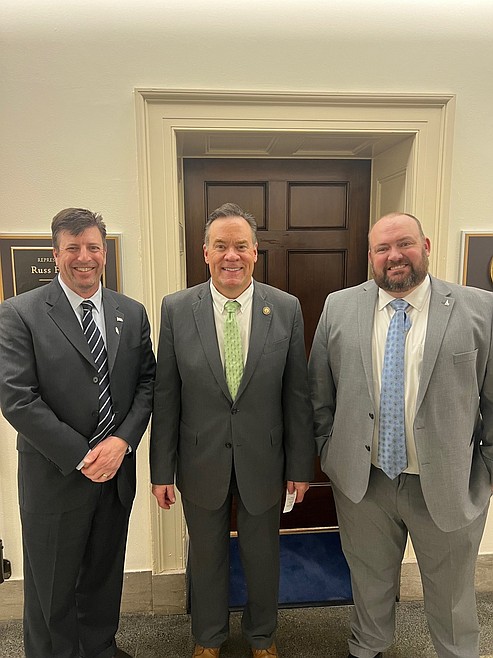
Hood serves on the executive board of the Idaho Grain Producers, where he speaks to lawmakers, advocating for Idaho farmers at the state and federal levels. He said he is following in the footsteps of other Boundary County farming leaders, including Tom Iverson, Ty Iverson and Tim Dillin.
Houck Farms grows winter wheat, food-grade barley, canola, alfalfa and garbanzos and operates year-round.
Weather plays an important role in farming. Hood said he always hopes for good conditions, but when weather is unfavorable, farmers make do with what they have.
“This year we didn’t have the snowpack in the mountains but we’ve had pretty good moisture,” Hood said. “We don’t control the weather. We hope and pray. Mother Nature can be kind of a prickly partner.”
“We hope for well-timed rains. But if we don’t get those, we farm with what we get and we incur the cost. We spend the money, we take the time, we do the best we can to control what we can and do the right things that we’ve proven right through over 100 years on this farm.”
Rain is important, but the timing of it can be just as much of a factor in crop production. A NASA study found that daily rainfall variability is nearly as important as annual rainfall totals in driving crop growth worldwide.
“We can get rain like last year and it counts for annual rainfall but if it comes at the wrong time, it’s devastating,” Hood said. “Rain at the wrong time can damage crops, reducing quality or adversely affecting harvest. 2025’s July rain cost many Kootenai Valley farms millions in sprouted wheat.”
Though Hood said he has adjusted planting schedules based on weather conditions, he acknowledged that too much change carries risk.
“There’s little you can do to continue to manage the rotation of these crops,” Hood said. “You can adjust timing slightly. When profitability is where it’s at, we try to stick with what we know rather than wild experiments with things that we don’t know.”
Along with weather, farming also presents challenges for the next generation, including the rising cost of equipment and land. The average age of U.S. farmers is 58.
“In farm country many farmers want to see the farm go on and they want to leave the farm in a better spot than what it was when they took it on,” Hood said. “What’s the attraction for a young person to come back and load themselves up with debt knowing that they’re not going to make a dime after they’ve paid their bills and they’re going to die a pauper?”
Hood said one partial solution is for older farmers to step aside sooner to give younger producers more time to build equity.
“Farmers in general are going to have to get out of the way earlier,” Hood said. “They’re going to have to quit earlier so that younger people have a longer run to earn money. It still doesn’t fix the fact that you don’t have a lot of people who want to farm. You have a lot of people who want to eat every day.”
Asked how to strengthen the industry, Hood said policymakers need to listen to farmers.
“I don’t know the answer to that question, how do you put the farmer back at the center,” Hood said. “But when farmers speak up and say that things make it hard for us to farm, it would do well for policymakers to listen.”
He said family is the most rewarding part of farming.
“Being with family is important,” Hood said. “Family is oftentimes the people you get to spend time with that you’re related to. But family is also the community that you associate with and the close-knit ag community here is like a family.”
“We’re a 100-year farm; we’re a fifth-generation farm. There’s a responsibility to my own family and the hope is that you pass on what we’ve had the opportunity to enjoy to the next generation to continue on good work and continue to feed the world.”
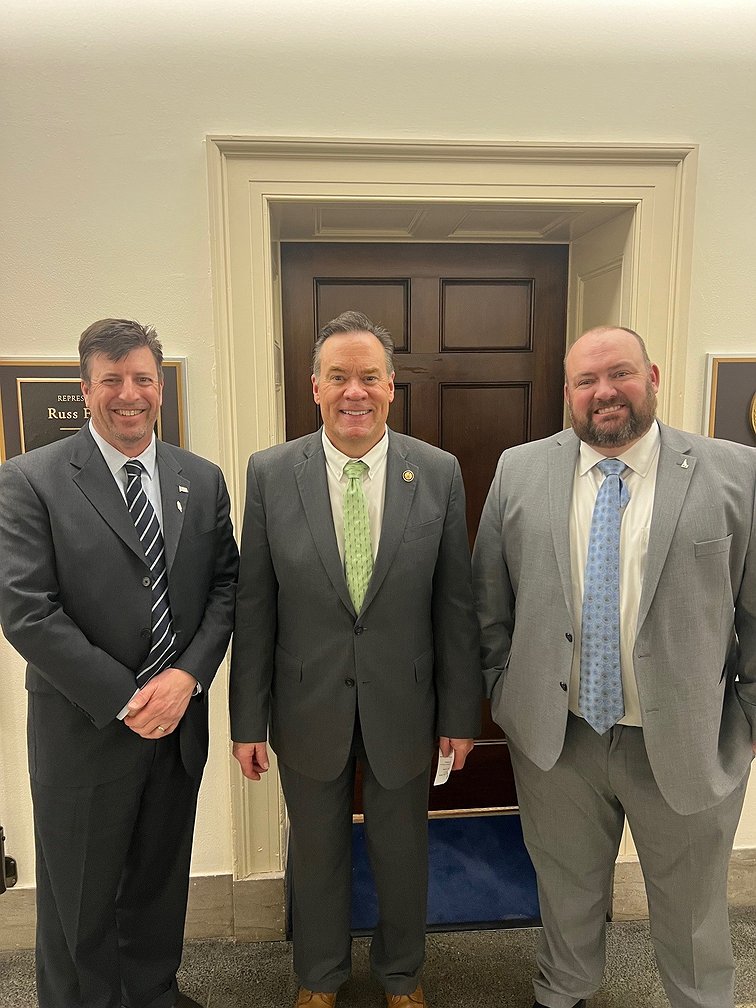 Hood (left) meets with Congressman Fulcher (middle) at Capitol Hill.
ARTICLES BY NOAH HARRIS

Bill amended to let Canadian flag to fly

PREP BASEBALL: Bonners Ferry battles in 10-0 losses to Lakeside