
Discover how businesses are using cloud technology to get ahead in today's world
Billie Pollisotto | Bonner County Daily Bee | UPDATED 9 months AGO
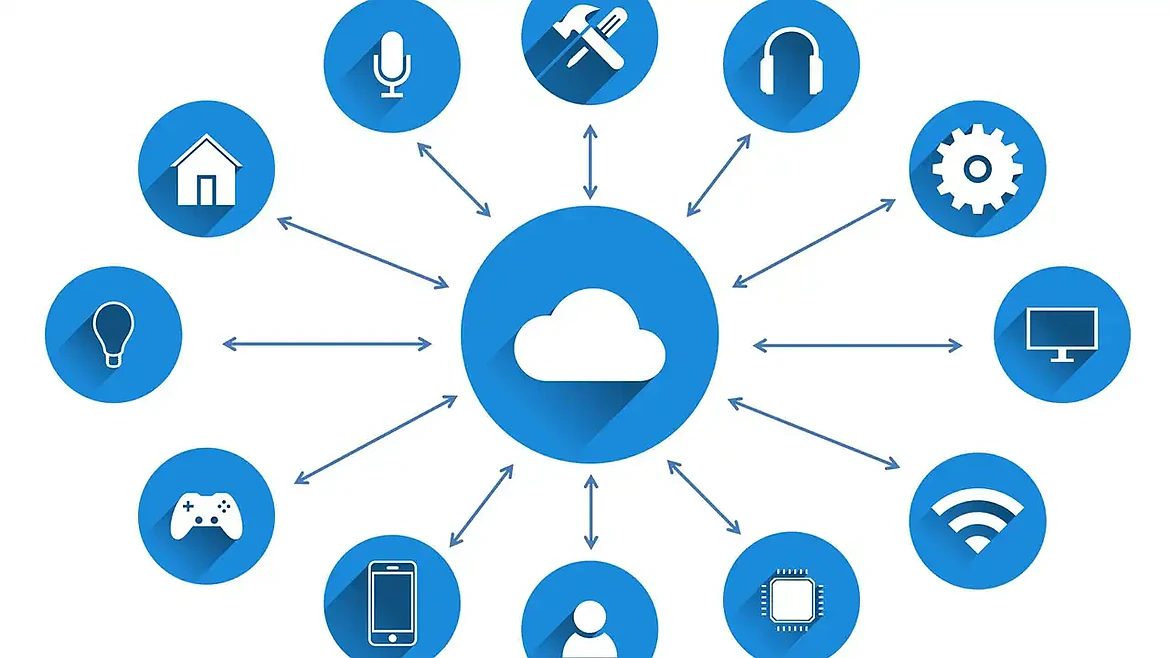
Businesses are winning with cloud technology because it delivers speed, scale, and smarter decisions in real time. Cloud platforms cut infrastructure drag, support remote teams, and let companies pivot fast. The advantage is agility.
A product takes off at 9:12 a.m, and traffic floods in. The cloud expands instantly, processes orders, updates inventory, and streams live metrics to leadership. There's no downtime and no scramble.
Markets move fast. Cloud-powered teams move faster. When competitors release updates weekly and use AI insights daily, standing still is not an option. Companies that act now are not just keeping up; they are pulling ahead.
How Does Cloud Technology Help Businesses Grow?
Cloud technology supports business growth by removing operational bottlenecks and giving organizations room to expand without rebuilding their infrastructure. Instead of investing in physical servers every time demand increases, companies can scale computing power, storage, and software access in real time.
This flexibility directly impacts revenue potential. Businesses can enter new markets without opening additional offices or data centers. E-commerce platforms can handle traffic spikes during major promotions without crashing.
Service-based firms can onboard new clients quickly because cloud systems allow immediate access to shared tools and resources. Salesforce Consulting Services can help you ensure you're optimizing your sales and marketing to suit your needs.
Remote and Hybrid Work
Cloud technology has become the backbone of remote and hybrid work models. Instead of relying on office-based servers and internal networks, employees can securely access files, applications, and communication tools from virtually any location with an internet connection.
This shift has allowed businesses to maintain continuity during disruptions while expanding access to talent. Companies are no longer limited to hiring within commuting distance. Teams can collaborate across cities, states, and even countries using cloud-hosted platforms for:
- Document sharing
- Video conferencing
- Project management
- Real-time messaging and team chat
- Shared calendars and scheduling
- Customer relationship management systems
Operational flexibility has also improved. Managers can monitor performance through centralized dashboards, while employees can update shared files in real time without version conflicts. Cloud-based systems reduce reliance on email attachments and local storage, minimizing errors and improving efficiency.
Security remains a top priority. Leading cloud providers offer encryption, multi-factor authentication, and centralized access controls that help protect sensitive information. Businesses that pair these safeguards with internal cybersecurity policies are often better equipped to manage distributed workforces safely.
Saving Money
Cloud infrastructure benefits help businesses reduce expenses by shifting from large capital investments to flexible operational spending. Instead of purchasing and maintaining physical servers, companies pay for computing resources based on actual usage. This model limits upfront costs and improves cash flow management.
Infrastructure savings are only part of the equation. Cloud providers handle system maintenance, software updates, and security patches, which lowers internal IT labor demands. Organizations often reduce energy consumption and facility expenses because they no longer need to operate on-site data centers.
Scalability also prevents overpaying for unused capacity. Businesses can increase resources during peak periods and scale back when demand drops. This elasticity helps avoid the common problem of purchasing hardware that sits idle outside of busy seasons.
Advantages of Cloud Platforms: Improving Customer Experience
Cloud technology solutions allow businesses to deliver faster, more personalized, and more reliable service across digital channels. Instead of relying on isolated systems, companies can connect:
- Customer data
- Communication platforms
- Support tools
- E-commerce and payment processing platforms
- Analytics and reporting dashboards
This integration gives teams a clearer view of each customer's history, preferences, and past interactions. Sales and support representatives can respond more accurately because information updates in real time. Customers spend less time repeating details and more time receiving meaningful assistance.
Performance improvements are another advantage. Cloud-hosted websites and applications can automatically scale during high-traffic periods, which reduces slow load times and service disruptions. In competitive markets, speed and reliability often influence purchasing decisions.
Advanced analytics further refine the experience. Businesses can analyze browsing behavior, purchase patterns, and service feedback to tailor recommendations and marketing campaigns. These insights help companies anticipate needs rather than react to complaints.
Strengthen Agility
Companies operating in rigid IT environments often struggle to respond in time.
Cloud-based systems allow businesses to pivot without rebuilding infrastructure. New applications can be deployed rapidly. Existing services can be modified without shutting down operations. Teams can test pilot programs, evaluate performance, and refine strategy with minimal risk.
This agility extends to operations. If demand rises unexpectedly, computing capacity can expand within minutes. If demand slows, resources can scale back just as easily. That responsiveness helps protect margins while supporting growth opportunities.
FAQs
What Are the 4 Types of Cloud Technologies?
The four main types of cloud technologies are public cloud, private cloud, hybrid cloud, and multi-cloud.
Public cloud services are delivered over the internet by third-party providers and shared across multiple customers. Private clouds are dedicated environments built for a single organization, often used when tighter control or regulatory compliance is required.
Hybrid clouds combine public and private systems, allowing businesses to move workloads between environments as needed. Multi-cloud strategies use services from more than one cloud provider to reduce risk and increase flexibility.
What Are the 5 Most Common Uses of Cloud Computing?
The five most common uses of cloud computing are:
- Data storage
- Software hosting
- Backup and disaster recovery
- Collaboration tools
- Data analytics
Businesses rely on cloud storage to securely house files without maintaining physical servers. Many run software applications through cloud platforms instead of installing programs on individual devices. Automated backups protect critical information and support faster recovery after disruptions.
Teams use cloud-based collaboration tools to share documents and communicate in real time. Companies also process large datasets in the cloud to generate insights that guide decision-making and improve performance.
Can Small Businesses Afford Cloud Technology?
Most cloud services use monthly, pay-as-you-go pricing, so small businesses avoid large upfront hardware costs. Companies can start with basic tools like secure storage or email hosting, then scale as revenue grows.
Cloud adoption often reduces maintenance expenses and improves efficiency, making it a practical option for businesses that want modern tools without heavy capital investment.
Use Cloud Technology Today
There are so many options for companies trying to optimize processes with cloud technology. You should understand some options with this guide.
Are you looking for more business articles? The Bonner County Daily Bee has lots of other great options.
This article was prepared by an independent contributor which helps us continue delivering quality content to our audiences.