
Medicaid expansion cuts threaten access to care for everyone
HILLARIE MATLOCK / Contributing Writer | Bonner County Daily Bee | UPDATED 3 months AGO
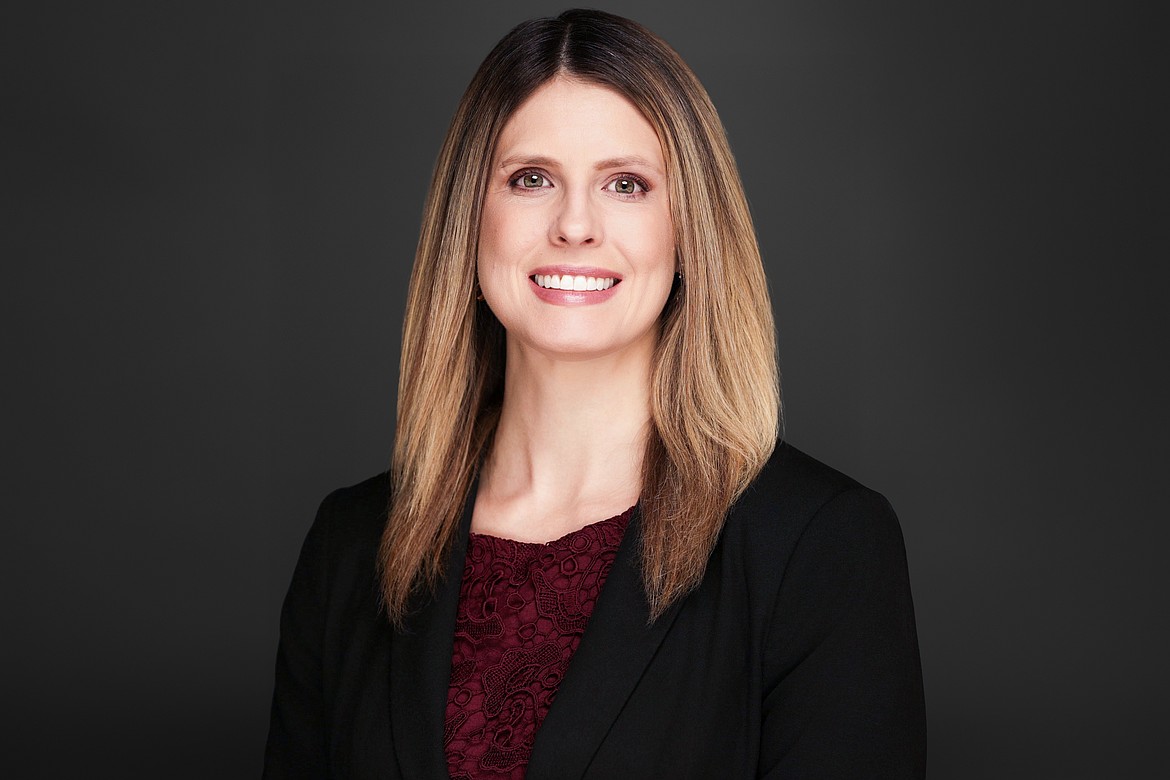
Matlock
People without health insurance are human and they still get sick. When they get very sick, they go to emergency rooms, like everyone else. Without Medicaid Expansion, the cost of their care falls on the hospitals.
Doctors make lots of money, so that’s fine, right? Wrong. Most hospitals are nonprofits, and rural hospitals are running on a shoestring budget. It’s no secret that Idaho’s experiencing significant healthcare worker shortages. When funding for healthcare gets cut, Idaho loses medical professionals.
THE ISSUE
The Idaho Legislature may consider ending Medicaid Expansion in 2026, which covers roughly 90,000 people in Idaho. This is despite legislation that was passed as a compromise to ending the program, legislation that hasn’t even taken effect yet.
When Medicaid Expansion started, the Legislature did away with the old way of funding indigent medical care through the county and state programs. If cut, there are no options for Idahoans who lose their coverage.
If Medicaid Expansion ends, it would recreate a coverage gap. Meaning Idahoans that make up to 100% of the federal poverty line ($15,650 for an individual) would not qualify for Medicaid or a tax credit on the state-based exchange that makes health insurance affordable for low-income families.
Who pays their medical bills when they get sick? The rural hospitals that cannot legally nor morally deny an ill person care. Until that rural hospital is so overwhelmed that it’s forced to close its doors. Ultimately resulting in longer drives to get an emergency room in Idaho’s massive state, that covers 44 counties and stretches across more than 83,000 square miles.
How far do you want to drive to get to an ER doctor?
THE RETURN ON INVESTMENT
Why else should we keep Medicaid Expansion? The return on investment is indisputable. For every $1 of state investment, Idaho receives $9 in federal investment. By keeping Medicaid expansion in place, Idaho sees approximately $1 billion invested into the healthcare economy.
In state FY2025, Medicaid expansion only accounted for 1.6% of general fund expenditures.
Medicaid is also the largest payer for behavioral health services in Idaho with one in three on Medicaid expansion having a mental illness.
Because of Medicaid expansion, we can receive a 90/10 match from the federal government to cover new moms who qualify for Medicaid during the 12 months postpartum saving state dollars. Idaho currently covers approximately 30% of births through Medicaid.
ECONOMIC BENEFITS
Let’s talk money. Medicaid expansion has created a massive benefit to our economy.
For every federal dollar invested in Medicaid, Idaho sees an increase in $1.82 in gross economic activity. For FY2025, that equates to approximately $1.587 billion dollars invested in our economy.
Medicaid expansion produces an additional 9,362 jobs throughout the state.
Over $35 million in general fund revenue and $12 million in property taxes generated annually as a result of expansion.
It’s time we acknowledged the role that Medicaid plays in our healthcare infrastructure and economy. In no other industry would we consider taking away $1 billion out of our infrastructure that provides this level of economic benefit.
Repealing Medicaid Expansion is a step backwards that leaves Idahoans in a worse place than they were in 2018, when Idaho voters initially passed the initiative by a ballot measure with 61% of the vote. At least then there were indigent funds available, that while imperfect, helped prevent shifting the cost burden to hospitals and taxpayers’ private insurance company premiums. Medicaid Expansion is simply something Idaho cannot afford to lose. We call on the Idaho Legislature and Governor Little to protect Medicaid expansion.
Hillarie Matlock is a policy director and has been working in health policy with Idaho Voices for Children for over eight years. She leads the largest health advocacy network for children and families in Idaho focused on policies that improve health outcomes. She graduated with honors from Boise State University.