
Cabinet Peaks Medical Center now offering genetic testing
The Western News | The Western News | UPDATED 3 days, 23 hours AGO
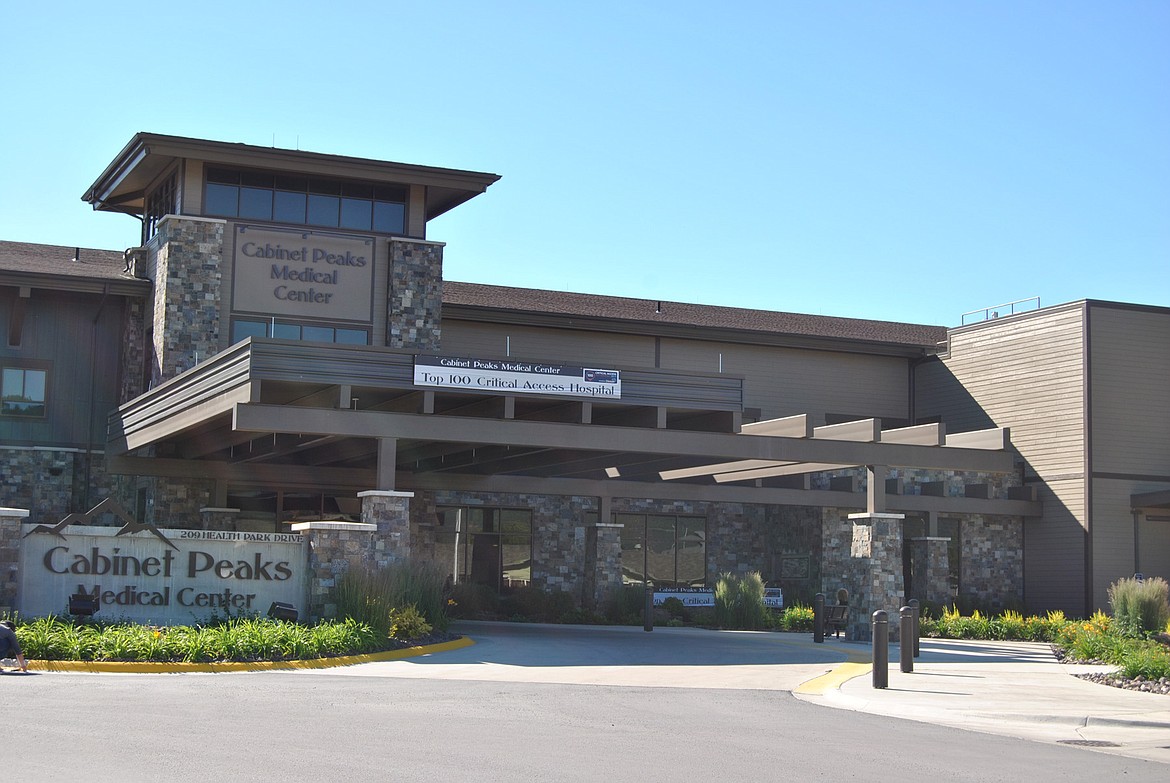
Cabinet Peaks Medical Center is at 350 Louisiana Ave. in Libby. (Courtesy photo)
Cabinet Peaks Medical Center is proud to offer a convenient, affordable, and accurate genetic testing option for men and women in our community. Through Cabinet Peaks Clinic, eligible patients now have access to comprehensive genetic and carrier screening without the need to travel out of town.
This testing helps identify inherited risks for certain cancers and other genetic conditions, allowing patients and providers to make informed decisions about prevention, screening and long-term health planning.
Available genetic screening tests include BRCA 1 and 2 testing for breast cancer; Cystic Fibrosis and other prenatal carrier conditions such as Trisomy conditions, Fragile X, and Turner syndrome; Familial Hypercholesterolemia; Lynch Syndrome; endometrial, ovarian, colorectal, pancreatic, gastric, prostate, renal, bladder, thyroid and endocrine cancers, as well as other hereditary conditions.
Genetic screening through Natera may include testing that evaluates 81 genes across more than 12 common hereditary cancer types. Specific genes can be selected individually or expanded based on a patient’s known family history or particular health concerns.
Riley Black, DNP, nurse practitioner at Cabinet Peaks Clinic, encourages patients to consider their personal risk factors when deciding whether genetic testing is appropriate.
“Up to 10 percent of breast cancers are directly related to known genetic mutations and women or men with these mutations may have up to an 80 percent lifetime risk of developing breast cancer. Patients who understand their hereditary cancer risk often have better outcomes than those who do not,” Black said.
She added, “When clinicians know a patient’s risk factors, it changes how and when we screen for certain cancers, which improves the chances of early detection and better outcomes.”
Black also noted that genetic testing is not for everyone and should be carefully considered.
“More information is not always better for every patient’s situation. Ideal candidates for testing may include those with a known family history of cancer, such as breast, colon or ovarian cancer. Natera testing also allows us to evaluate hereditary cholesterol disorders, which are often not detected until later in life when significant cardiovascular disease has already developed,” she said.
Testing is typically completed through a simple blood draw, though saliva testing is available for patients who are sensitive to needles. Results are usually received within a few weeks.
Genetic testing includes access to a complimentary consultation with a Certified Genetic Counselor who can help patients understand their results and the screening recommendations based on current evidence-based guidelines. Natera works closely with a patient’s primary care provider, ensuring all members of the health care team are informed of the patient’s genetic risks and recommended next steps.
Genetic testing may be appropriate for patients with a personal or family history of cancer diagnosed at age 50 or younger; a personal or family history of ovarian, breast, or pancreatic cancer; multiple cancers on the same side of the family; Ashkenazi ancestry; unknown family genetic history; or a known higher personal risk for certain cancers.
Genetic testing through Natera can be billed to most insurance plans, including Medicare, Medicaid and commercial insurance. Financial assistance may be available for uninsured patients.
“It is important for patients and providers to understand that genetic screening does not detect the presence of active cancer or disease,” Black said. “It evaluates the likelihood that a patient may develop certain conditions in the future. Routine screenings such as mammograms, colonoscopies, and other preventive exams remain essential.”
She added, “The best protection against cancer includes prevention and avoiding known carcinogenic exposures. Maintaining a healthy weight, eating a balanced plant-focused diet, staying active, and avoiding tobacco, alcohol and other drugs are some of the most important steps patients can take to reduce overall cancer risk.”
Patients interested in genetic screening are encouraged to speak with their primary care provider about a referral to Cabinet Peaks Clinic or call the clinic directly at 406-283-7440.
A genetic consultation appointment is required to discuss testing options and determine whether genetic screening is appropriate.