
Tribe, Citizens planned to sue EPA over CFAC
Chris Peterson | Hungry Horse News | UPDATED 1 day, 22 hours AGO
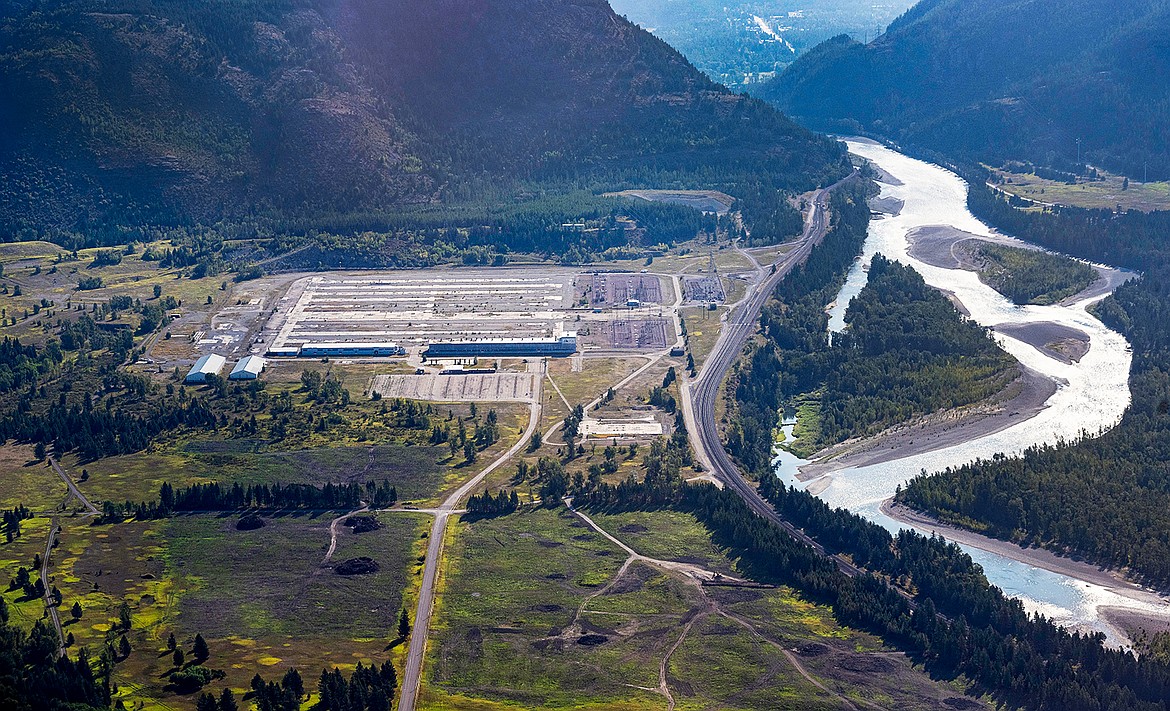
The CFAC site as seen from an airplane on Aug. 27, 2025. (Seth Anderson photo)
SETH ANDERSON PHOTOGRAPHY
Another round of environmental testing was completed at the Columbia Falls Aluminum Co. plant, work that some say was prompted by the threat of a lawsuit.
The field work, approved by the Environmental Protection Agency was completed Dec. 19, according to project manager John Stroiazzo.
During a public meeting in September of 2025, the Environmental Protection Agency did not mention another facet that may have prompted the additional testing – the threat of a lawsuit.
In June of 2025 the Confederated Salish and Kootenai Tribes and Citizens for a Better Flathead quietly filed a 60 day notice of intent to sue the EPA for failure to follow the Endangered Species Act, because, in part, it never consulted with the U.S. Fish and Wildlife Service on impacts the plant pollution was having on bull trout, a federally-listed Endangered Species.
“The EPA has violated, and is continuing to violate, the ESA for the following reasons:
1. Failure to conduct any ESA Section 7 consultation for the agency’s 2025 Record of Decision authorizing a (Superfund) remedy for the CFAC site, including plans that address undisputed off-site discharges of pollutants to the Flathead River, in which the protect bull trout exists and which is critical habitat for the same;
2. Failure to comply with ESA Section 9 by allowing/causing ongoing unpermitted CFAC offsite discharges to the Flathead River to take threatened bull trout and harass and harm the species as a result of said discharges, without an Incidental Take Statement. Failure to conduct any ESA Section 7 consultation for the agency’s 2025 Record of Decision authorizing a (Superfund) remedy for the CFAC site, including plans that address undisputed offsite discharges of pollutants to the Flathead River, in which the protect bull trout exists and which is critical habitat for the same and failure to comply with ESA Section 9 by allowing/causing ongoing unpermitted CFAC offsite discharges to the Flathead River to take threatened bull trout and harass and harm the species as a result of said discharges, without an Incidental Take Statement, the Tribe and Citizens for a Better Flathead claimed.
Mayre Flowers, co-chair of Citizens for a Better Flathead said earlier this year that she believed the notice of intent to sue likely had an impact on the decision to do more tests at the site,
The company and the EPA have both said in the past that while there is a notable plume of cyanide and fluoride in the groundwater, it is well below safe drinking water thresholds by the time it reaches the Flathead River, which is well to the south of the dumps.
However, the tribe and Citizens refute that.
“No section of the Record of Decision examines groundwater-based pollutant discharges into near-shore reaches of the Flathead River to determine impacts on the threatened Bull trout, despite admitting the Flathead River adjacent to and downgradient from the CFAC Site is in fact Critical Habitat for the Bull Trout, and despite Bull trout having been documented in reaches of the Flathead River proximate to the CFAC Site,” they claim in the Notice of Intent to sue.
The Record of Decision is the final plan for cleanup of the site.
The EPA did not speak directly to the threat of a lawsuit.
“The goal of the Unilateral Administrative Order was to conduct pre-design field work that will be used to inform remedy designs while also allowing for the site to continue critical work this year during the consent decree negotiations,” project manager Allie Archer said in an email to the Hungry Horse News. “Field work conducted under the UAO wrapped up last month. EPA and DEQ check in regularly with CFAC and will have a clearer timeline of data availability in the coming weeks as data gets through the lab analyses and validation processes. The agencies are expecting to receive final data somewhere in the March or April timeframe.”
The next steps will be to put the data into reports. The work was cost CFAC about $3.5 million.
The additional work included soil sampling, drilling of new monitoring wells as well as other borings and water sampling. They also investigated a domestic landfill used by the plant that is north of the West landfill.
In addition, there was testing done on the caps of landfills that are known to contain asbestos and a drainage sluice that takes water from the Cedar Creek Reservoir at high water will be lined to keep it from leaking into the landfills.
The EPA at a meeting in September framed the additional work as a way to gather more data ahead of a plan to surround the west landfill and the former wet scrubber sludge pond at the plant with a slurry wall of bentonite.
The idea is the wall will keep groundwater that’s high in cyanide and fluoride from seeping from the dumps, which contain spent potliner from the plant, which is leaching the chemicals and has been since at least the early 1990s.