
Legislators consider Medicaid cuts
ROYCE MCCANDLESS / Coeur d'Alene Press | Coeur d'Alene Press | UPDATED 3 hours, 57 minutes AGO
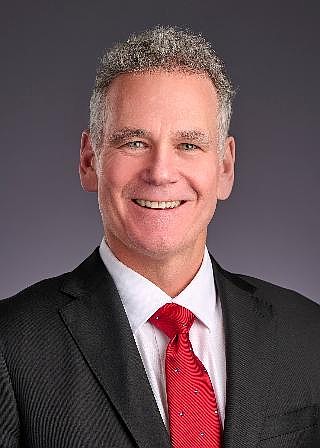
Bjerke
BOISE — The Legislature’s Joint Finance-Appropriations Committee met Thursday to hear an overview of the program's costs and the cuts proposed for Medicaid enrollees in the coming fiscal years.
The meeting provided a deeper look into Gov. Brad Little’s budget for fiscal year 2027, which recommends a $22 million reduction in Medicaid spending beyond the 4% Medicaid provider rate changes implemented last year. If both were enacted it would bring the total proposed cuts for next fiscal year to $45 million.
Rep. Brooke Green, D-Boise, said the rate changes have already prompted several comments from constituents concerned about obtaining coverage for themselves and their children.
“I certainly am seeing a lot of emails from a lot of very concerned parents trying to care for their disabled children and provide service,” Green said, adding that she has heard of parents unable to get physical therapy service and other forms of care as a result of these changes.
As for the cuts proposed by Little for the next fiscal year, these included several suggested Medicaid program removals including the removal of adult dental services, the removal of home- and community-based services (which assist disabled individuals in independent living) and the removal of the pharmacy benefit for non-expansion Medicaid adults.
In each case, legislation would be required in order to enact the cuts.
Sen. Janie Ward-Engelking, D-Boise, noted that several of the programs put forward for cuts are currently under Medicaid due to action from the Legislature. In the case of adult dental services, Ward-Engelking said the state saw significant costs for many who faced heart issues and other complications that were preventable with these services being covered.
Sen. Carl Bjerke, R-Coeur d’Alene, said in an instance where the choice was between maintaining funding for adult dental services and providing support for a single mother caring for a severely autistic child, he would choose the latter.
“I desire to do the most for the most but when it comes to Medicaid I want the money to be driven and given to the people that are the most vulnerable,” Bjerke said. “And I see after looking through this budget … that we need to triage and prioritize.”
Bjerke questioned whether reducing the 133% of the federal poverty line threshold for the expansion population could be reduced to lower some of Medicaid’s total costs.
Idaho Department of Health and Welfare Deputy Director Sasha O’Connell responded that the increase in program costs have not been driven by the Medicaid expansion population, but by the traditional Medicaid population, which includes low-income children and people with disabilities. Additionally, if this threshold were to be lowered, the state would lose its 9-to-1 federal match qualification for Medicaid expansion, and in turn increase the state funds needed to facilitate the program.
Though options for cuts were presented to JFAC on Thursday, a decision from the body on what programs will ultimately be subject to reductions or removals has yet to take place.