
FEB NIBJ: Timber!
CAROLYN BOSTICK | Hagadone News Network | UPDATED 2 months AGO
Carolyn Bostick has worked for the Coeur d’Alene Press since June 2023. She covers Shoshone County and Coeur d'Alene. Carolyn previously worked in Utica, New York at the Observer-Dispatch for almost seven years before briefly working at The Inquirer and Mirror in Nantucket, Massachusetts. Since she moved to the Pacific Northwest from upstate New York in 2021, she's performed with the Spokane Shakespeare Society for three summers. | January 27, 2026 1:00 AM
Looking back at local logging practices within his lifetime, Kootenai County Timber and Agriculture Department Forester Colton Smith said safety concerns led to the biggest shifts in technology.
"The loggers here used to 'yard' timber, we’re talking a tower with a big boom on it," Smith said.
With towers between 20-50 feet tall, the vehicles would have a tower with cables for logging jobs on steep elevations.
"The tower sits there on the top and the logger will run the cables to the bottom and hook it up to a stump or a tree," Smith said. "What they do is they send the cables down with chokers and they wrap the cables around the fallen logs and then they yard it up to the tower."
Around the early 2000s, Smith said the timber industry started to look into new ways to log more safely.
"They don’t do that very much anymore. A lot of young people didn’t necessarily log because it’s dangerous. You had a lot of fatalities," Smith said. "A lot of older guys that did that stuff, they were telling their kids, not to do that, to go to college."
As positions became harder to fill, technology was relied upon to fill the gap in manpower as well as offering safer practices to obtain the timber.
"Today, logging trees in, it's one person in a machine versus five or six people working in a yarder," Smith said.
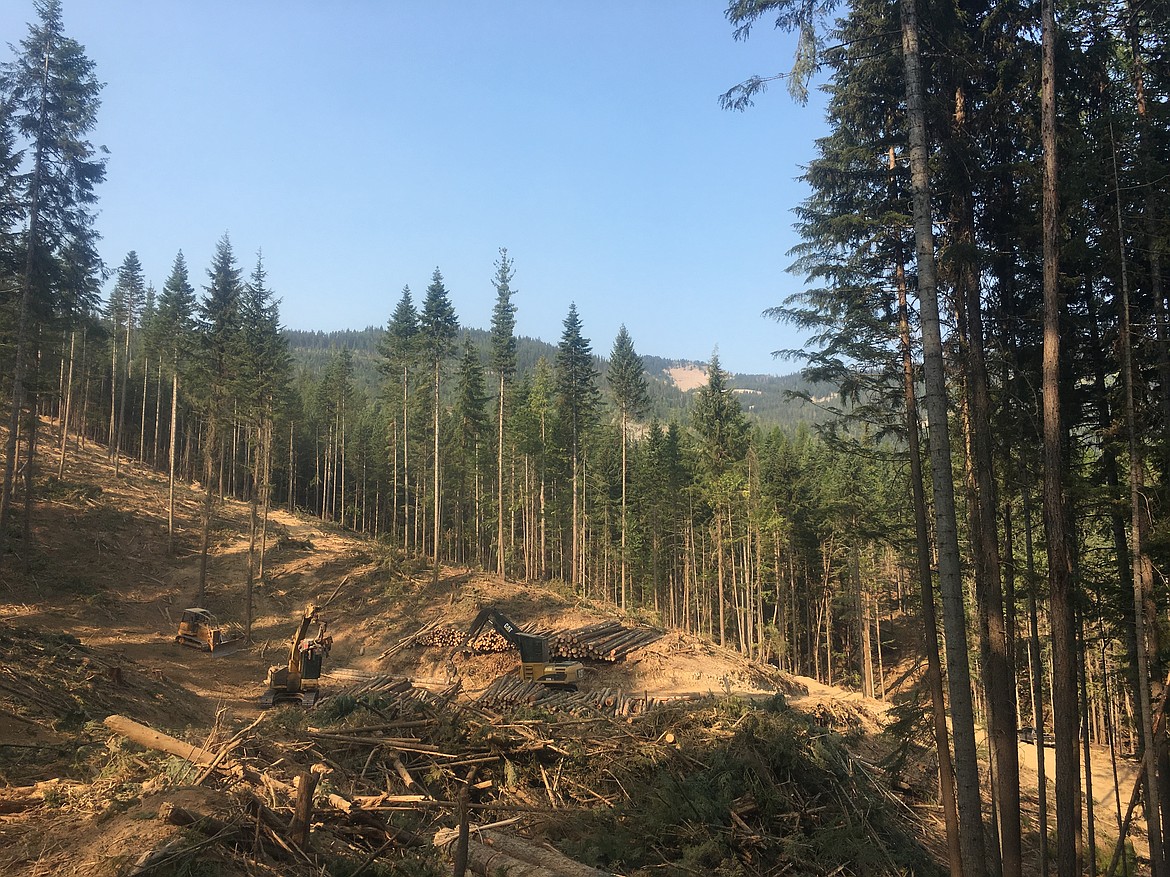
Harvesters and processors are now used along with loaders and self-levelers to drive up the hillsides to grapple the trees being felled and then drag them to the landing where the yarders used to sit.
Working the choker was often the most dangerous position for logging workers hooking up the logs using yarders.
"Sometimes they get run over by logs or the cable snaps and it hurts them," Smith said. "It's very tough work."
Watching the self-levelers in action is especially compelling because of their size and surprising range of motion, Smith shared.
"You might think if a guy’s driving up a mountain, he’s not going to be able to see much, but now they have machines and the top of the machine, the cab that he’s sitting in will level out so that he’s not at the sky, he’s looking level with the trees," Smith said. "It's pretty cool technology."
"It was a huge thing because you only have one guy out there, there’s still a danger for him because it’s a dangerous job, but you have one guy versus a bunch of guys out there, so you have less fatalities and it’s safer," Smith said.
Because of this, self-levelers have become more prevalent from the 2010s on in the logging industry, Smith noted.
There are currently about 15-20 logging companies in Kootenai County, Smith said.
Bud Vidovich got his start in firefighting before moving over into entrepreneurship with Vidovich Forestry. He frequently runs subcontracted logging crews as part of the work and does some logging on the side.
“It was a lot of beans and rice for 10 years,” Vidovich said. “It's just evolved with mechanization.”
The logging industry has largely become populated with older loggers, Vidovich said, in part due to less interest in the industry and partially due to the cost barrier of buying newer logging equipment.
“Back in the olden days, you needed a chainsaw and a bulldozer,” Vidovich recalled. “I know a couple of guys who are dinosaur loggers and they cut down the trees with a chain saw, run a tape out and cut it to length, but now, it’s all mechanized.”
Suspended logging with expensive tethering systems has been popular in the last several years, Vidovich said.
There’s a lot of money to be made if “a tremendous amount of wood” can be harvested, however, Vidovich noted.
“I see a lot of money pass through a company and only a little bit of it stays there,” Vidovich said.
Logging production is now 10 to 12 hours five days a week and repair cost to the extensive machinery used in the industry can be significant costs to keep up.
“Time – that can be more expensive than the repair cost, but I’ve seen repairs go from an average of $5,000 a breakdown to $20,000,” Vidovich said.
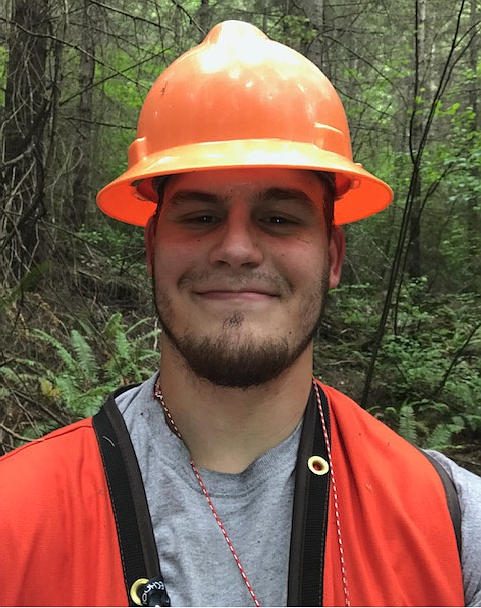
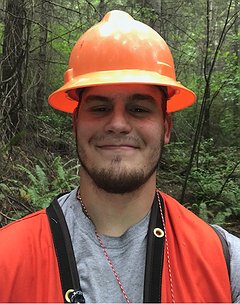 Colton Smith, forester for Kootenai County Timber and Agriculture.
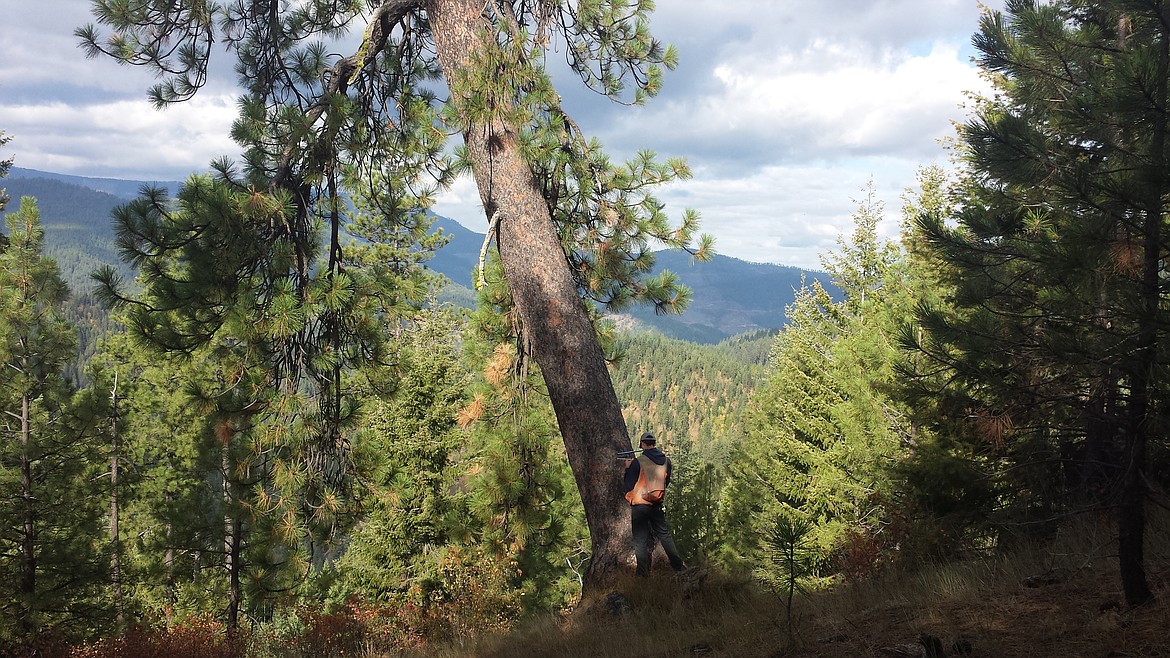
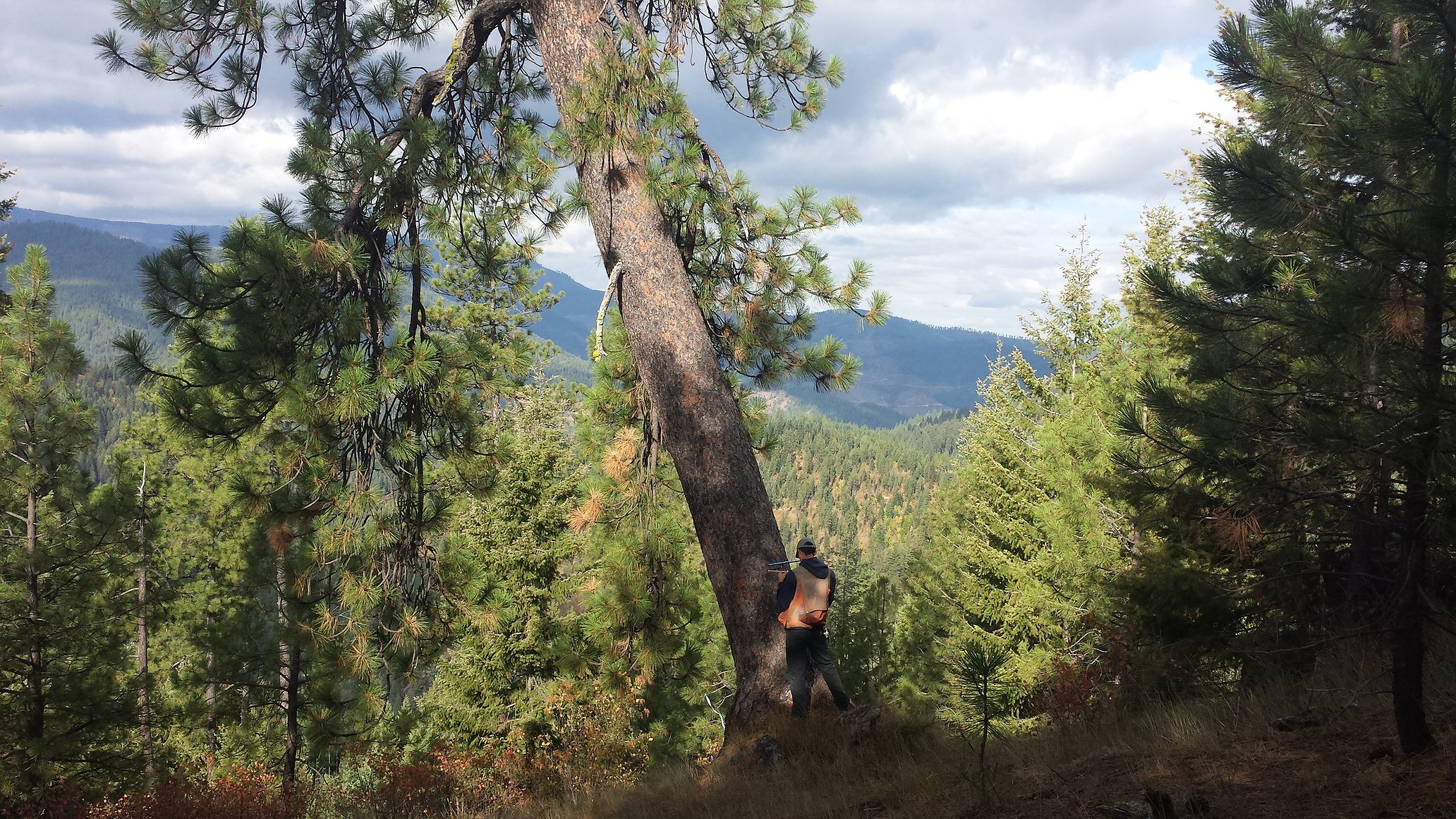 A tree is inspected.
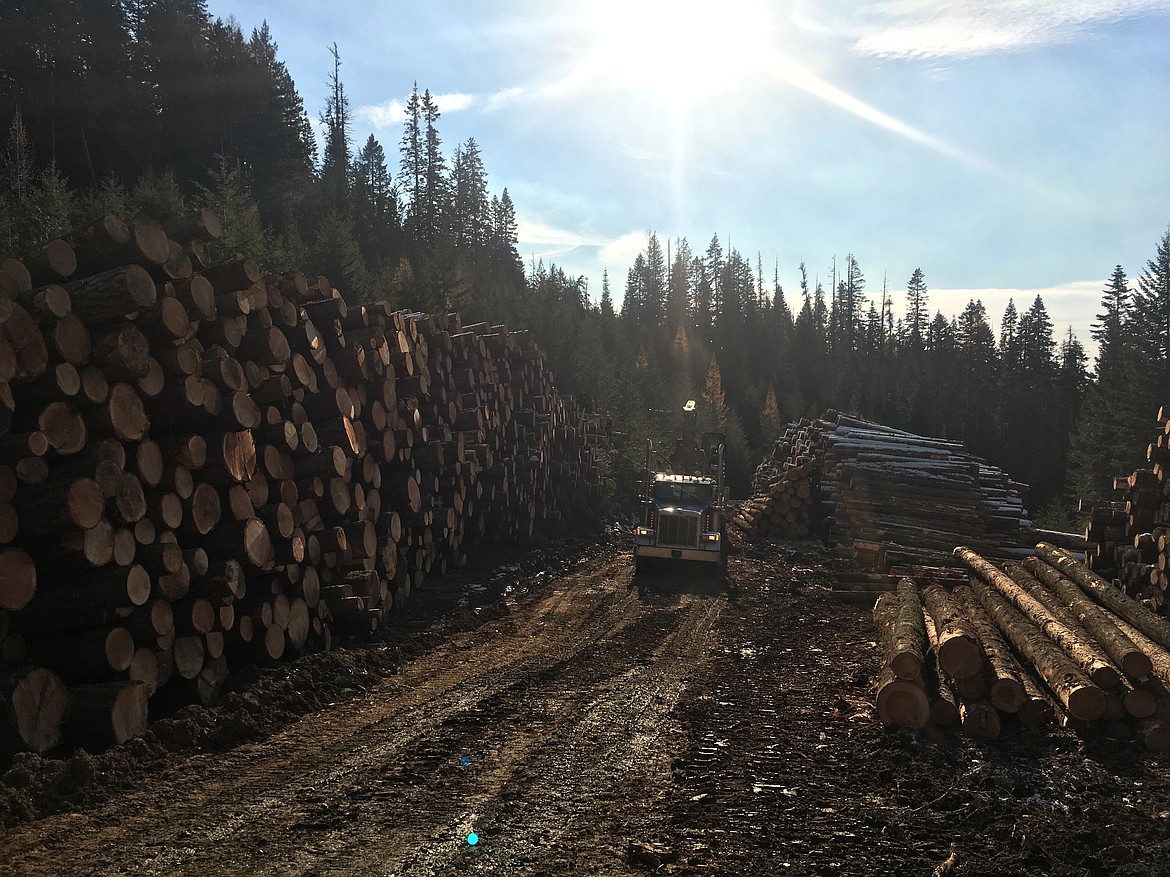
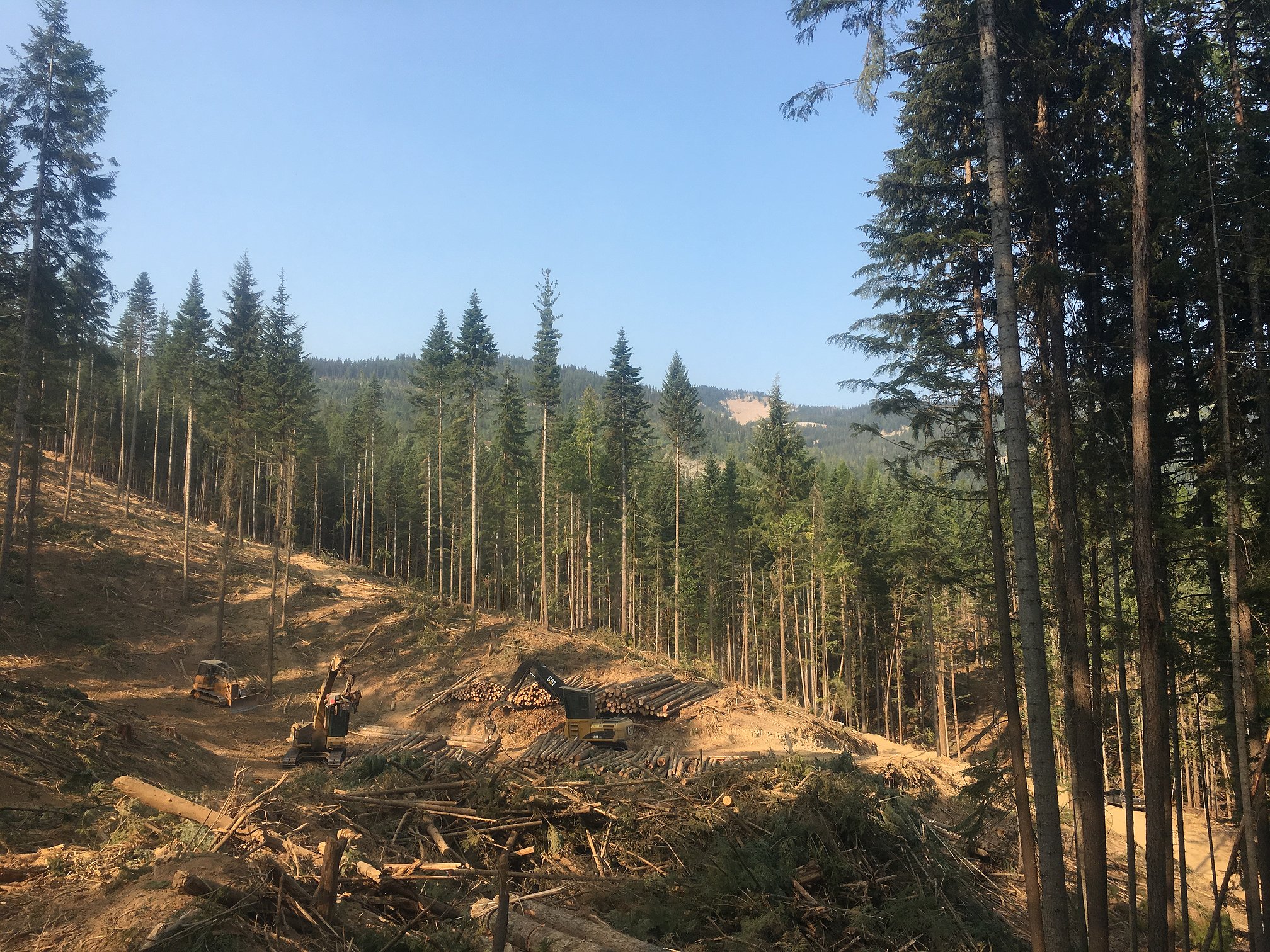 Trees are logged in North Idaho.
ARTICLES BY CAROLYN BOSTICK
'Bad actors' bill fails again
Aimed at protecting home, business owners
After high hopes this legislative session, lobbyist Ken Burgess said that the state bill intended to create protections against unscrupulous contractors won’t be moving on.

Students pitch future professions at reverse job fair
Students pitch future professions at reverse job fair
Ranging from criminology to cosmetology, Post Falls high school students pitched professions that sparked their interest during the reverse job fair on Wednesday at Real Life Ministries in Post Falls.
Kootenai Health, MultiCare celebrate Prairie Medical Campus groundbreaking
Kootenai Health, MultiCare celebrate Prairie Medical Campus groundbreaking
Although hundreds in attendance gathered at the site on Tuesday for the Prairie Medical Campus for a literal groundbreaking, Kootenai Health CEO Jamie Smith pointed out that the project also fulfilled the figurative definition by being new and innovative. “This campus is going to be a gamechanger for the region,” Smith said.