
Western Montana starved for snow in January
AMY QUINLIVAN | Hagadone News Network | UPDATED 2 months AGO
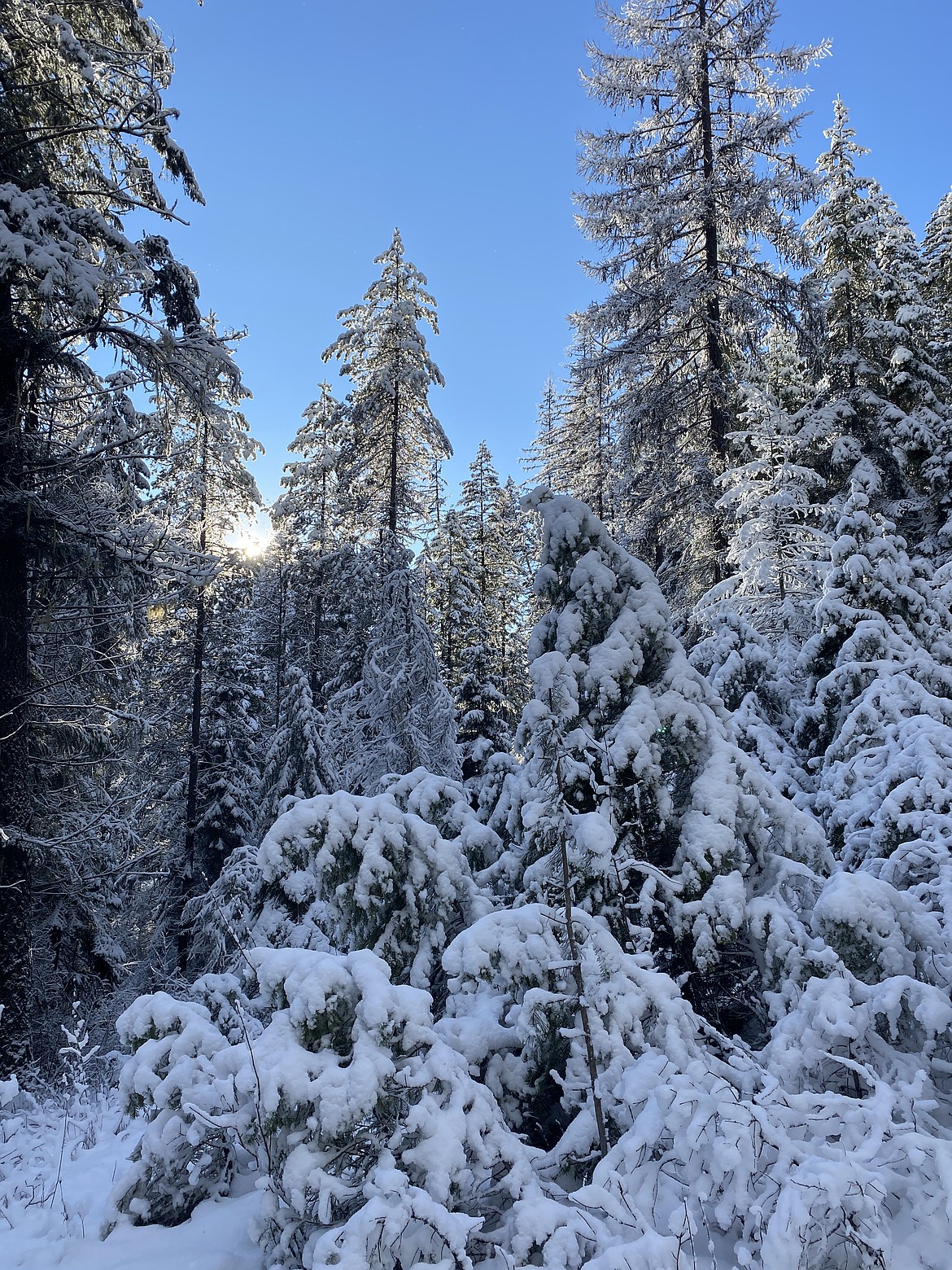
Snow from this winter's last storm has all but melted and turned to icy patches. Snow sport lovers eagerly await a fresh dumping of powder, while all Montanans keep summer in mind as snowpack concerns begin to mount. (Mineral Independent/Amy Quinlivan)
Montana is experiencing a mild, dry winter, with significant concerns about low snowpack and persistent drought, particularly in the central and eastern regions.
While some early winter models and forecasts initially suggested a colder and wetter La Niña impact, the reality of early 2026 has been a stubborn high-pressure ridge dominating the West, leading to below-average snowfall and above-average temperatures, creating a "snow drought".
The last significant snowfall came in the first week of January, leaving snow-starved winter recreationists travelling farther to seek out half-decent ski hills, or basins with enough coverage for alpine snowmobiling. Cross-country skiing in the valleys has been replaced with yak track walks, and children, young at heart, have had dismal opportunities to careen down backyard sledding hills.
As of late January, snow water equivalent in the Montana Clark Fork basins is generally below normal due to low snowpack accumulation. The Lower Clark Fork basin is reporting approximately 60–86 percent of median SWE, while the Upper Clark Fork is reported around 48% to 100% of median, depending on elevation.
Earlier in the month, some areas were near 100%; however, recent data suggest it is lower, with some sources citing 48% of the median, though this varies widely by elevation. High-elevation sites, 6,000 feet or more, generally hold better, closer-to-normal snowpack compared to lower elevations, which are lagging significantly.
In the Lower Clark Fork Basin for January, the basin is facing a below-normal snowpack, around 60%–86% of the median as of mid-to-late month. And despite periods of major early-season precipitation, the Lower Clark Fork has lagged in establishing a solid snowpack, starting the season with only 86% of the median, which is lower than the previous year. Winter conditions through the region thus far have seen a mix of heavy storms and dry spells, but overall, it is lagging behind the 1991-2020 average.
Montana Snotel sites in the Lower Clark Fork River Basin are faring better in the southwest than in the north. Hoodoo Basin, outside of Superior, sitting at 6,060 feet, has the highest snow depth numbers at 25.2 inches. Though the median peak for Hoodoo Basin is around 42 inches, this generally happens at the end of April. While Lookout Pass’s Snotel site at 5,130 feet in elevation, its location is registering 7.3 inches as of Jan. 25. Its median peak in snow depth happens roughly around the first week of April, topping out near 26 inches.
Despite the snow-parched brown landscape, vintage snowmobilers were still able to attend their gathering event in Haugan on Jan. 17, and regional ski hills are hard at work grooming trails to keep lifts running. Current long-range forecasts show little change to the ongoing dry and warmer-than-average conditions.
ARTICLES BY AMY QUINLIVAN

K9 Safety to hold trap and snare release workshop
Trapping and furbearer management in Montana is a regulated, traditional activity that involves harvesting furbearers and predatory animals for fur, management, or recreation on public and private land.
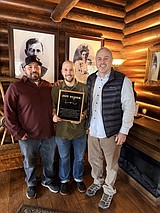
St. Regis' Jeff Stanek named History Teacher of Year
St. Regis High School teacher, Jeff Stanek, was recently named the Gilder Lehrman Institute Montana History Teacher of the Year for the Big Sky state.
St. Regis' Jeff Stanek named History Teacher of Year
St. Regis High School teacher, Jeff Stanek, was recently named the Gilder Lehrman Institute Montana History Teacher of the Year for the Big Sky state.