
Keeping the human in the loop
SUZANNE TILLEMAN University of Montana | Daily Inter-Lake | UPDATED 1 month AGO
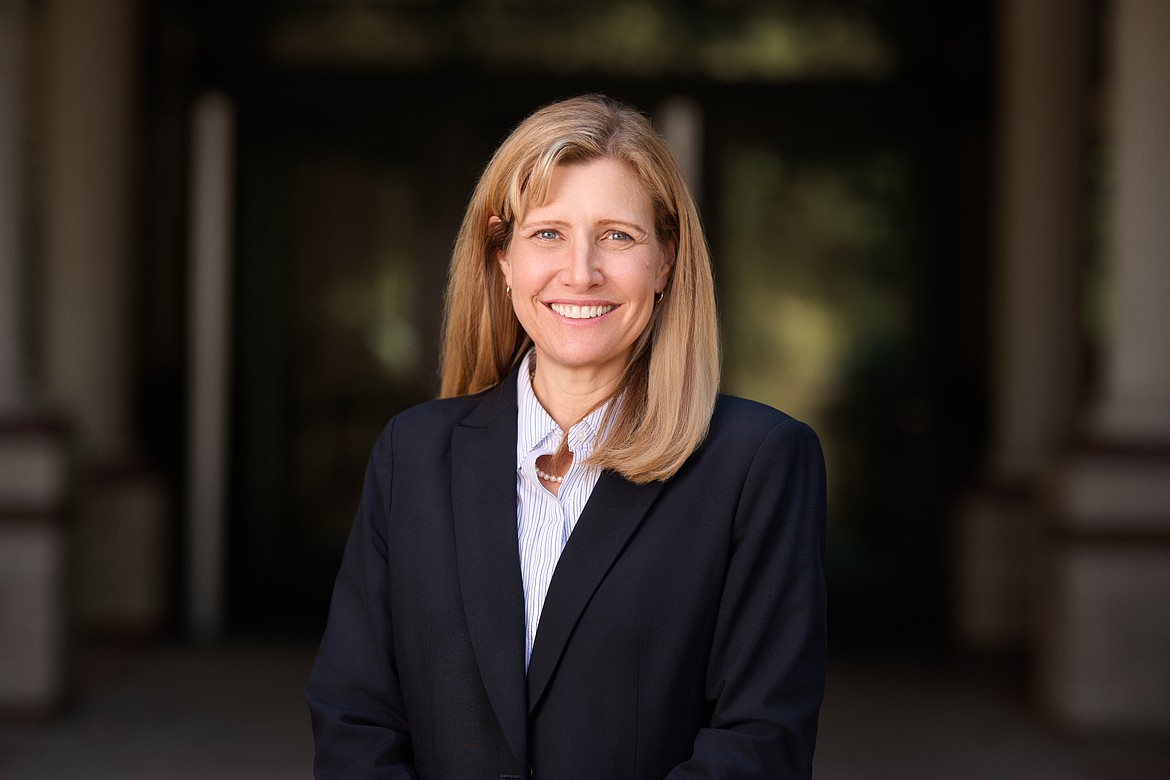
Suzanne Tilleman
Every day, we ask and are asked about artificial intelligence and what it means for our students. Will AI replace jobs? Can it be trusted? What constitutes cheating? How do we use it responsibly? These types of questions shape how and what we teach students to prepare for the workforce.
The University of Montana College of Business has been integrating AI into our curriculum. Faculty have redesigned assignments, developed new learning outcomes, and communicated ethical expectations around AI. We teach students how to use these tools to support their work, not replace it. We emphasize transparency, academic integrity, and critical thinking. Our goal is to graduate confident technologists, regardless of their career path, and AI tools are within the scope of the tools we use.
We know it does not resolve every concern about artificial intelligence, but we know we need to keep humans in the loop when using AI.
There is pressure in the job market as some employers slow hiring and reassess workforce needs. At the same time, organizations still need talented employees who can think critically, make decisions in uncertain situations, and connect technology to people and business processes. AI can generate content and automate routine tasks, but it cannot replace judgment, empathy, leadership, creativity, or ethical decision-making.
The hiring process illustrates this challenge. AI can generate an enormous number of job applications, sometimes with questionable claims about qualifications. AI can filter and rank those applications just as quickly.
It’s like driving through whiteout blizzard conditions, knowing you're behind an MDT snowplow that’s clearing the way. When both sides rely heavily on automation, we risk losing our way in a whiteout. Having a human in the loop is essential. In this AI job application blizzard, I challenge both applicants and employers to slow down and look beyond the résumé to the person behind it. These real-life connections matter more than ever in the age of AI.
At the College of Business, we do our part to prepare students for this reality. We emphasize communication, teamwork, and relationship-building alongside analytics and automation. We set clear expectations that students use AI ethically to support their work and resumes.
If you are a business leader, an alumnus, or a community member, I invite you to help us keep the human in the loop. Connect with students. Offer internships and job-shadowing opportunities. Serve as a mentor. Share your career story, including the lessons learned. Human connections shape confidence and long-term success in ways no algorithm can replicate.
Artificial intelligence will keep evolving, as will the workplace. Our shared responsibility is to ensure that progress remains grounded in human values, ethical judgment, and meaningful relationships.
If you would like to connect with our career development and mentorship opportunities, please reach out to our college Career Development Director, Traci Beighle, at [email protected] or me at [email protected]
And in ethical transparency, I used AI to edit this piece. The tool is important, but the human voice matters more.
Suzanne Tilleman is the Sprunk and Burnham Endowed Dean at the College of Business at the University of Montana.