
GUEST COMMENTARY: The progress at Moses Lake is worth continuing
Sam Castro | Columbia Basin Herald | UPDATED 8 hours, 26 minutes AGO
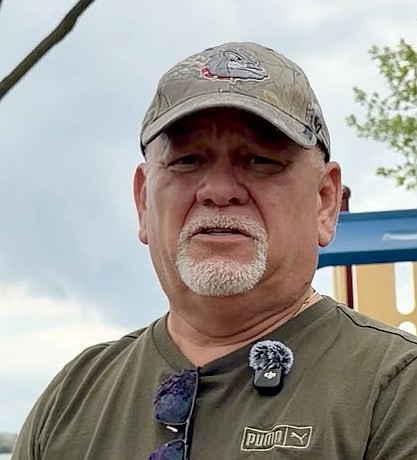
Sam Castro is the executive general manager of the Moses Lake Irrigation and Rehabilitation District.
NANCE BESTON/COLUMBIA BASIN HERALD
For decades, Moses Lake has been one of the Columbia Basin's greatest assets. It supports recreation, tourism, local businesses and a quality of life that attracts people to this region. Whether it's fishing, boating, swimming, or simply enjoying time on the water, Moses Lake plays an important role in our community and local economy.
It has also faced significant challenges.
For years, harmful algal blooms fueled by excess phosphorus have impacted water quality and raised concerns about the future of the lake. Residents have watched as blooms became more frequent, threatening recreation, aquatic health and public confidence in one of our region's most important natural resources.
In response, local leaders, conservation partners, scientists and elected officials came together to improve water quality in Moses Lake and address the phosphorus loading that has contributed to harmful algal blooms for decades. Thanks in large part to federal funding secured through the leadership of Congressman Dan Newhouse, local partners were able to move beyond studying the problem and begin implementing meaningful restoration efforts.
Today, those investments are producing measurable results.
Recent rehabilitation work has reduced phosphorus entering and circulating throughout the lake system. At Rocky Ford Creek, one of the primary sources of phosphorus entering Moses Lake, restoration efforts achieved up to 63 percent reduction in phosphorus concentrations. Within the lake itself, monitoring has shown significant declines in phosphorus levels by an average of 57 percent across 2024 and 2025. More than 15,900 pounds of phosphorus were targeted for inactivation through these efforts, helping reduce one of the primary drivers of harmful algal blooms. Much of this progress has been documented through monitoring conducted as part of the restoration project.
Just as importantly, residents and visitors have noticed the difference. Community members have reported clearer water, improved recreational conditions and fewer concerns during some of the busiest months of the year. While there is still work to do, these early results demonstrate that targeted, science-based restoration can produce meaningful improvements.
That should matter to everyone.
Too often, conversations about public funding focus solely on the dollars invested. Moses Lake offers an opportunity to focus on something equally important: results delivered. This project demonstrates that strategic investments, backed by sound science and strong partnerships, can improve water quality, protect recreation, support local businesses and strengthen a resource that is central to the Columbia Basin's identity.
At the same time, we should be careful not to mistake progress for completion.
Water quality restoration is not a one-time project. The phosphorus that accumulated over decades will not disappear overnight, and the environmental pressures facing Moses Lake have not gone away. Continued monitoring, management and restoration efforts will be necessary to protect the gains that have been achieved and ensure they continue into the future.
In many ways, we are now entering the most critical phase of this effort. We have moved beyond asking whether restoration can work and begun demonstrating that it does. We have data showing measurable improvements. We have a community that is beginning to see the benefits. We have a model that can continue producing results if we remain committed to the work.
The question now is not whether we should act. The question is whether we have the commitment to see this effort through.
As executive general manager of the Moses Lake Irrigation and Rehabilitation District, I have been approached by residents who have observed a remarkable improvement in the health of the lake including the fish community with some of the best bass and crappie fishing in years. While restoration work is ongoing, these observations align with the positive trends documented through project monitoring.
The investments made in Moses Lake have already produced measurable returns for the community. Walking away now would risk losing momentum at precisely the moment success is becoming evident. Instead, we should build on what we have learned and continue supporting a strategy that is delivering results.
The citizens of the Columbia Basin must call on elected leaders in Washington and Olympia to support efforts to restore Moses Lake. We are halfway there. Let’s get it done.
Sam Castro is the executive general manager of the Moses Lake Irrigation and Rehabilitation District. He oversees efforts to protect and improve Moses Lake and other critical water resources, working with local, state, and federal partners to advance long-term water quality and environmental stewardship initiatives.