
Why slow-cooked meals are becoming part of weekend home rituals again
Amy Kang | Bonner County Daily Bee | UPDATED 4 months AGO
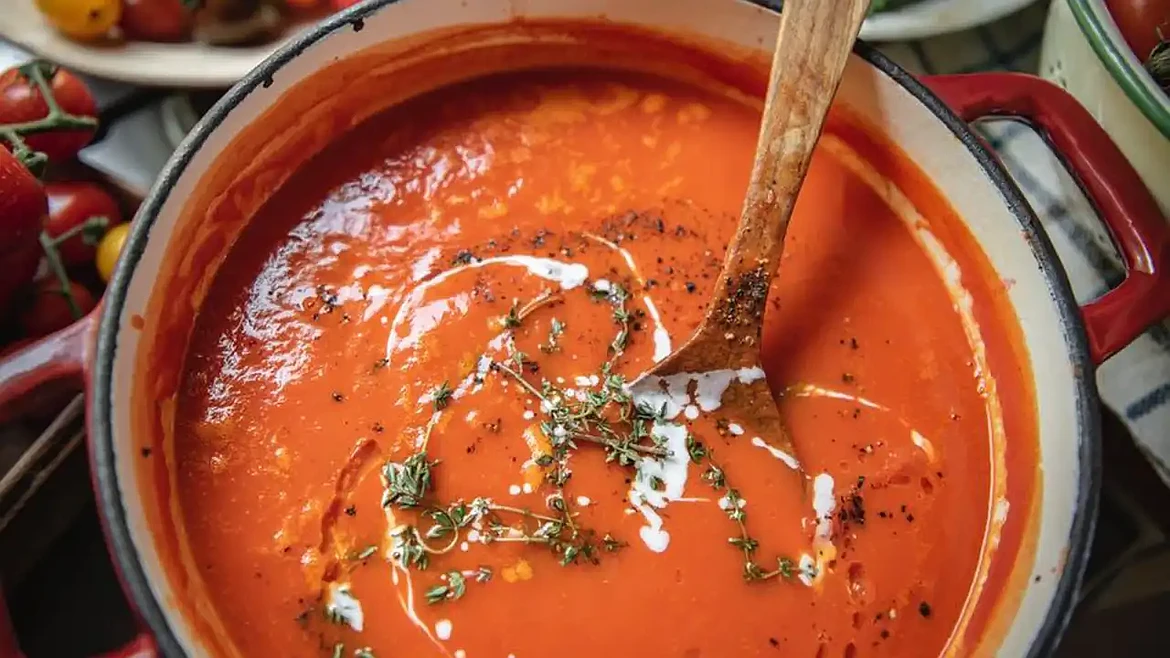
Slow-cooked meals are cheaper to make and are perfect to be shared once the lid comes off. They're also less invigorating because you don't have to stand over your stove all day.
The pressure at the grocery stores backs this data. A 2024 Harris Poll found that 83% of Americans said saving money on food had become a bigger priority, and 89% saw cooking at home as healthier than takeout. Slow cooking has been the answer; unlike takeout, you can get a few cheap ingredients and a long simmer to feed your whole family for less.
Slow-cooked meals also feel like a small luxury after years of grab-and-go meals. The smell of something cooking all afternoon makes an ordinary weekend feel like an occasion. With minimal effort, you can show care to your friends and family.
Delve into the resurgence of slow-cooked meals. Embrace the comforting taste and aroma that transform weekends!
Why Are Slow-Cooked Meals Making a Comeback?
Slow-cooked meals are making a comeback because of the comfort they offer and their affordability. These meals feel grounding since they ask for a little effort and give back as much.
This trend is becoming a habit. According to the FMI Foundation, more than 80% of Americans reported eating the same number of family meals or more than the year before, and over 90% expected to keep it up.
A few things are driving slow-cooked meals back onto weekend menus:
- Lower cost, since cheaper cuts and dried beans turn tender over time
- Less hands-on work, so the cook is free for most of the day
- Deep, layered flavor that quick methods rarely reach
- A link to traditional cooking that many people grew up with
All this shows why slow cooking is finding its way back into our menus.
What Are the Benefits of Slow Cooking?
Aside from convenience, there are other benefits of slow cooking. Slow cooking incorporates flavor into your meal by blending spices and aromatics in a way that fast cooking cannot compare. It also makes your meals softer; the low, steady heat breaks down dried beans and tough cuts.
The slow blending of fat, broth, and spices is what makes these dishes so filling. You also get to cut down on cooking every day and waste because you can make big batches that can serve you for days.
A pot of charro beans is a good example, since the pinto beans, bacon, and peppers simmer slowly into one rich dish. If you want a place to start, this charro beans recipe makes enough to cover lunches for days.
Home cooks come back to slow cooking for clear reasons:
- One pot means less cleanup and fewer dishes
- Big batches turn into easy leftovers and freezer meals
- Fewer wilted vegetables and less food thrown out
These meals remove the physical labor of constantly being in the kitchen.
How Do Slow-Cooked Meals Turn Weekends Into a Ritual?
The best part of a slow-cooked meal on a weekend is that it also gives the cook a chance to relax and join in conversations. This shared time is where a simple habit becomes a family tradition.
Research from Utah State University Extension links regular family meals to stronger bonds, better diets, and better performance in school. A shared meal does more than fill plates.
Weekends are a perfect time to set up your slow-cooked meal because there is no rush to clean up before the next task.
Building weekend meal traditions around slow cooking is easy to start:
- Keep a few simple slow cooker recipes on rotation
- Let kids add ingredients or set the table
- Pick one weekend night as your standing family meal
- Make extra so a neighbor or guest can join
Small, repeatable habits like these are what turn a good dinner into a weekly tradition.
Frequently Asked Questions
Which Foods Work Best for Slow Cooking?
Tougher cuts like chuck roast, pork shoulder, and short ribs do well because the long, low heat slowly breaks them down. Dried beans, root vegetables, and hearty greens also hold up for hours in the pot. Delicate items such as fresh herbs, dairy, and seafood are best stirred in near the end so they do not fall apart.
Is It Safe to Leave a Slow Cooker on All Day?
A slow cooker is built to run for hours unattended, which is a big part of its appeal. Start with thawed ingredients, keep the lid on, and place it on a heat-safe surface away from the wall. If you plan to leave the house, the low setting is the safer choice for long stretches.
Does Slow Cooking Use a Lot of Energy?
No, a slow cooker draws far less power than a full-size oven running for the same length of time. Most models use roughly as much electricity as a light bulb over several hours. That makes it a budget-friendly choice for long weekend cooking.
Can You Overcook Food in a Slow Cooker?
Yes, even gentle heat can dry out lean meat or turn vegetables to mush when the timer runs too long. Lean cuts and quick-cooking vegetables need shorter windows than a tough roast does. Checking near the end of the cooking time helps you avoid a mushy result.
Can You Prep Slow Cooker Ingredients the Night Before?
Yes, chopping vegetables and measuring spices ahead of time makes the morning much easier. Store the prepped ingredients in the fridge, then add them to the pot when you are ready to start. Just keep raw meat in a separate container until cooking time for food safety.
A Weekend Ritual Worth Keeping
Slow-cooked meals require little effort but give so much. This weekend recipe warms up your house, is affordable, and draws people to the table.
A hearty stew or a slow-cooked roast is a friendly first step since it is cheap, filling, and difficult to mess up. Set it going in the morning, gather everyone, and let the slow weekend meal become a tradition worth keeping. Follow us for more local stories that matter most to you and your family.
This article was prepared by an independent contributor which helps us continue delivering quality content to our audiences.