
Catastrophic injury claims are what rural work exposure often becomes
April D. Lee | Bonner County Daily Bee | UPDATED 4 months AGO
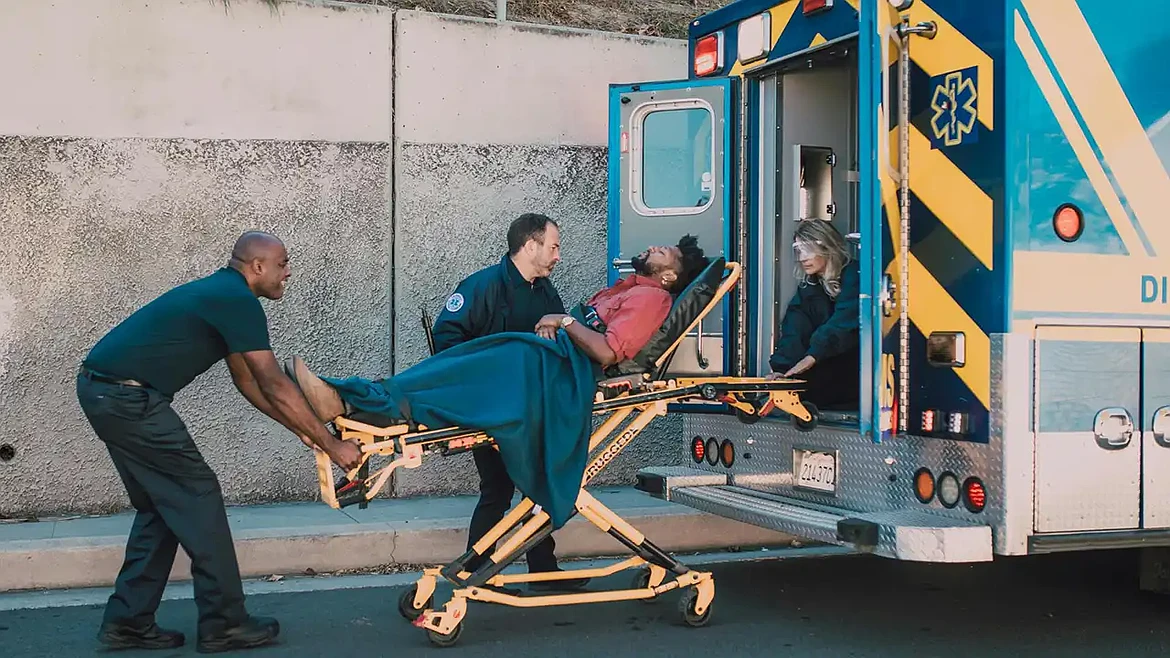
In many of the rural areas, serious accidents can happen with little to no warning. A falling tree, vehicle rollover, or equipment mistake can quickly lead to a life-altering injury. Catastrophic injury claims often arise from these events and require proof of severe harm, long-term care needs, lost income, and lasting effects on daily life.
These particular cases are very different from those that are routine claims because the impact can last for years or a lifetime. Families putting up with this often face immediate medical, financial, and insurance challenges, making clear documentation and very strong medical evidence of extreme importance. The incidents can be such a long and drawn-out headache.
Now, let's take a closer look at a few questions many may ask.
What Makes an Injury "Catastrophic" in a Legal Claim?
A catastrophic injury claim usually involves permanent or long-term harm. Common examples include:
- Traumatic brain injuries
- Spinal cord injuries
- Paralysis
- Severe burns
- Amputations
- Organ damage
- Vision loss
- Multiple fractures
Catastrophic injuries often affect a person's ability to:
- Work
- Care for themselves
- Enjoy life as before
A life-changing injury may also require more than hospital bills. A claim may need evidence of:
- Therapy
- Home changes
- Transportation needs
- Future surgery
- Medical devices
- Reduced income
Rural settings can make these claims more complex. Remote roads, long emergency response times, dangerous weather, and heavy equipment can affect how events unfold. A rural work injury may involve:
- Workers' compensation
- Third-party liability
- Product issues
- Landowner responsibility
What Evidence Matters Most After a Catastrophic Injury?
Strong evidence matters early. Families should document:
- The scene
- Medical treatment
- Work impact
- Daily changes
Documentation can help establish:
- Injury severity
- How the accident happened
- Treatment timelines
- Financial losses
- Future medical needs
- Pain and suffering
- Loss of quality of life
Important records may include:
- Accident photos
- Witness names
- Incident reports
- Medical records
- Imaging results
- Surgical reports
- Therapy plans
- Wage records
- Insurance letters
Good documentation can protect a family before an insurer defines the claim too narrowly. Rural injury cases often need clear proof because work sites, fields, woods, and roads can change quickly after an accident.
Why Rural Exposure Can Lead to Severe Claims
Rural life often blends work and recreation. Families may use:
- Chainsaws
- Tractors
- ATVs
- Boats
- Trucks
- Trailers
- Logging tools
Weather, slopes, mud, ice, and poor visibility can increase risk.
Logging work deserves special attention. Federal OSHA rules define logging operations broadly, including:
- Felling
- Limbing
- Bucking
- Yarding
- Loading
- Unloading
- Storing
- Transporting logs, machines, equipment, and personnel
OSHA also requires work to stop when storms, strong winds, heavy rain, snow, extreme cold, dense fog, fires, mudslides, darkness, or similar conditions create hazards.
A logging accident injury can involve:
- Falling trees
- Rolling logs
- Unstable machines
- Chainsaw use
- Loading failures
Federal Bureau of Labor Statistics data showed logging workers had a fatal work injury rate of 110.4 per 100,000 full-time equivalent workers in 2024, far above the 3.3 rate for all workers.
How Rural Work Injury Claims Differ From Routine Cases
A routine injury claim may focus on a short recovery. A catastrophic claim looks forward. It asks how the injury affects:
- Work
- Home life
- Mobility
- Thinking
- Caregiving
- Future care
A rural work injury may involve several legal paths. A worker may have a workers' compensation claim. Another claim may exist if a contractor, driver, equipment maker, landowner, or other party played a role.
Farm and agricultural injury sources often point to machinery accidents, livestock incidents, and chemical exposure claims as common rural injury matters. Tractor and machinery cases may require review of:
- Maintenance history
- Safety guards
- Operator training
- Manufacturer warnings
- Service records
- Recall notices
- Protective equipment
- Photos
- Eyewitness statements
What Compensation May Include
A personal injury settlement should reflect more than the first bills when injuries are permanent. A serious claim may include:
- Medical expenses
- Lost income
- Reduced earning capacity
- Pain
- Suffering
- Long-term care
- Loss of quality of life
Future needs often carry the highest stakes. Financial planning after a catastrophic injury may need to address:
- Current bills
- Ongoing medical expenses
- Reduced income
- Long-term care costs
Without planning, those needs can overwhelm a household budget.
People researching legal support may compare resources from a life-changing injury attorney to better understand how severe injury cases are evaluated.
Why Workers' Compensation May Not Be Enough
A workers' compensation catastrophic case can provide vital support after a job-related injury. Still, workers' compensation rules are different from personal injury rules. Benefits may cover medical care and wage loss, yet they may not fully account for:
- Pain
- Suffering
- Loss of enjoyment
- Every long-term family burden
A rushed settlement can harm a family when future care has not been measured. An early offer may look helpful during a financial crisis. Yet it may not cover:
- Future surgery
- Caregiving
- Therapy
- Equipment
- Lost career value
Frequently Asked Questions
How Long Can Catastrophic Injury Claims Take?
Catastrophic injury claims can take longer than routine cases because the future must be measured. Doctors may need time to:
- Confirm permanent limits
- Future surgery needs
- Long-term work restrictions
A settlement reached too early may miss major costs. Families should expect medical, vocational, and financial evidence to shape the timeline.
Why Do Rural Injury Cases Need More Investigation?
A rural work injury may involve several responsible parties. Rural cases may involve:
- Equipment
- Weather
- Land conditions
- Work crews
- Private roads
- Delayed emergency response
Investigation can include:
- Photos
- Maintenance records
- Safety rules
- Job logs
- Witness statements
- Expert review
Careful fact gathering helps explain how the injury happened.
Can a Family Member Help Build the Claim?
Yes. Family members often see changes that medical files do not show. Notes about sleep, memory, pain, mood, mobility, home tasks, and missed events can show the daily impact of a life-changing injury.
Family records should be:
- Dated
- Factual
- Consistent
Read More About Catastrophic Injury Claims and Rural Risk
Catastrophic injury claims deserve careful attention because rural injuries can affect health, income, family roles, and future independence. A severe injury from logging, farming, driving, recreation, or equipment exposure should be viewed through both medical and long-term financial lenses.
North Idaho families should understand the difference between a routine claim and a life-altering case. Clear records, early documentation, and careful review can help protect the full value of a claim.
Explore our other guides and articles on our website for more practical legal, safety, and community information.
This article was prepared by an independent contributor which helps us continue delivering quality content to our audiences.