
Why more homeowners want building materials with a story
April D. Lee | Daily Inter-Lake | UPDATED 7 hours, 45 minutes AGO
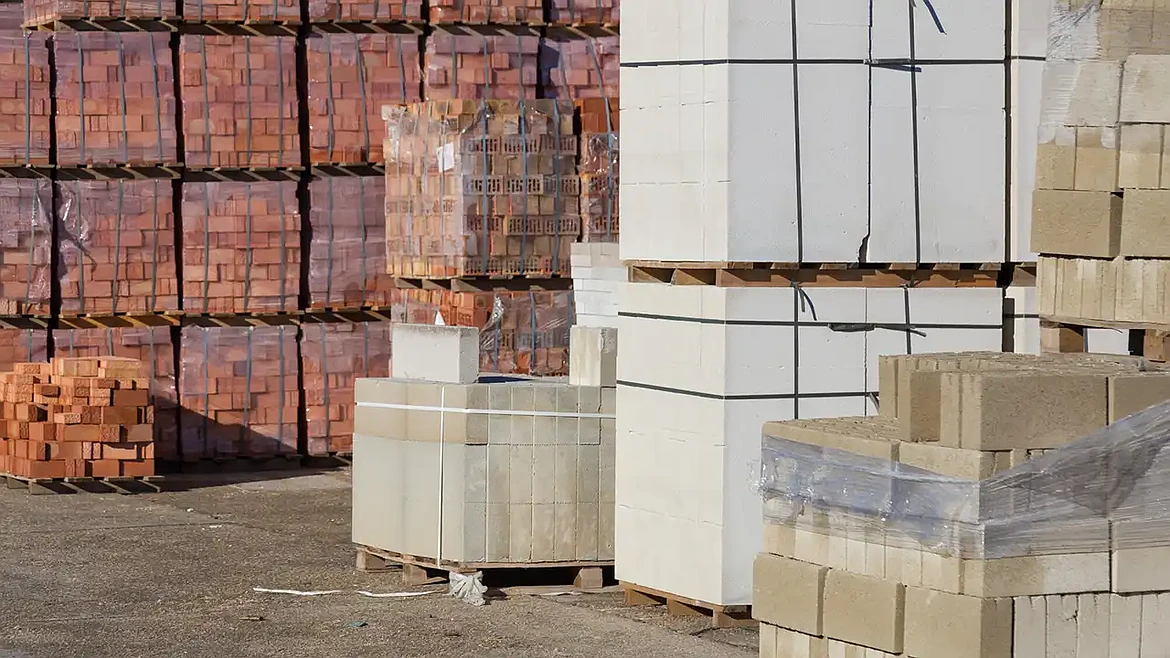
Homeowners want homes that feel personal, durable, and responsible. Reclaimed building materials help meet that demand because they bring age, texture, and history into modern spaces while supporting smarter reuse.
A plain room can look finished. A room with aged brick, old beams, weathered stone, or salvaged doors can feel remembered. More homeowners now want materials that carry signs of use because those details create warmth that new products often struggle to match.
Interest is also rising because renovation budgets are under pressure. A home addition project can be very expensive, which makes material choices a major planning issue for many households.
Homeowners want beauty, but they also want value. A material with a past can make a home feel richer without making every choice feel wasteful.
What Are Reclaimed Building Materials?
Reclaimed building materials are materials taken from older buildings, streets, barns, factories, warehouses, or homes and reused in new projects. They may include:
- Brick
- Stone
- Wood beams
- Doors
- Flooring
- Tile
- Metalwork
- Architectural details
These materials are different from new reproductions. Their value comes from:
- Age
- Craft
- Source
- Wear
A reclaimed beam may show old saw marks. A brick may carry color changes from decades of weather. A stone paver may have been walked on long before it reached a patio or garden path.
Homeowners often use these materials in:
- Accent walls
- Fireplaces
- Flooring
- Kitchen islands
- Garden paths
- Exterior entries
- Porches and patios
Why Use Reclaimed Materials in a Home?
Homeowners use reclaimed materials because they add character, reduce waste, and help create a more thoughtful design. Many also fit well with sustainable home design because reuse keeps usable materials in circulation longer.
Building and renovation work can leave behind excess:
- Wood
- Glass
- Concrete
- Brick
- Other materials
Leftover materials from renovation or demolition often end up in landfills when they are not reused. Reclaimed materials help reduce that loss.
They also support a design style that feels grounded. Modern material choices are now judged more by durability, efficiency, and long-term performance than by novelty alone. Reclaimed materials fit that mood because many have already proved they can last.
Cost Pressure Is Changing Homeowner Priorities
Rising construction costs have made homeowners more careful about every design decision. NAHREP reported that building material costs have increased 41.6% since the COVID-19 pandemic. Recent tariff actions were also estimated to add $10,900 to the cost of building a new single-family home.
Those numbers help explain why homeowners are asking harder questions. They want materials that provide:
- Style
- Function
- Long-term appeal
A home addition or renovation no longer feels like a simple cosmetic project.
Homeowners Want Character, Not Just Newness
New materials can look clean, but they may also feel flat. Vintage building materials offer depth because every mark has a source. Nail holes, faded color, uneven grain, and worn edges can make a room feel settled.
Designers often use reclaimed pieces to avoid a showroom look:
- A new kitchen can gain warmth from repurposed wood shelves.
- A modern entry can feel older and stronger with reclaimed stone.
- A fireplace can become the center of the room with aged brick.
Reuse Supports Eco-Friendly Renovation Goals
An eco-friendly renovation does not require every material to be rare or expensive. Often, the best step is using what already exists. Reclaimed brick, stone, and wood reduce demand for newly manufactured products and can lower the amount of material sent to disposal sites.
Common building materials include:
- Wood
- Steel
- Concrete
- Brick
It also explains that wood has been used for thousands of years and can offer insulation benefits, though it needs proper treatment when exposed to moisture. Reclaimed wood must still be inspected, cleaned, and finished correctly.
Older materials should never be chosen only for appearance. Homeowners should ask about structural use, moisture exposure, pests, lead paint, and code rules before installation.
Where Historic Materials Add the Most Value
Historic materials for homes often work best in places where texture and story can be seen. A reclaimed item hidden behind drywall may not add much visual value. A visible beam, floor, wall, or walkway can change the whole mood of a space.
Repurposed Wood
Repurposed wood works well for beams, mantels, shelves, flooring, ceilings, and furniture accents. It can add warmth to modern interiors without making the room feel rustic. Proper sealing helps protect it from moisture, stains, and wear.
Brick, Stone, and Cobblestones
Reclaimed brick and stone are popular for fireplaces, garden paths, mudrooms, patios, and entryways. Some homeowners research suppliers such as Chief Bricks when considering reclaimed cobblestones for outdoor or hardscape projects.
Salvaged Doors and Fixtures
Old doors, cabinet hardware, lighting, and trim can add charm in smaller ways. These items work well when homeowners want history without changing the full structure of a room.
Frequently Asked Questions
Are Reclaimed Building Materials Safe to Use?
Reclaimed materials can be safe when they are inspected, cleaned, and used correctly. Wood may need checks for:
- Pests
- Rot
- Old coatings
Brick and stone may need cleaning and grading before installation. Materials with lead paint, asbestos risk, or heavy contamination should be handled by qualified professionals. Safety depends on the:
- Source
- Condition
- Planned use
Do Reclaimed Materials Always Cost Less?
Reclaimed materials do not always cost less. Some salvaged items can be affordable, while rare pieces may cost more because of:
- Sourcing
- Cleaning
- Transport
- Preparation
Labor can also raise the total project cost if the material needs special installation. Homeowners should compare the full cost, not just the purchase price.
How Can Homeowners Mix Old Materials With Modern Design?
Homeowners can pair old materials with simple modern finishes.
A reclaimed wood mantel can stand out against clean walls. A vintage brick floor can balance sleek cabinets. A salvaged door can add charm to a plain hallway.
The best results often come from restraint. One strong reclaimed feature often works better than too many competing pieces.
Choose Reclaimed Building Materials With Care
Reclaimed building materials are gaining attention because they offer more than surface style. They bring history, texture, and purpose into spaces that may otherwise feel too new or too plain. They also support smarter reuse at a time when homeowners are watching budgets, waste, and long-term value more closely.
Explore more of our guides and articles for practical home, design, and renovation insights.
This article was prepared by an independent contributor which helps us continue delivering quality content to our audiences.