
Lead by Example
HARVEY MACKAY | Coeur d'Alene Press | UPDATED 1 month, 3 weeks AGO
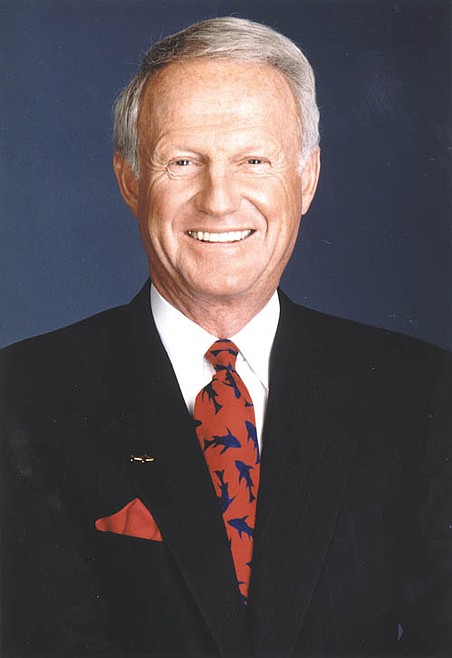
Harvey Mackay
Marshall Field, who founded the famous retail chain, always told employees there were 12 things to remember. One of them was “The influence of example.”
In other words, set a good example and you can leave a lasting mark.
How many times have we heard the advice “Do as I say, not as I do”? We lead by example, whether in business, family or friendships. So why would we expect anyone to do as we say, not as we do?
The more realistic adage says, “Monkey see, monkey do.” That’s how most kids learn. And kids as they grow up usually continue to follow examples set for them.
Famous child psychiatrist Fritz Redl used to instruct groups of parents: “Get out your paper and pencils. I am going to tell you the three most important things you will ever need to know about raising children: example, example and example.”
It doesn’t matter if you’re raising children or managing people, setting a good example is among the most important leadership skills. When leaders demonstrate the values and behaviors they wish to see in their employees, it creates a clear standard for everyone to follow. Leadership by example fosters trust, respect and motivation within the team. Employees are more likely to emulate the positive actions of their leaders, creating a cohesive and productive work environment.
Leaders who embody the values they preach inspire their teams not just to work harder, but to work smarter and with integrity.
Years ago, I noticed that one of our departments was experiencing high turnover rates. After speaking with some of the team members, it became evident that the root cause was a lack of recognition and understanding from management.
To address this, I decided to spend a day working alongside the team. I wanted to understand their daily challenges and show them that their efforts were valued. Throughout the day, I engaged in conversations, asked questions and listened to their concerns. This hands-on approach allowed me to gain a deeper appreciation for their hard work and the obstacles they faced.
After my day with the team, I organized a meeting where I shared my observations and expressed genuine gratitude for their contributions. I also implemented a recognition program to regularly acknowledge their achievements and introduced more flexible work arrangements to address their concerns.
By demonstrating empathy and understanding, I was able to foster a more supportive and appreciative work environment. Over time, the turnover rate decreased significantly, and the team’s morale and productivity improved.
Setting an example for employees involves consistently demonstrating the behaviors and values you want to see in your team. Here are some ways I focus on setting an example:
Demonstrate integrity through honesty and transparency. Always communicate openly and honestly, even when it’s difficult. This builds trust and encourages others to do the same.
Show commitment via work ethic. Be the first to roll up your sleeves and tackle challenges. Show dedication to your work and the organization’s goals to inspire similar dedication in your team.
Practice empathy. Take the time to listen to employees’ concerns and provide support. This creates a culture of care and respect.
Encourage personal development. Engage in lifelong learning and professional development. Share your learning journey with your team to motivate them to pursue their own growth.
Foster teamwork. Actively collaborate with others and encourage open communication. Show that you value everyone’s input and foster an environment where teamwork thrives.
Maintain a positive attitude. Approach challenges with a positive outlook and resilience. This sets the tone for how your team handles obstacles.
If it sounds like leadership is taking lessons from employees, consider your leadership style a success. Confident leaders recognize that they still have plenty to learn.
Set a good example, and you can leave a lasting mark. Consider the duck. A duck is perhaps 2 feet long. Watch it move through water on a lake, and while you may not be able to see it paddling furiously below the surface, the wake a duck leaves behind fans out about 40 degrees, and the ripples follow for 50 feet or so. That duck leaves a wake nearly 600 times its size!
Now consider your actions. Will your example have the same effect?
Mackay’s Moral: People may doubt what you say but they will believe what you do.
• • •
Harvey Mackay is the author of the New York Times bestseller “Swim With the Sharks Without Being Eaten Alive.” He can be reached through his website, www.harveymackay.com, by emailing [email protected] or by writing him at MackayMitchell Envelope Co., 2100 Elm St. SE, Minneapolis, MN 55414.