
As Americans live longer, healthy aging is taking center stage
April D. Lee | Daily Inter-Lake | UPDATED 5 hours, 32 minutes AGO
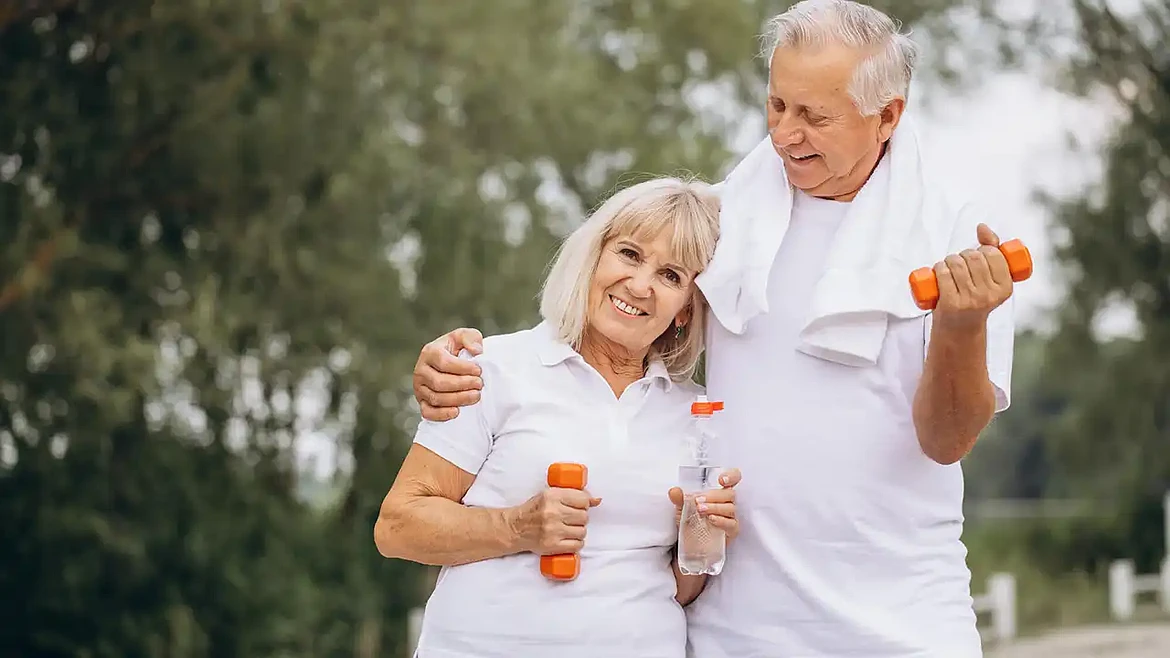
Healthy aging now means more than adding years to life. It means protecting strength, independence, memory, purpose, and daily quality of life as more Americans focus on living longer with better health.
Nearly half of Americans age 65 and older say they are aging extremely well or very well, according to the Pew Research Center's 2025 survey on aging. Pew placed the share at 49%, showing that many older adults view later life with confidence, not fear.
A longer life can be a gift, but only when health can keep pace with time. More Americans are reaching older ages, and many are asking a deeper question. How can people stay active, clear-minded, connected, and independent as the years add up?
Healthy aging is not about chasing youth. It is about building a stronger future with practical choices made over time.
What Are the Main Pillars of Healthy Aging?
Strong aging plans do not depend on one habit alone. They work best when daily routines support the body, brain, and emotional life at the same time. The main pillars of healthy aging include:
- Movement
- Nutrition
- Preventive care
- Mental health
- Social connection
- Purpose
A strong plan may include:
- Regular walking and strength exercises
- Balanced meals with protein and plants
- Annual health visits and screenings
- Reading and learning new hobbies
- Time with friends, family, or community groups
How Can People Age Well as They Live Longer?
People can age well by treating longevity as a planning issue, not a surprise. A longer life affects:
- Health routines
- Housing
- Finances
- Caregiving
- Social life
- Medical decisions
A good senior lifestyle should support independence before a crisis happens.
Life expectancy is part of the reason the conversation has changed. CDC data showed U.S. life expectancy reached 79.0 years in 2024, up from 78.4 years in 2023.
Longer lives require better daily systems. People may need:
- Safer homes
- Clearer medication routines
- Better transportation options
- Stronger support networks
Medicare choices, retirement planning, and care access can also become part of the broader aging conversation. Resources such as Key2Medicare may appear in research when older adults compare coverage topics and health planning needs.
Aging well becomes easier when people plan early instead of waiting for health problems to force decisions.
Why Healthy Aging Is Now a Public Priority
The world is getting older fast. By 2030, one out of every six people worldwide will be age 60 or older, according to the World Health Organization.
Population aging affects:
- Families
- Health systems
- Employers
- Housing markets
- Local communities
Longer lives can bring wisdom, skill, and leadership. Yet longer lives also increase demand for:
- Chronic disease care
- Fall prevention
- Caregiver support
- Transportation
- Age-friendly public spaces
WHO notes that healthy behaviors across life, including balanced eating, regular physical activity, and avoiding tobacco, can reduce noncommunicable disease risk and delay care dependency.
A healthier aging future depends on more than personal willpower:
- Communities need safe places to walk.
- Older adults need access to care.
- Families need reliable information.
Workplaces and neighborhoods need to value older people as contributors.
Mindset Shapes the Senior Lifestyle
A positive view of aging does not erase real health issues. It can still influence how people respond to change.
Yale researchers challenged the belief that aging only means decline. Their study found that nearly half of adults age 65 and older improved in cognitive function, physical function, or both over time.
The same Yale report found that 45% of participants improved in at least one area over as many as 12 years. About 32% improved cognitively, and 28% improved physically.
Income, Health, and Access Shape Life Expectancy Trends
Life expectancy trends are not only medical. Money, housing, food access, transportation, and social support can change how aging feels.
Pew found clear income gaps in older adults' aging experiences. About 61% of upper-income older adults said they were aging extremely or very well. The share dropped to 51% for middle-income adults and 39% for lower-income adults.
The gap also affects:
- Physical health
- Mental health
- Cognitive health
- Retirement confidence
Older adults with higher incomes were more likely to rate their physical and mental health highly and feel financially secure for retirement.
A better aging policy should account for those differences. A person cannot follow every wellness recommendation if food, medicine, appointments, or safe housing are out of reach.
Daily Habits Still Make a Measurable Difference
Strong habits remain the foundation of health and wellness in later life. People who have been inactive can gain fitness and well-being benefits by increasing activity in ways that fit their abilities.
Nutrition also matters more with age. Choose the following nutrition plan:
- Whole-food
- Plant-forward eating patterns with fruits
- Vegetables
- Lean protein
- Whole grains
- Healthy fats
- Calcium
- Vitamin D
- Fewer ultra-processed foods
Brain health also needs routine. Reading, classes, journaling, complex conversations, and social engagement can help keep the mind active.
Frequently Asked Questions
At What Age Should People Start Focusing on Healthy Aging?
People should begin focusing on healthy aging before retirement. Midlife is a strong time to build habits that protect:
- The heart
- Brain
- Bones
- Muscles
Earlier action gives the body more time to benefit from:
- Better food
- Exercise
- Sleep
- Preventive care
Older adults can still make progress as well. It is never too late to start improving activity in ways that match ability.
What Is the Biggest Mistake People Make When Planning for Aging?
The biggest mistake is planning only for lifespan and not healthspan. A person may save for retirement but ignore:
- Mobility
- Social support
- Home safety
- Chronic disease prevention
A better plan includes:
- Medical checkups
- Fall prevention
- Friendships
- Hobbies
- Clear care preferences
How Does Social Connection Support Aging Well?
Social connection supports memory, emotional health, and daily purpose. Regular conversations make the brain:
- Listen
- Process
- Remember
- Respond
Community groups, volunteering, friendships, and family contact can reduce isolation.
Make Healthy Aging Part of a Stronger Future
Healthy aging has become a national conversation because longer lives require better choices, stronger planning, and more supportive communities. Movement, nutrition, prevention, connection, mindset, and access to care all shape how later life unfolds.
A longer life should not be measured only by birthdays. It should also be measured by independence, purpose, safety, clarity, and meaningful relationships. Explore our other guides and articles for more practical insights on health, aging, lifestyle, and everyday planning.
This article was prepared by an independent contributor which helps us continue delivering quality content to our audiences.