
Beyond the checklist: Why safety training is becoming central to workplace culture
Stephanie Heron | Coeur d'Alene Press | UPDATED 6 hours, 58 minutes AGO
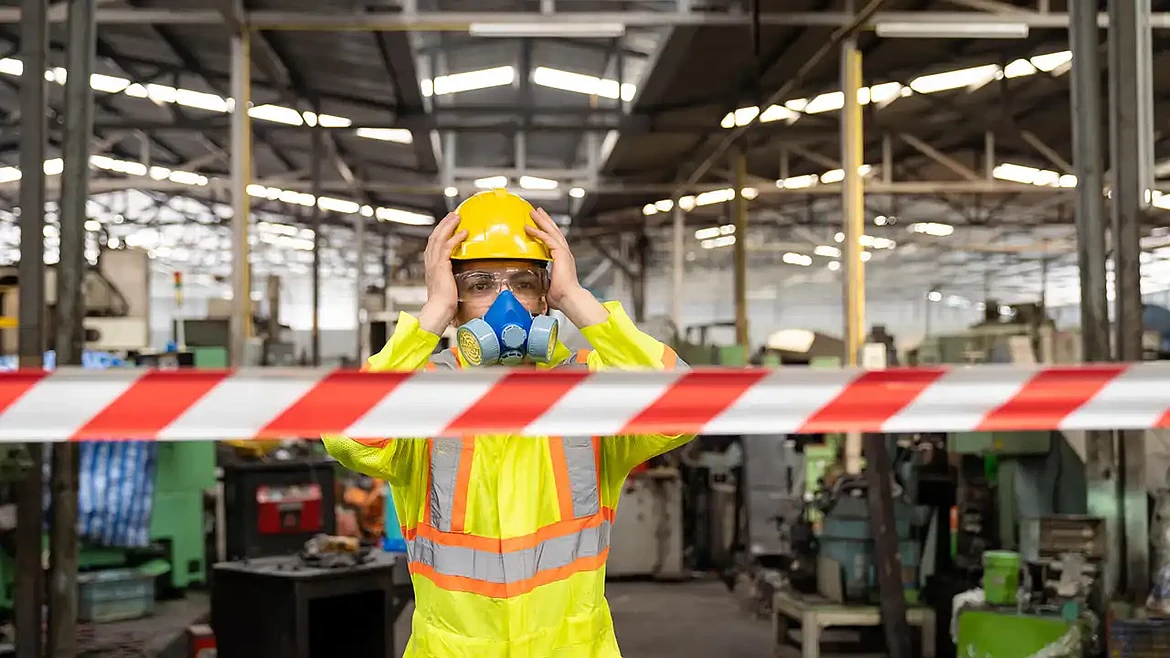
Safety training is becoming central to workplace culture because it strengthens employee confidence and decision-making, and ongoing training helps organizations adapt to changing risks. It also supports better collaboration across teams, and a strong program enhances organizational reputation.
The US Bureau of Labor Statistics reports that in 2024, a worker died every 104 minutes from a work-related injury. This was an increase from every 99 minutes in 2023.
Not only do employees suffer fatalities, but also serious injuries. These can have lasting effects on their daily life, and they can affect their performance at work, too.
Employers are now fighting to reduce work-related injuries and fatalities with improved safety training.
What Is Safety Training?
Safety training is the process of educating employees on how to recognize workplace hazards, follow safe work procedures, and respond appropriately during emergencies. Its primary purpose is to reduce the risk of:
- Injuries
- Illnesses
- Equipment damage
- Other workplace incidents
Effective safety training doesn't just focus on one thing, either. In addition to classroom instruction, the training also involves hands-on demonstrations and simulations. There are regular refresher courses as well.
Topics usually include:
- Proper use of personal protective equipment (PPE)
- Hazard communication
- Fire safety
- Emergency evacuation
- Machine operation
- Ergonomics
- Industry-specific risks
Safety training should be updated whenever new equipment, procedures, or regulations are introduced.
Why Is Safety Culture Important in the Workplace?
Now that you know what safety training entails, the next thing to learn is why it's vital for safety culture at work. These are the reasons why this type of training is becoming central to workplace culture.
Safety Training Strengthens Employee Confidence and Decision-Making
Safety training does more than teach employees how to avoid hazards; it equips them with the confidence to make sound decisions in unfamiliar or high-pressure situations. Workers who understand workplace procedures, equipment operation, and emergency protocols are less likely to panic when unexpected issues arise.
By enhancing safety protocols, employers can enable their workers to respond calmly and follow established procedures to protect both themselves and those around them. This confidence can then lead to greater job satisfaction because employees feel supported and prepared to perform their duties safely.
Ongoing Training Helps Organizations Adapt to Changing Risks
Modern workplaces evolve constantly, and this often introduces new hazards that employees may not have encountered before. Without workplace safety innovation, they'd need a Houston catastrophic injury law firm to get fair compensation for the injuries they suffer.
Before it gets to this point, regular safety training ensures that workers stay informed about:
- Updated procedures
- Regulatory requirements
- Best practices
It also prepares them to safely integrate new machinery, software, or production methods without increasing the likelihood of accidents.
Instead of treating safety as a one-time orientation topic, organizations that provide ongoing education can quickly address emerging risks before they become huge problems.
Safety Training Supports Better Collaboration Across Teams
Many workplace incidents occur because of communication breakdowns. This means that for safety culture transformation to happen, workplaces need to help employees understand how their responsibilities connect with those of coworkers, contractors, supervisors, and other departments.
They can do this through:
- Group exercises
- Emergency drills
- Standardized procedures
This shared understanding improves teamwork during both routine operations and unexpected situations. Employees become more comfortable asking questions and confirming procedures, and this helps them follow safe practices.
As collaboration improves, businesses experience smoother workflows, faster problem-solving, and most importantly, fewer misunderstandings that could otherwise create unnecessary safety risks or operational delays.
A Strong Training Program Enhances Organizational Reputation
Companies with comprehensive safety training programs often earn greater trust from employees, customers, business partners, and regulators. Demonstrating effective safety strategies shows that a business values responsible operations and employee well-being.
A positive safety reputation can then improve recruitment by attracting job candidates who want to work in a supportive environment. This can also increase employee retention by fostering trust and engagement.
In addition, clients and partners may feel more confident working with organizations that prioritize safe practices. Investing in high-quality safety training contributes to fewer workplace incidents and stronger business relationships, as well as improved credibility and a more competitive position in the marketplace.
Frequently Asked Questions (FAQs)
What Are the 5 Principles of Safety?
The five principles of safety provide a foundation for preventing workplace accidents and creating a safer environment for everyone. They are:
- Hazard identification: Recognizing potential dangers before they cause harm
- Risk assessment: Evaluating how likely a hazard is to result in an incident and how severe the consequences could be
- Risk control: Focusing on eliminating or minimizing hazards using methods such as engineering controls, administrative procedures, or PPE
- Training and communication: Ensuring employees understand workplace risks, safe operating procedures, and emergency response protocols
- Continuous improvement: Encouraging organizations to regularly review incidents, conduct inspections, gather employee feedback, and update safety practices as conditions change
Why Is It Important for Safety Culture To Begin at the Top of the Organization?
A strong safety culture has to begin at the top of the organization because employees typically follow the priorities demonstrated by managers and executives.
Leadership commitment is demonstrated by:
- Allocating resources for training
- Maintaining equipment
- Enforcing safety policies consistently
- Participating in safety initiatives themselves
By setting an example at the top, organizations foster trust and accountability.
What Are the 5 Types of Safety Culture?
The five types of safety culture can reflect how deeply safety is embedded within daily operations. They are:
- Pathological: Views safety as a burden and focuses only on avoiding penalties after incidents occur
- Reactive: Takes action following accidents but does little to prevent future problems proactively
- Calculative: Introduces formal safety systems, policies, and procedures, relying heavily on compliance and documentation
- Proactive: Actively identifies potential hazards before incidents happen, encourages employee involvement, and continuously seeks improvement
- Generative: Represents the highest level of safety maturity, where safety is integrated into every decision, workers at all levels take ownership of risk management, and continuous learning drives ongoing improvement
Safety Training Is Essential
Organizations that want to have an excellent reputation, keep good employees, and maintain productivity must invest in quality safety training. This can have a ripple effect on workplace culture, and it can instill trust in all stakeholders.
Check out the rest of our pages for more informative posts.
This article was prepared by an independent contributor which helps us continue delivering quality content to our audiences.