
Hazardous environments are driving a new era of workplace safety
Stephanie Heron | Bonner County Daily Bee | UPDATED 6 hours, 58 minutes AGO
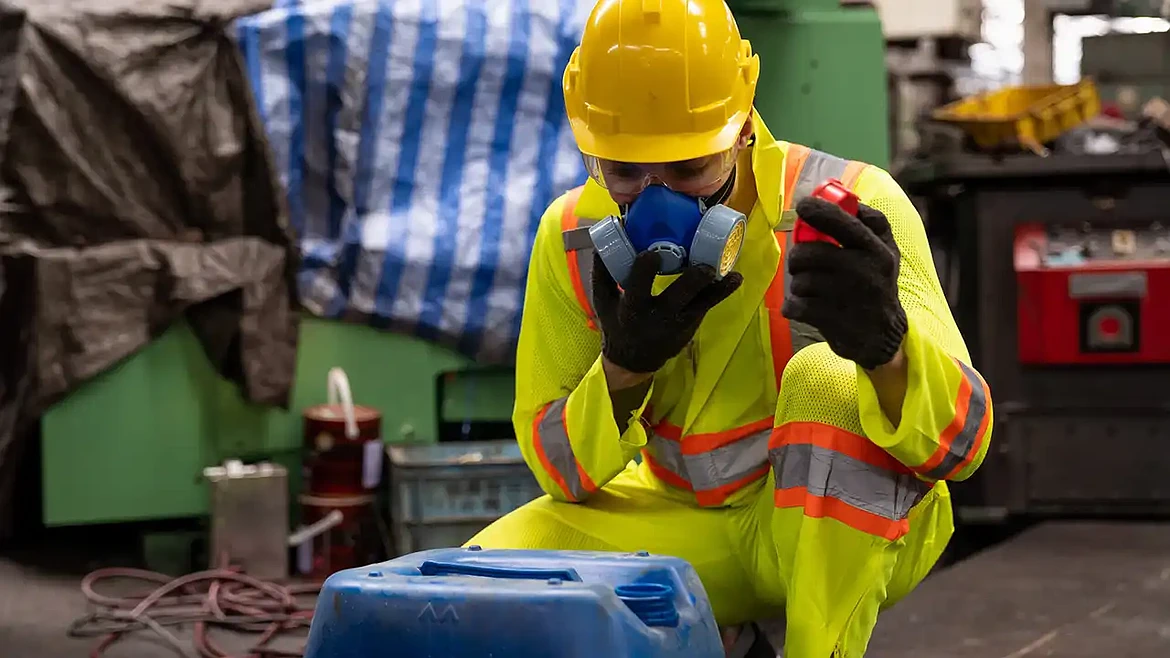
Hazardous environments are driving a new era of workplace safety with the rise of predictive safety technology and a shift from reactive compliance to a proactive safety culture. There's also the expansion of automation and robotics in high-risk tasks and the integration of real-time risk management systems.
According to the US Bureau of Labor Statistics, there were 2.6 total recordable cases of nonfatal occupational injuries and illnesses across all industries per 100 full-time workers. This number adds up, which means that a large number of employees go through harrowing incidents every year.
Not every accident or illness is preventable, but many happen due to hazardous environments, which can often be made safer.
What Are Hazardous Environments?
Hazardous environments are workplaces where employees are exposed to conditions, substances, or activities that have the potential to cause injury, illness, property damage, or environmental harm if they aren't properly controlled. They can either be obvious (e.g., working around heavy machinery) or less visible (e.g., prolonged exposure to excessive noise).
These environments exist across many industries, ranging from construction and manufacturing to healthcare and agriculture. Even office settings can be hazardous when you consider factors like electrical risks and ergonomic strain.
A workplace becomes hazardous when risks aren't identified, assessed, and managed, so it's understandable why hazardous environments can pop up anywhere.
How Are Hazardous Environments Driving a New Era of Workplace Safety?
The good news is that employers and overall industries are recognizing the dangers at work, and they're taking proactive steps to mitigate them. Here are the key ways they're improving employee safety.
Rise of Predictive Safety Technology in Hazardous Workplaces
Hazardous environments are accelerating the adoption of predictive safety technologies that anticipate risks before incidents occur. Instead of relying solely on inspections or post-incident reporting, workplaces are using things like RKI gas detection equipment, sensors, wearable devices, and AI-driven monitoring systems to detect early warning signs of danger.
These safety technology advancements let teams intervene before an incident happens, rather than react after the fact. As hazardous environments become more complex, predictive tools are becoming essential for not only reducing downtime but also improving decision-making. This can create a more responsive and data-driven approach to workplace safety management.
Shift From Reactive Compliance to Proactive Safety Culture
Safety standards used to be reactive in workplaces, focusing on compliance and incident response. They're now moving toward a proactive safety culture that prioritizes prevention at every level.
Instead of treating safety as a checklist or regulatory requirement, organizations are embedding it into daily decision-making and operational planning. This includes:
- Empowering employees to actively identify risks
- Encouraging near-miss reporting
- Integrating safety discussions into routine workflows
This cultural shift helps reduce the normalization of risk, where unsafe conditions are tolerated over time. A proactive safety culture can strengthen accountability and improve communication between teams. This ensures that safety is viewed as a shared responsibility rather than a top-down mandate.
Expansion of Automation and Robotics in High-Risk Tasks
One of the biggest changes is the increased use of automation and robotics to remove workers from dangerous tasks altogether. Industries are deploying robotic systems for activities such as:
- Material handling
- Welding
- Demolition
- Confined-space inspection
This reduces direct human exposure to high-risk conditions.
Autonomous machinery can also operate in environments that are:
- Unstable
- Toxic
- Physically demanding
In addition, remote-controlled systems allow operators to manage tasks from safe distances.
Not only has this shift reduced injury rates, but it's also improved consistency and precision in operations. Even smaller workplaces are adopting robotic tools to handle repetitive or hazardous processes.
Integration of Real-Time Risk Management Systems
Hazardous environments are driving the development of integrated, real-time risk management systems that centralize safety data across entire operations. Instead of relying on fragmented reporting tools or delayed inspections, businesses are now using unified platforms that combine:
- Incident reporting
- Equipment monitoring
- Training records
- Environmental data
Since supervisors have instant visibility into hazard awareness, this enables them to make faster and more informed decisions.
Mobile accessibility also lets frontline workers report hazards immediately from the field. This integration helps eliminate communication gaps between departments and ensures that safety information is consistently updated.
Frequently Asked Questions
What Are the Different Types of Hazardous Environments?
The different types of hazardous environments are categorized based on the types of risks employees face. They are:
- Physical hazards: Extreme temperatures, excessive noise, vibration, radiation, and unguarded machinery that may cause immediate injury
- Chemical hazards: Exposure to toxic gases, flammable liquids, corrosive substances, and hazardous dust that can affect health through inhalation, skin contact, or ingestion
- Biological hazards: Bacteria, fungi, mold, and other infectious agents
- Ergonomic hazards: Result from repetitive motions, awkward postures, improper lifting techniques, or poorly designed workstations
- Psychosocial hazards: Include workplace stress, fatigue, harassment, violence, excessive workloads, and poor organizational practices
What Are the 5 Major Hazards in the Workplace?
The five major workplace hazards are:
- Falls: Can occur from ladders, roofs, scaffolding, or slippery surfaces
- Struck-by incidents: Happen when workers are hit by moving vehicles, falling tools, or flying debris
- Caught-in or caught-between hazards: Occur when employees become trapped in machinery, crushed between equipment, or pinned by collapsing materials
- Electrical hazards: Include contact with exposed wiring, overloaded circuits, damaged equipment, or overhead power lines
- Exposure to harmful substances or environments: Includes toxic chemicals, excessive dust, dangerous fumes, oxygen-deficient confined spaces, and extreme temperatures
What Are the 3 Cs of Workplace Safety?
The three Cs of workplace safety allow organizations to create a stronger safety culture that helps prevent accidents, improves compliance, and protects both employees and business operations. They are:
- Competence: Ensuring employees have the knowledge, skills, certifications, and practical training needed to perform their jobs safely
- Communication: Clearly sharing safety procedures, hazard warnings, emergency response plans, and reporting processes
- Commitment: Refers to the ongoing dedication of both management and employees to maintaining a safe workplace through consistent policy enforcement, regular inspections, continuous improvement, and personal accountability
Being Proactive About Hazardous Environments Is Necessary
No longer are workplaces being reactive about hazardous environments. By focusing on risk mitigation and safer alternatives (such as automation and robotics), organizations can ensure that their workers stay happy, healthy, and safe.
If you want more interesting content, please look at our other pages now.
This article was prepared by an independent contributor which helps us continue delivering quality content to our audiences.