
Oilfield injuries are the fine print on every six-figure oil job
Nicole Melchionda | Daily Inter-Lake | UPDATED 4 months AGO
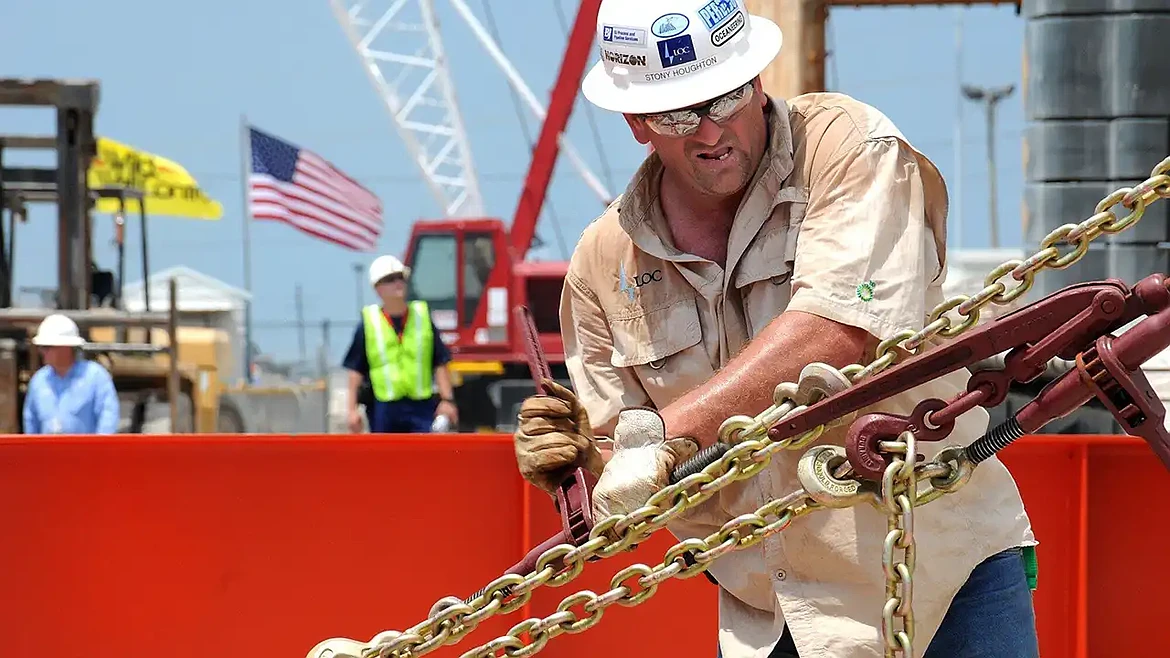
There's no denying that lucrative oilfield jobs often come with serious physical risks that are easy to overlook amid the hiring pitch. High wages tend to prove such dangerous working conditions, where even just one slip-up can lead to a major accident or long-term oilfield injuries.
While oilfield work continues to draw workers because of its sizable earning potential, the physical toll is built into the job itself. Still, some people find the work fulfilling once they've gotten used to it. However, fully understanding the true weight of that tradeoff is crucial before stepping onto a rig or accepting a field position.
Why Exactly Do Oilfield Jobs Pay So Much?
It's a not-so-well-kept secret that oilfield jobs pay premium wages because they demand tough work in harsh, remote, and often unstable areas. Workers may be:
- Stationed far from medical facilities
- Exposed to extreme weather
- Required to operate heavy machinery under pressure and tight deadlines
The norm involves everything from long shifts and rotating schedules to physically demanding tasks. Fatigue can set in fairly quickly and increase the likelihood of mistakes and accidents. Employers offer higher compensation in part to offset these risks and to attract workers despite the difficult conditions.
The skill requirements for these positions also contribute to pay levels. Numerous positions call for specialized training in the following and more:
- Equipment operation
- Drilling procedures
- Safety protocols
The combination of technical expertise and physical endurance helps explain why six-figure salaries are possible in the industry.
What Are the Most Common Oil Rig Injuries?
All kinds of hazards surround oil rig environments. Falls from elevated platforms are one of the most frequent types. They can result in everything from broken bones and head trauma to long-term mobility problems.
Burns and explosions constitute another major risk, especially when flammable gases or liquids are involved. Even small ignition sources, such as a lighter, can lead to disastrous outcomes in confined or pressurized areas.
Crush injuries often occur when workers get caught between heavy machinery or moving equipment. Electrical accidents are also common due to complicated wiring systems alongside wet working conditions. Chemical exposure is yet another danger, especially when handling drilling fluids or industrial solvents.
Repetitive strain injuries develop over time, affecting the following due to constant lifting and mechanical work:
- Joints
- Muscles
- Tendons
The severity of an oilfield injury can vary quite a bit, but even relatively minor incidents can worsen without immediate treatment.
Is It Possible to Fine-Tune Oil and Gas Worker Safety?
The good news is that it's possible to make oil and gas workers safer. However, it hinges on consistent training, stricter enforcement of protocols, and a general culture of safety. In addition to equipment training, workers must be able to pinpoint hazards before they turn into deadly emergencies.
Workers should always have dependable personal protective equipment, including the following:
- Helmets
- Gloves
- Flame-resistant clothing
- Eye protection
Even if an accident occurs, the above can reduce the severity of injury. Routine inspections of machinery and drilling systems help uncover mechanical failures well before they cause harm.
While fatigue is unavoidable, employers can use structured schedules that enforce necessary rest periods. With proper rest, workers can feel more energetic and alert, which will go a long way toward shrinking the likelihood of mistakes.
Frank communication procedures also matter. Workers should feel free to report hazards without a moment's hesitation and receive immediate feedback or corrective action in return. In serious cases, injured workers may consult a Houston oilfield injury lawyer to assess their legal options when safety failures cause harm.
Emergency preparedness should serve as the safety framework of the job. All of the following can reduce the long-term impact of an incident when accidents happen in spite of precautions:
- Rapid response plans
- Evacuation procedures
- Onsite medical readiness
Your Rights After a Workplace Injury
If an injury occurs on the job, reporting it without delay makes all the difference. Employers often require timely notification so that professionals can document and investigate such incidents. There's no denying that delays in reporting might complicate future claims.
Even if you think your injuries aren't too bad, you should always receive a proper medical evaluation. After all, some conditions worsen over time or don't show symptoms until later on. Accurate medical records can also back up any future workplace injury claim.
Compensation options vary depending on employment classification and insurance coverage. Some workers may be eligible for wage replacement, medical expense coverage, or disability benefits. Comprehending these rights ahead of time helps prevent financial strain as you recover.
Frequently Asked Questions
Can I Still Receive Compensation If I Was Partially at Fault?
Compensation eligibility depends on your state's regulations and the structure of your employer's insurance coverage. Partial responsibility doesn't always negate the possibility of recovery. However, it might affect the amount awarded depending on relevant laws.
Speaking with a trusted legal professional can help clarify how shared fault may affect a specific case.
How Long Do I Have to Report an Oilfield Injury?
Precise reporting deadlines vary from employer to employer, but most of them require either immediate notification or reporting within a short timeframe.
Legal deadlines for filing claims may also apply, which is why fast action is so vital. Reporting an injury as soon as possible helps to do the following:
- Preserve evidence
- Support accurate documentation
- Reduces the likelihood of disputes later
Are Contractors Covered After Oilfield Accidents?
Coverage depends on your contract terms and any insurance arrangements you might have.
Some contractors may be eligible for workers' compensation or other benefits, while others might need to pursue claims through other legal channels.
It's Time to Avoid Oilfield Injuries
While oilfield injuries can happen even with the proper precautions, better training and vigilance go a long way toward reducing their severity. If something happens to you, make sure that a legal professional guides you on the next steps and protects your best interests.
Our publication provides readers with the latest news on a range of staple topics, from business and entertainment to lifestyle and beyond. We invite you to subscribe so that you'll never miss out on fresh content.
This article was prepared by an independent contributor which helps us continue delivering quality content to our audiences.