
Why more people are taking concussion symptoms seriously than ever before
April D. Lee | Daily Inter-Lake | UPDATED 6 hours, 42 minutes AGO
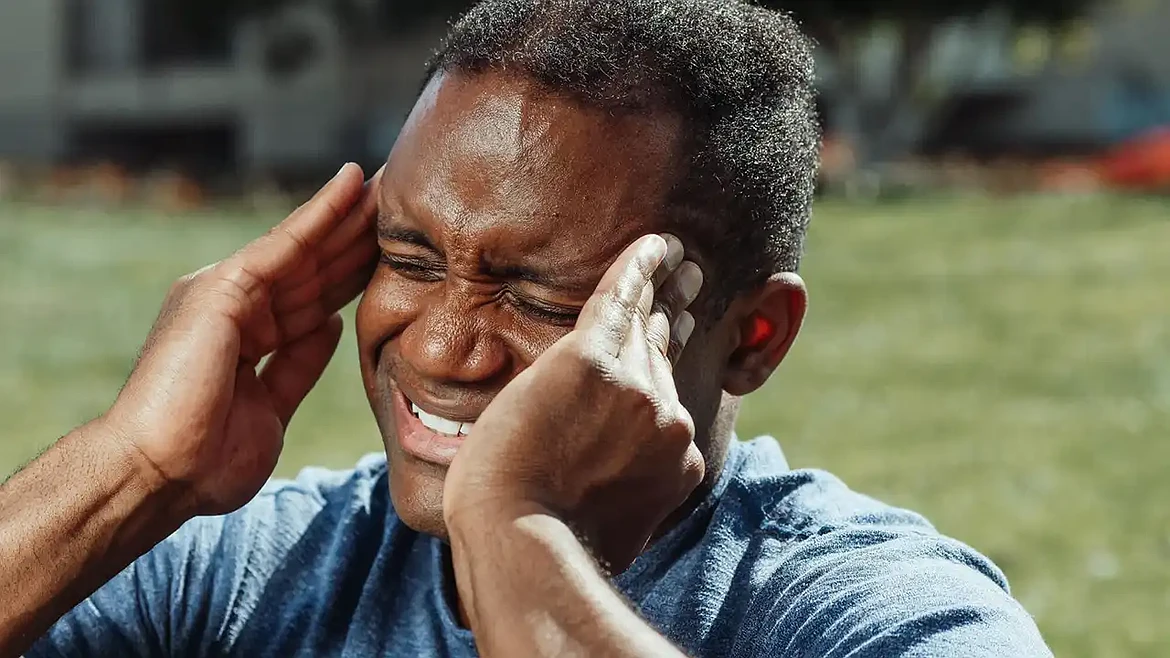
Concussion symptoms are getting more attention because a "minor" head hit can still affect memory, mood, sleep, balance, and safety. Early care matters because symptoms can appear right away or show up hours or days later.
Nearly 2 million young people experience a concussion each year, according to research published in the American Journal of Preventive Medicine. A hard fall, sports collision, car crash, or sudden jolt can change the way the brain works. Many injuries do not look serious at first.
Awareness is rising because parents, coaches, employers, and patients now understand one key point. A concussion is not just a headache, and it should not be brushed aside.
Doctors stress concussion awareness because a person does not need to pass out to have a real brain injury.
What Are the First Signs of a Concussion?
Symptoms can affect how a person feels, thinks, acts, or sleeps. The first signs often include:
- Headaches
- Dizziness
- Nausea
- Balance trouble
- Foggy thinking
- Confusion
- Memory problems
- Light sensitivity
- Mood changes
- Sleep changes
Families should watch for head injury warning signs such as:
- Headache or pressure
- Dizziness or poor balance
- Trouble focusing
- Irritability or sadness
- Sleeping more or less than usual
Recognizing concussion indicators early helps prevent rushed decisions.
How Long After a Head Hit Can Concussion Symptoms Appear?
Symptoms may appear right away, yet delayed symptoms are common. Some mild traumatic brain injury symptoms do not appear for hours or days.
Delayed symptoms explain why saying "I'm fine" after impact is not enough. A child may struggle with homework later. An adult may wake up with dizziness or mental fog.
Why Concussion Awareness Has Grown
Sports receive much attention, but concussions also happen after falls, traffic crashes, workplace accidents, and home injuries. UNLV reports that an estimated 3.8 million concussions occur each year in the U.S. from sports and non-sports causes, and more than half may go unreported.
A concussion can take place after a blow, bump, or jolt to the head. It can also happen when a hit to the body causes the head and brain to move quickly. Movement can cause chemical changes and stretch or damage brain cells.
Greater awareness has also reduced old myths. Loss of consciousness is not required. A normal scan does not always rule out symptoms. Concussions often do not change how the brain looks on imaging, so diagnosis depends on symptoms and clinical evaluation.
Why Head Injury Warning Signs Matter After the First Day
The next several days matter because symptoms can shift. A person may feel sick early, then notice emotional changes or sleep problems a week or two later.
Emergency warning signs need fast care. Red flags may include:
- A worsening headache
- Repeated vomiting
- Seizures
- Slurred speech
- Unusual behavior
- One larger pupil
- Serious confusion
- Loss of consciousness
- Trouble waking up
A concussion symptoms self assessment may help people organize what they notice, but it should not replace medical care when symptoms are concerning.
Post-Concussion Syndrome Is Changing Recovery Expectations
Post-concussion syndrome has changed public thinking because some symptoms last beyond the usual healing period. Persistent symptoms can last weeks or months.
Typical recovery is two to four weeks for adults and about four weeks for children or teens. Symptoms beyond those windows may be considered persistent.
Repeated Injuries Raise the Stakes
Repeated concussions can create more complex recovery issues. Repeated mild TBIs may lead to longer recovery or more severe symptoms.
The AMA also reported a clear medical message in 2026: One concussion does not automatically mean long-term problems, but no concussion is harmless. Risk grows when injuries repeat before full recovery.
A 2026 Psychiatrist.com report described research linking concussion history with a higher adjusted risk of later serious motor-vehicle crash injuries. The report noted possible links to:
- Attention lapses
- Fatigue
- Sleep issues
- Slower reaction time
Frequently Asked Questions
Can a Concussion Happen Without a Direct Hit to the Head?
Yes. A concussion can occur when a strong hit to the body makes the head move quickly. Rapid motion can make the brain shift inside the skull.
Car crashes, falls, sports hits, and workplace accidents can all cause this pattern. A person should watch for symptoms even when the head did not strike a hard surface.
Medical review is wise when dizziness, confusion, vomiting, balance trouble, or worsening headache follow the event. Early awareness can help prevent complications and support safer recovery.
Should Someone Sleep After a Suspected Concussion?
Rest is often part of recovery, but evaluation matters first when symptoms are serious. Early recovery often includes taking it easy and getting enough sleep.
A healthcare provider can explain whether monitoring is needed. Emergency signs, such as repeated vomiting, seizure, severe confusion, or trouble waking, need urgent care. Careful observation during rest can help detect any changes that need medical attention.
It is often recommended that someone stay nearby during the first night to check on the person periodically. Gentle waking may be advised in some cases to ensure the person can respond normally. Following medical guidance helps balance rest with safety during early recovery.
Why Do Symptoms Sometimes Feel Worse With Screens or Reading?
Screens and reading demand eye tracking, focus, memory, and light tolerance. A recovering brain may struggle with those tasks. Symptoms may rise during:
- Schoolwork
- Computer work
- Gaming
- Scrolling
Each increase is useful feedback because it shows the brain may need a slower plan and more support over time. Taking regular breaks can help reduce strain and support gradual recovery. Adjusting screen brightness and using blue light filters may also ease discomfort.
Shorter sessions with frequent pauses can help the brain rebuild tolerance over time. Gradual reintroduction of these activities supports a safer return to normal routines.
Take Concussion Symptoms Seriously and Keep Learning
Concussion symptoms deserve serious attention because they can affect daily life, safety, learning, work, and recovery. Better concussion awareness helps people notice changes sooner, ask better questions, and avoid risky returns to activity.
A careful response does not create panic. It creates protection. Explore more guides and articles on our website for practical health, safety, and community information.
This article was prepared by an independent contributor which helps us continue delivering quality content to our audiences.