
Why resilient commercial buildings are becoming a community priority
Lettecha Johnson | Whitefish Pilot | UPDATED 4 months AGO
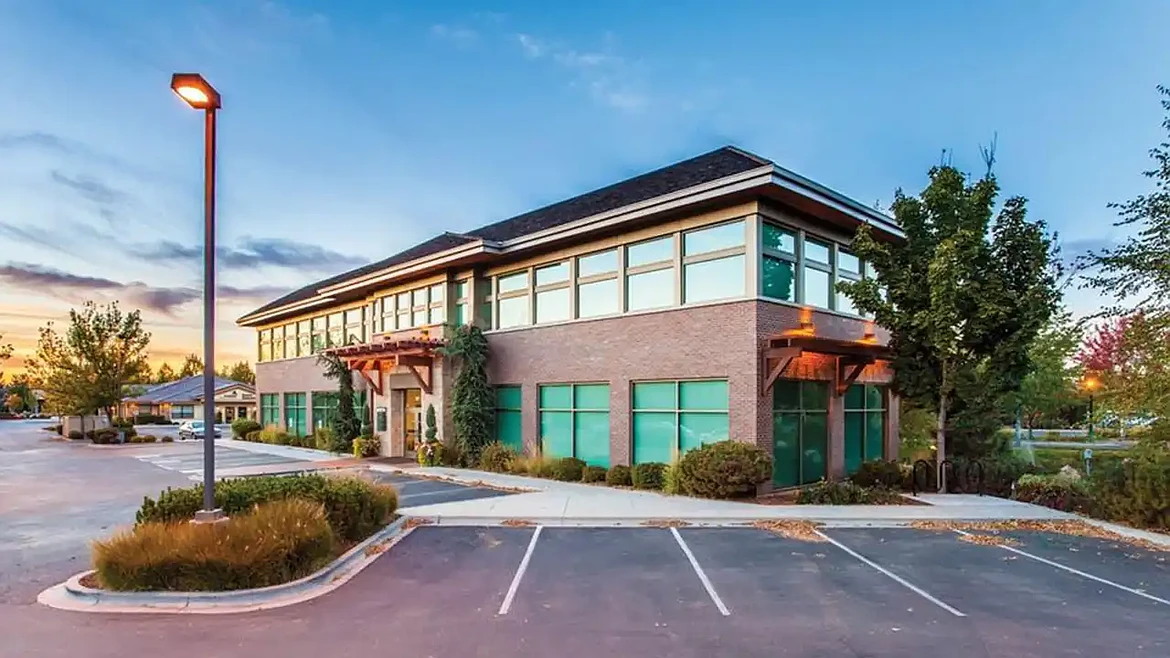
Focusing on more resilient commercial buildings means protection for workers by reducing accident risk. These spaces are also safety refuges during emergencies such as local grid failures during heatwaves or temporary shelter from storms, in part due to backup solar generation and reinforced entryways. When businesses don't have to shut down for extended periods by being in more resilient buildings, it also protects the local economy.
The Center for Sustainable Systems reports that by 2050, commercial floor space is expected to reach 143 billion square feet, a 38% increase from 2024. Warehouses have the most space, and such buildings can include gymnasiums, hospitals, and retail, making them ideal candidates for resilient design.
Why Is There a Greater Focus on Sustainable Architecture?
Secure community infrastructure is a necessity as extreme climate events occur more frequently and at greater intensity. These events include longer, more severe heat waves and larger hurricanes, which can be highly destructive through shattered windows, blown-off roofs, and flooding.
In other words, traditional building codes are no longer enough to guarantee safety in a structure. More commercial properties must be able to withstand the impact from fierce weather events since they are part of the urban ecosystem and not just isolated buildings.
How Do Stronger Commercial Buildings Play a Role?
Commercial building durability starts with using impact-resistant windows and wind-resistant commercial roofing in San Diego. Construction should also involve fire-resistant materials.
These buildings may need to provide a temporary safe zone for the community to gather after a destructive hurricane or cool off if the grid goes down and homes don't have functioning AC. Backup solar and battery storage can help supply power during grid failure, keeping the occupants safe from heat-related illness.
When a business is in a poorly engineered building, it's likely to remain closed for a long period of time after a disaster. However, resilient designs can help prevent property damage, which enables ongoing business function.
As a result, local labor markets can remain stabilized, and community members will always have essential services such as grocery stores, banks, and schools. Green construction techniques can future-proof these areas for more longevity.
Living walls help minimize solar heat gain in summer. Air or ground-source heat pumps can reduce energy consumption and carbon emissions, which can promote better indoor air quality.
Using low-VOC finishes protects against mold, fire, and pests while insulating the building from thermal loss.
Commercial properties can also invest in more eco-friendly landscaping, such as rainwater harvesting and permeable pavement that can help mitigate stormwater damage and conserve water.
Better Construction Enables Urban Resilience
The commercial buildings in any city aren't simply standalone structures for company use but are a vital part of the overall ecosystem's supply of necessary services and businesses. They should be safe zones for anyone who works in them and ready refuges for the community during local emergencies.
With the right adjustments from solar backup to reinforced roofing, commercial building owners can make their structures safe for everyone.
Learn more about construction and urban planning by reading other articles on our website.
This article was prepared by an independent contributor which helps us continue delivering quality content to our audiences.