
Fibromyalgia is not one cause
SETH SCHNEIDER / Health Columnist | Bonner County Daily Bee | UPDATED 4 months AGO
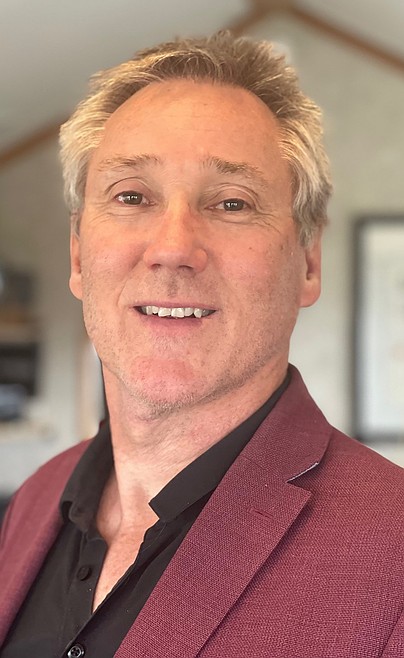
Seth Schneider
Fibromyalgia is usually described as widespread pain, fatigue, brain fog, poor sleep, and a sensitized nervous system. That description may be accurate, but it often arrives late. It gives a name to the condition after pain has spread, sleep has lost depth, energy has become unreliable, and ordinary effort no longer brings ordinary recovery.
In some people, part of the missing history is hypermobility.
Joints may have been unstable for years without the instability ever being recognized. Muscles tightened to create support. The pelvis, neck, shoulders, knees, feet, and jaw began compensating for one another. A person may be told the pain is mysterious when the body has spent years working around tissue that could not hold position well, movement that never felt secure, and quiet effort just to feel normal.
Many hypermobile people have been treated as anxious, fragile, or vague when their structure was asking for support. An unstable knee can alter the hip. An unsteady pelvis can keep the back guarded. A neck that never feels held can keep the shoulders and jaw tense. After enough time, the first problem becomes hard to find because the whole system has been recruited into protection.
Hypermobility should not become the latest universal answer.
It may be central for one person, partial for another, and irrelevant for someone else. A useful insight turns harmful when it becomes another explanation forced onto everyone. Medicine does this with diagnoses. Wellness culture does it with root causes.
Fibromyalgia often looks less like one disease and more like a loss of recovery capacity. Sleep does not repair deeply enough. Muscles stay sore. Pain lasts longer than the original strain should justify. Energy rises and falls unpredictably. Exercise helps one week and causes a crash the next. Life begins to cost more than the system can restore.
Functional medicine can improve the conversation by asking why this person lost that capacity.
Sleep disruption, thyroid dysfunction, low iron, blood sugar swings, gut inflammation, immune activation, hormonal change, past infection, connective tissue instability, and long stretches without true restoration can all matter. The value is not in making the list longer. The value is in refusing to treat widespread pain as if it floats above biology.
That brings physiology back into the room. Pain is not dismissed as vague, imaginary, or merely emotional. Fatigue is not treated as laziness. Brain fog is not reduced to mood. A body that hurts everywhere still deserves serious investigation. But even this model can stop too soon. A person can become a collection of labs, deficiencies, triggers, and protocols. Conventional medicine may reduce fibromyalgia to a label. Functional medicine may reduce it to mechanisms. Both can miss the person living through the illness.
Pain is processed by a nervous system that learns from experience. Years of instability, exhaustion, dismissal, fear of flares, failed treatments, or crashes teach the system to anticipate danger. Sensation becomes louder. Movement becomes guarded. Rest becomes difficult. Trust weakens. That does not make the illness psychological in the dismissive sense. It means the nervous system is alive, adaptive, and shaped by what it has endured.
The spiritual wound is just as real. Chronic illness can narrow life until everything becomes management. The body becomes something to control, monitor, fight, or fear. Purpose can shrink. Worship, service, community, vocation, and hope can feel distant. A person may keep searching for the next explanation while quietly losing the sense that life is still whole.
Healing does not require pretending illness is a lesson or proof of weak faith. It requires a wider model of restoration. The tissues need support. Sleep needs protection. The nervous system needs safety. The mind needs trust. The person needs relationship, meaning, steadiness, courage, and a way to inhabit the body without hatred or fear.
Hypermobility may be one doorway into fibromyalgia. Functional medicine may move further by asking what has gone wrong in the terrain of the body. But fibromyalgia keeps exposing the failure of explaining the person in pieces.
The suffering is whole, even when the explanations are fragmented.
Seth Schneider is a health columnist for the Bonner County Daily Bee.