
What to know about camping in bear country
Shane Lisowski | Bigfork Eagle | UPDATED 1 week AGO
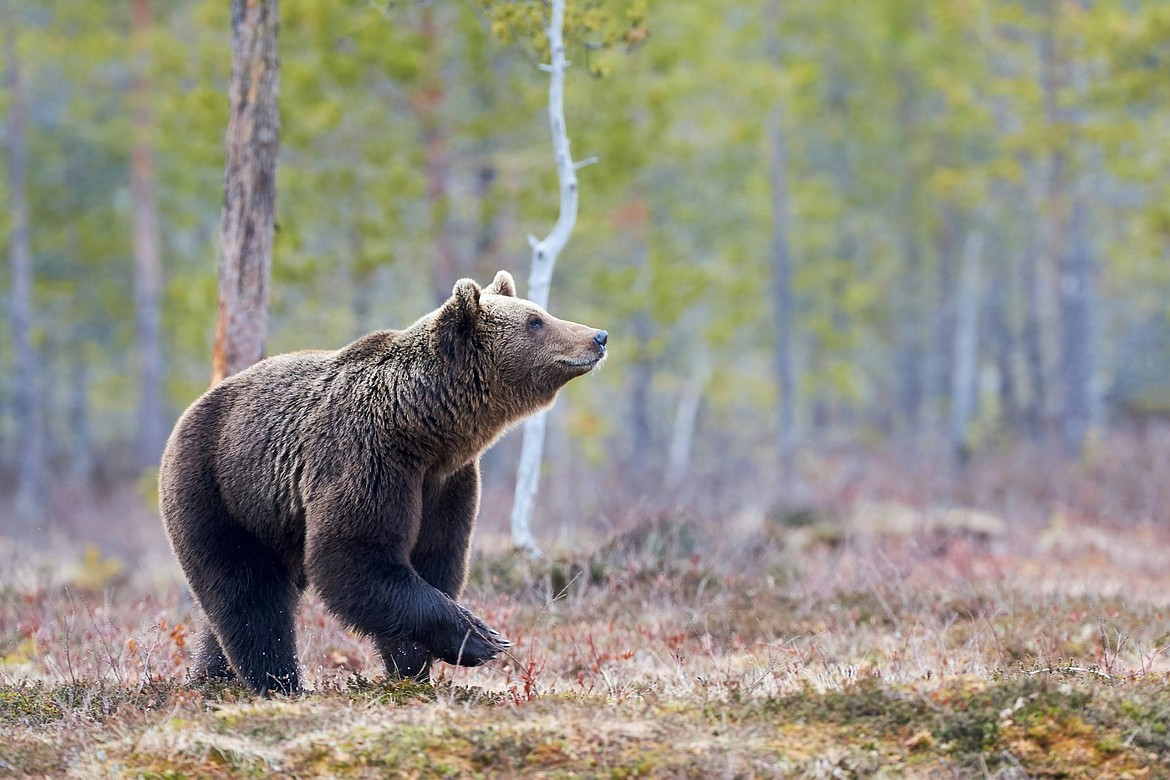
A grizzly bear. (Courtesy/Swan Valley Connections)
It’s that time of year when residents and visitors alike hit our forests to recreate. In the Swan Lake Ranger District and Flathead National Forest region, campers share the landscape with bears — both black and grizzly bears.
This area hosts one of the densest populations of both species in the lower 48. With smart planning and proven practices, you can enjoy the outdoors safely while recreating in bear country.
Scout with bear awareness in mind
Before you choose a site, look for signs of bear activity and select locations that minimize attractants. If a campsite has garbage strewn about or bacon grease poured out on a nearby stump from previous campers, this spot may not be the best choice.
Remember that food storage regulations apply in this area if you’re camping on Forest Service or state DNRC lands. This means that you must properly secure your bear attractants when your camp is unoccupied. Some campgrounds provides metal bear-resistant boxes to store food in. If not, store food and scented items away from sleeping areas, ideally by hanging in a tree at least 10 feet up and four feet out from the base, storing in a hard-sided vehicle, or using a variety of bear-resistant options.
Store and scent wisely
For certified bear-resistant storage options, see igbconline.org/be-bear-aware/food-storage/.
Cook away from sleeping areas and thoroughly clean cooking utensils to minimize odors that may attract bears.
Be aware that coolers may attract bears from residual food odors, even if there isn’t currently food inside.
Keep a clean camp
Pack out all trash, leftover food, and any scented items.
Do not store food or scented items inside your tent, this includes cosmetics, sunscreen, toothpaste, and similar products.
Have bear spray ready and practice use
Keep bear spray easily accessible and know how to deploy it. A quick, practiced response can make a difference in a bear encounter.
Know where to turn for current guidance
Local resources are available to help you plan: Consult your local Montana Fish, Wildlife & Parks, US Forest Service, or Montana DNRC offices and websites for the latest safety recommendations, campground rules, and advisories. Being prepared and having a plan in place can greatly reduce the chances of a negative encounter.
Bear country can be a rewarding, safe experience when you stay aware, store attractants properly, and act appropriately if you encounter a bear. By following these practices, campers can enjoy the outdoors, minimize risks of negative bear encounters in campsites, all while respecting the bears that share our forests.
Shane Lisowski, Bear Conflict Prevention Coordinator, Swan Valley Connections.