
What the rise of GLP-1 drugs means for healthcare spending
April D. Lee | Coeur d'Alene Press | UPDATED 6 hours, 59 minutes AGO
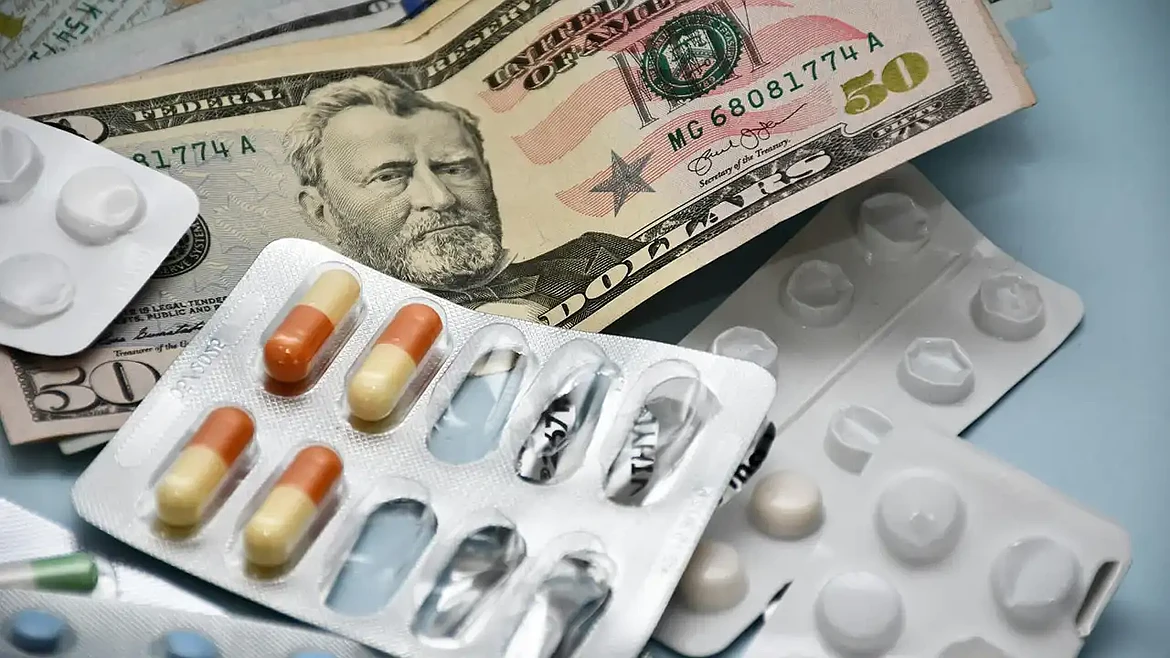
GLP-1 drugs are changing healthcare spending because they add major pharmacy costs now, while creating hope for lower medical costs later. Employers, insurers, Medicare, and patients are now asking whether better long-term outcomes can justify higher short-term spending.
America's health care bill is already large, and GLP-1 drugs are adding a new layer to the cost debate. U.S. health spending rose 7.2% in 2024, reaching $5.3 trillion, or $15,474 per person, according to data shared by the American Medical Association.
GLP-1 drugs are no longer limited to diabetes treatment. Medications such as semaglutide and tirzepatide are now used for diabetes care, obesity treatment, heart risk reduction, and long-term disease prevention. More patients are asking doctors about access.
These drugs may help patients lose weight, improve blood sugar, and reduce risks linked to obesity. Coverage decisions can increase costs fast.
The question is no longer only whether GLP-1 drugs work. The bigger question is how they will reshape health plans, public budgets, and household costs.
What Are GLP-1 Drugs Used For?
GLP-1 drugs help manage blood sugar for people with Type 2 diabetes. Some are also approved for chronic weight management or certain obesity-related risks. Their growth has changed healthcare cost analysis because one drug class now touches many parts of care.
A drug used by a small group creates one budget issue. A drug used by millions creates another. Employers, insurers, and public programs must now decide:
- Who qualifies
- How long does the coverage last
- What follow-up care should be required
Why Are GLP-1 Drugs So Expensive?
GLP-1 drugs are costly because many are branded, high-demand, long-term therapies. Costs also extend beyond the prescription. Patients may need:
- Doctor visits
- Lab work
- Prior authorization
- Nutrition support
- Ongoing monitoring
Long-term use turns a monthly drug price into a major annual spending issue.
GLP-1 Drug Costs Are Pressuring Employers
Employers are watching GLP-1 drug costs closely. Healthcare Dive reported that nearly 8 in 10 employers said these drugs are raising company health care costs, based on a Business Group on Health survey. The same report noted that 67% of surveyed employers covered GLP-1s for weight management.
Many employers are responding with stricter rules. Common controls include:
- Prior authorization
- BMI or diagnosis requirements
- Weight management programs
- Preferred drug lists
- Step therapy
- Narrow prescriber networks
These rules can slow spending. They can also create barriers for patients who may benefit. Careful benefit design is becoming one of the most important healthcare spending insights for employers.
The Short-Term Cost Problem
Short-term costs are the hardest part of the GLP-1 debate. The demand for GLP-1 medications is a major factor in rising health care costs for 2026, and broad coverage can increase overall health plan spending.
Premium pressure is also a concern. Blue Cross Blue Shield reported that GLP-1 coverage could raise employer health premiums by 6.1% to 13.8%, depending on eligibility rules and adherence. The report also stated that GLP-1s can cost up to $766 per month after discounts and rebates.
A health plan may support coverage because the drugs improve health. Yet budgets can still feel pressure before long-term savings appear. A drug can be clinically valuable and financially difficult at the same time.
The Long-Term Savings Argument
Some experts believe GLP-1 drugs may reduce medical costs over time. SHRM reported that Aon analyzed claims data from more than 192,000 GLP-1 users and found that sustained use can reduce medical cost growth over the long term for employers.
Savings may come from:
- Fewer diabetes complications
- Fewer heart events
- Less sleep apnea
- Lower obesity-related care
Employers may also see better workforce health if patients stay on therapy and receive proper support.
Savings are not automatic. Patients may stop treatment early. Drug prices may stay high.
Plans may not keep members long enough to see future savings. Strong healthcare cost analysis must compare pharmacy spending with later medical savings.
Why U.S. Healthcare Spending Makes the Debate Bigger
The GLP-1 debate matters more because the U.S. already spends more on health care than other wealthy nations. The Commonwealth Fund reported that the U.S. spent 18% of its gross domestic product on health care in 2024, nearly double the average for OECD countries.
Higher spending makes every new expensive drug class more important. Patients want access. Employers want affordability.
Insurers want rules. Policymakers want proof of value.
Patients can also compare prescription options and buy Rybelsus online at Canadian Pharmacy Online. They should still speak with a licensed medical professional and use safe, legal pharmacy channels for any prescription medicine.
Frequently Asked Questions
How Do GLP-1 Drugs Affect Insurance Premiums?
GLP-1 drugs can raise insurance premiums when many members qualify and stay on treatment. The medication cost often appears quickly in pharmacy spending, while savings from fewer complications may take longer.
Premium impact depends on:
- Drug price
- Rebate levels
- Member health
- Eligibility rules
- Adherence
Plans may limit coverage to patients with diabetes, obesity, or added risk factors to control costs.
Why Do Insurers Require Prior Authorization for GLP-1 Drugs?
Insurers use prior authorization to confirm that a patient meets coverage rules before paying for a high-cost drug. Requirements may include:
- A diagnosis
- BMI level
- Lab results
- Medical history
- Proof of earlier treatment attempts
Prior authorization can help control spending, but it may delay access. Patients often need help from doctors to complete the paperwork.
Could GLP-1 Drugs Lower National Healthcare Spending?
GLP-1 drugs could lower some medical costs if they reduce diabetes complications, heart disease, sleep apnea, joint problems, or hospital care. National savings are not guaranteed.
Drug prices, treatment length, access rules, and patient adherence will shape the final result.
What GLP-1 Drugs Mean for Healthcare Spending Going Forward
The rise of GLP-1 drugs shows how medical innovation can bring both hope and pressure. These medications may improve health for many patients, but their cost is forcing hard decisions across the health care system.
A smart approach to healthcare spending will require fair access rules, clear evidence, careful monitoring, and honest cost tracking.
Explore more guides and articles on our website for practical updates on health policy, medical costs, and other healthcare spending insights.
This article was prepared by an independent contributor which helps us continue delivering quality content to our audiences.