
Your garden is talking. Are you listening?
CANDACE GODWIN/Gardening at the Coop | Coeur d'Alene Press | UPDATED 10 hours, 5 minutes AGO
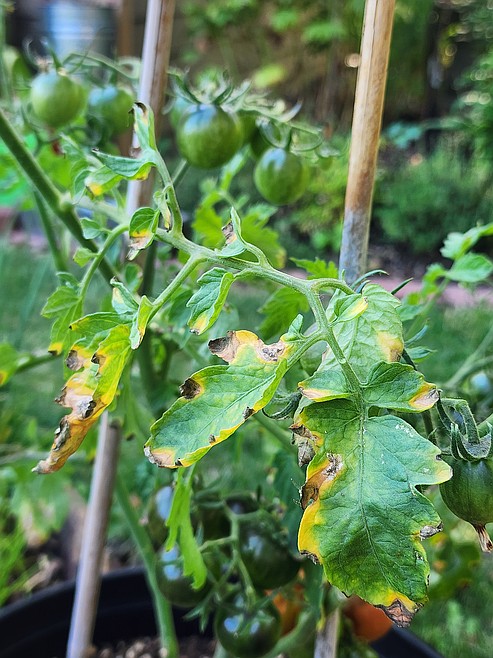
Yellowing leaves with brown or dark patches are a clear sign of early blight. Pay attention to watering practices and be sure to mulch around the base of the plant to prevent it.
Candace Godwin photo
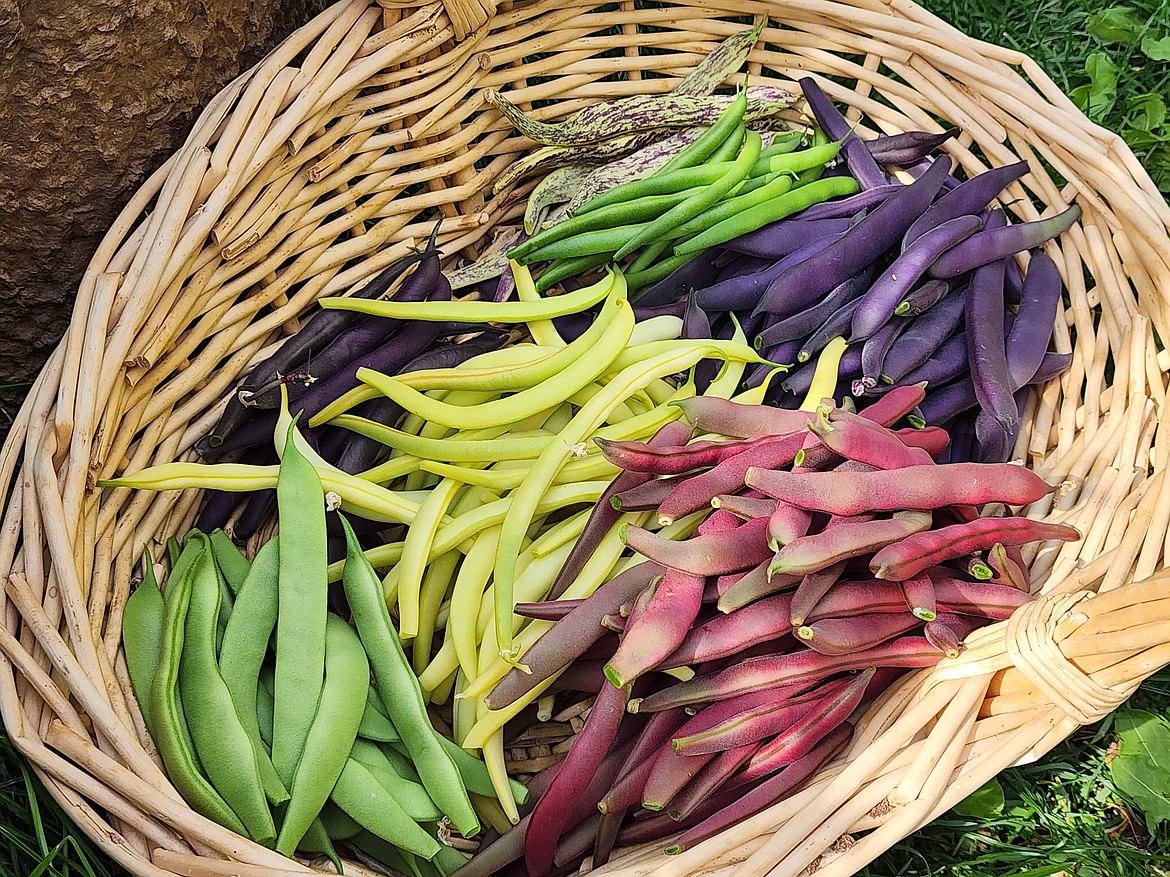
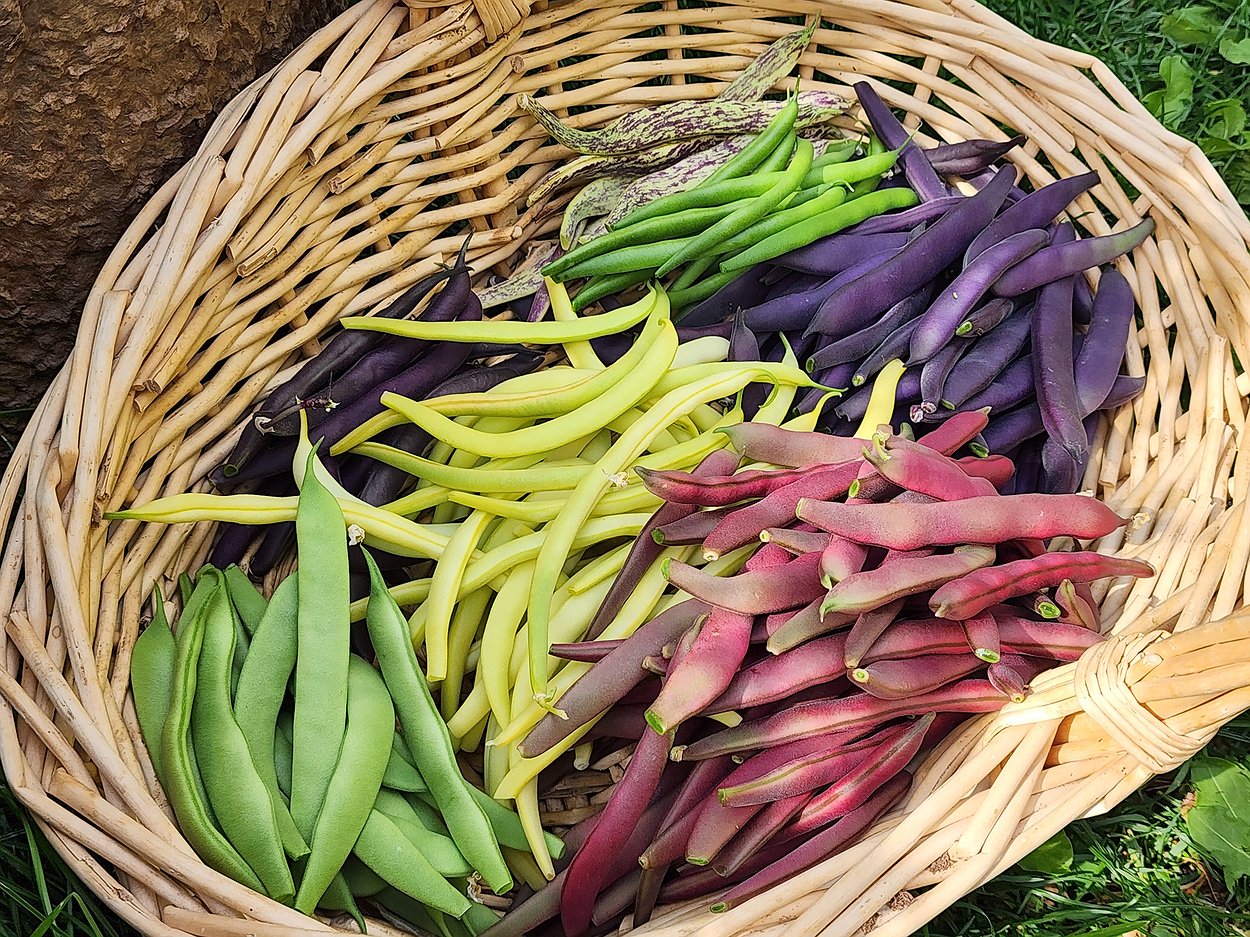
The more you harvest, the more your plants will produce.
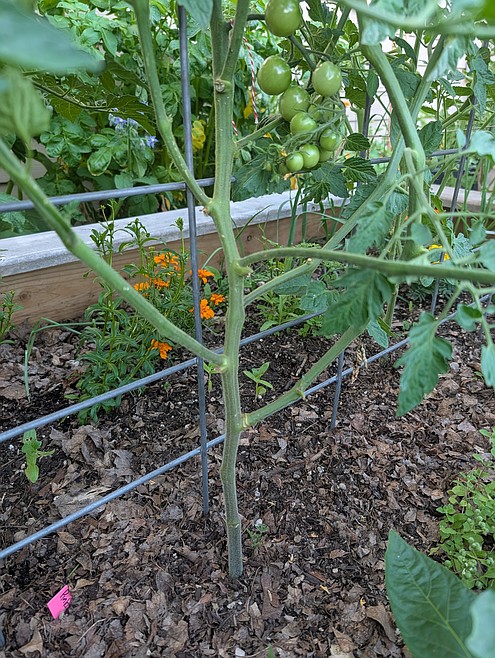
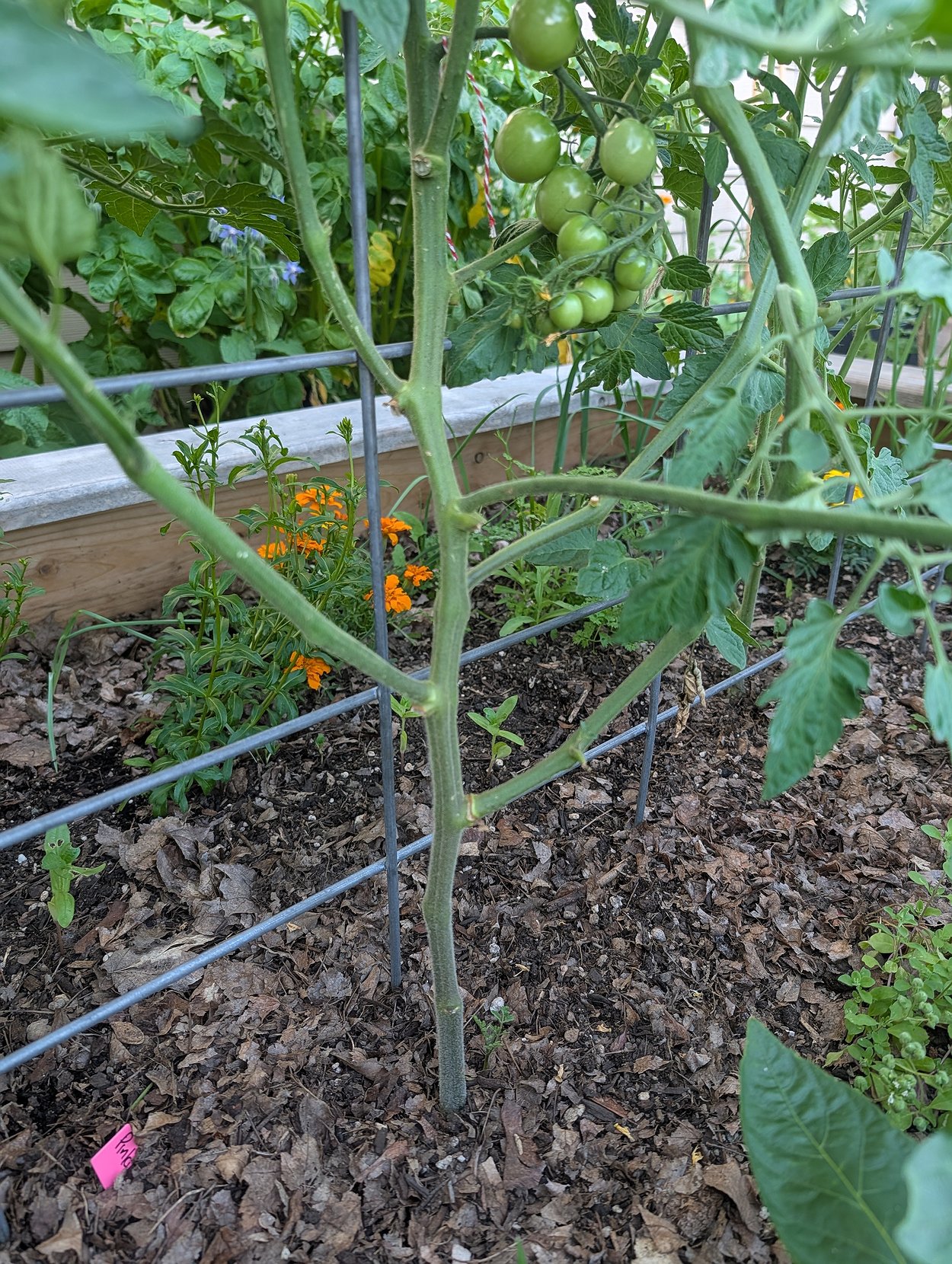
Bottom Pruning; Caption: Remove any tomato leaves touching the soil to reduce the risk of fungal diseases.
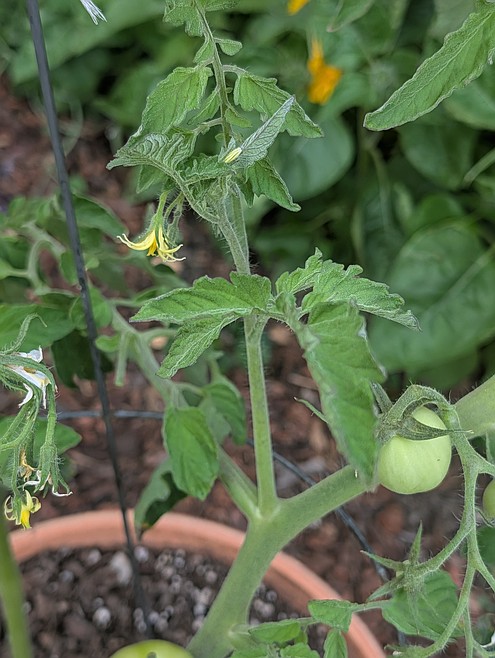
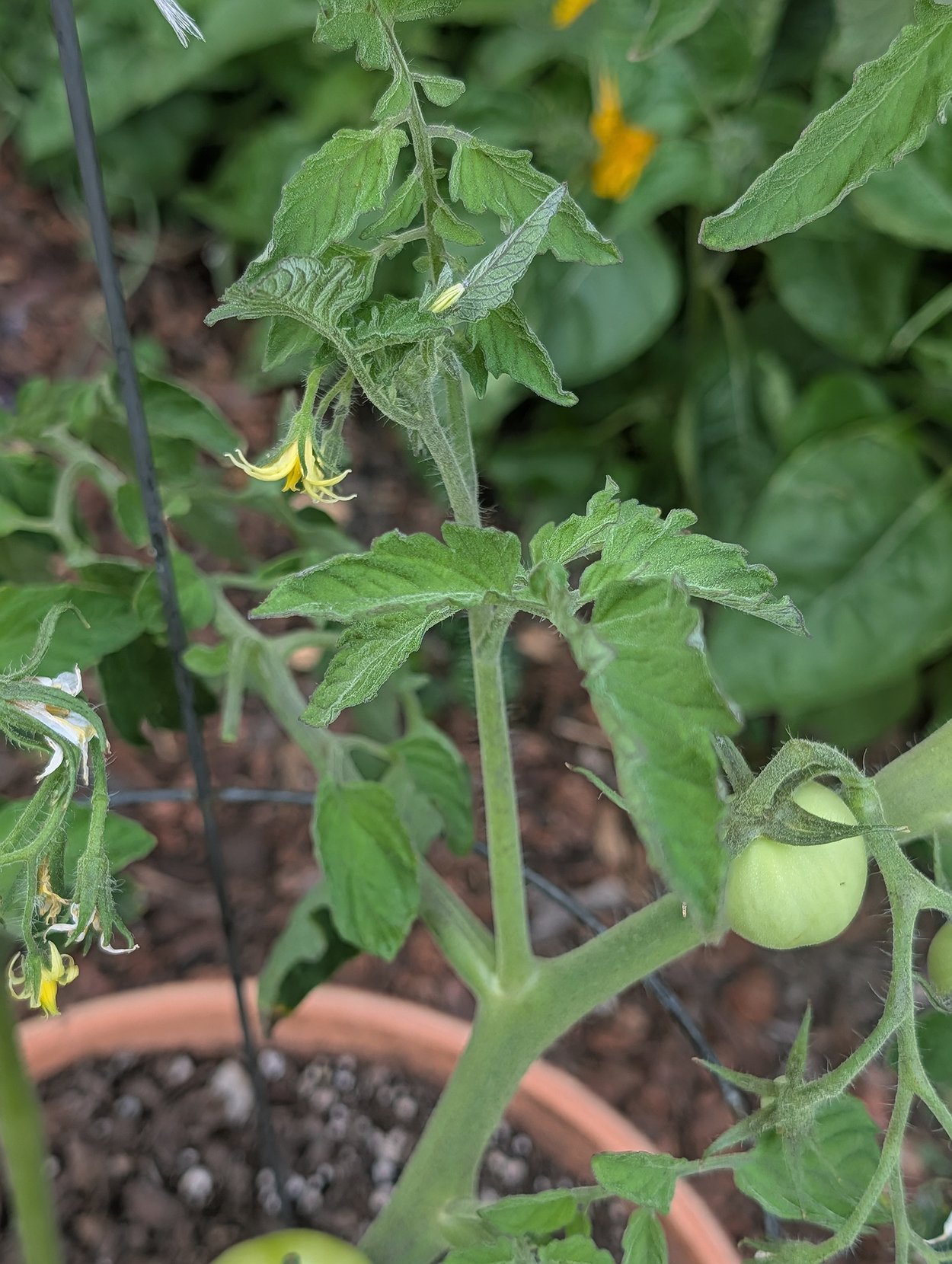
Determinate Sucker; Caption: Never remove suckers from determinate tomatoes. These plants produce a set number of fruits, and those suckers are future tomatoes.
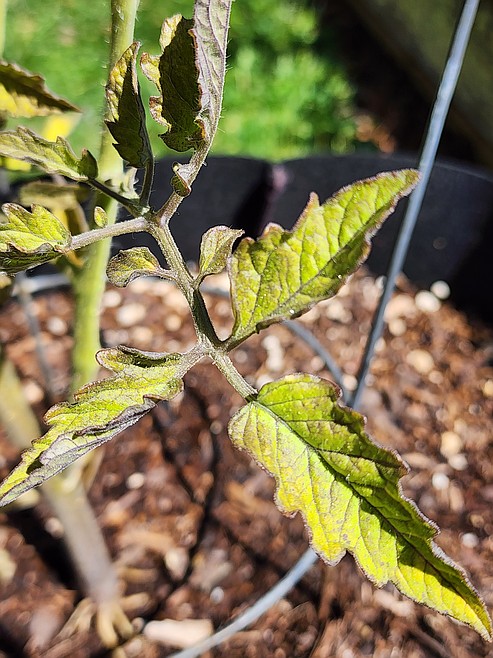
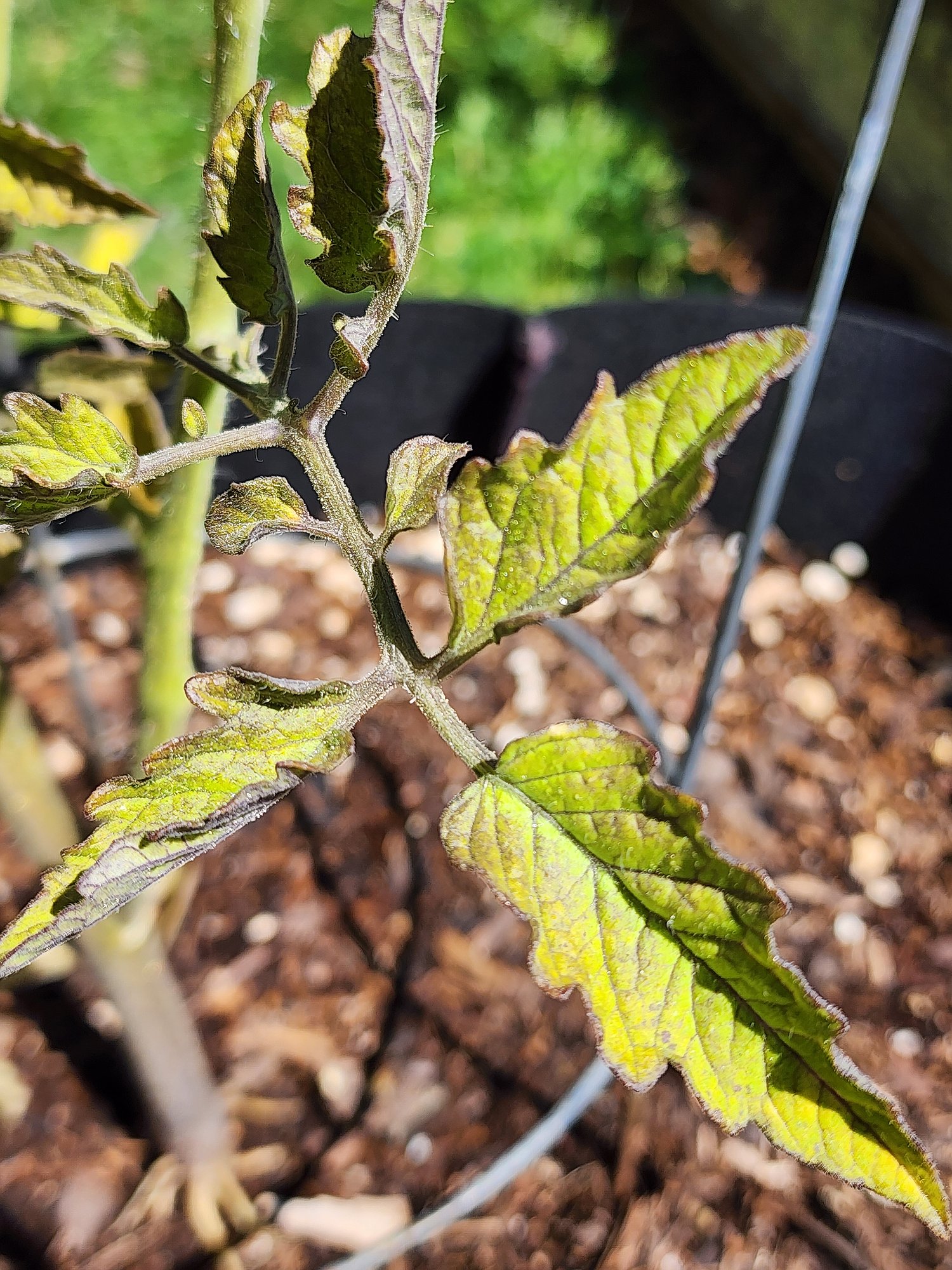
Stippled, yellowed leaves are a sign of spider mites.
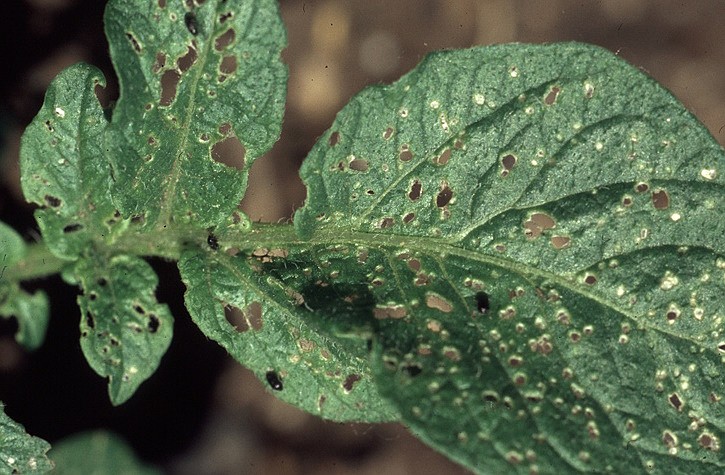
Flea beetles are tiny, but the damage they leave can be devastating.
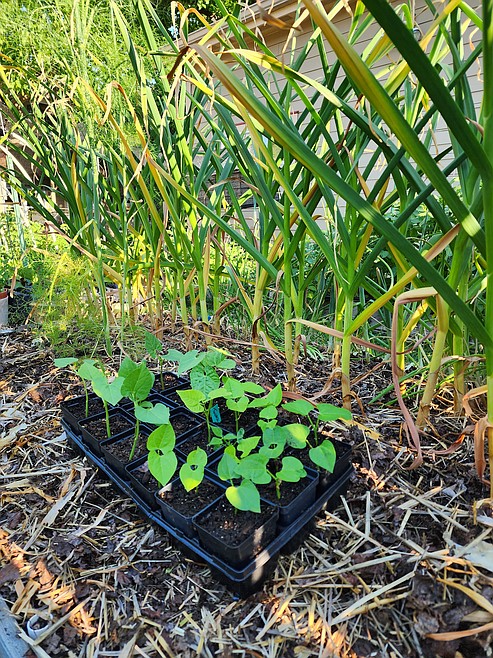
As the garlic is harvested, bush beans take its place in the garden, ensuring productivity into the fall.
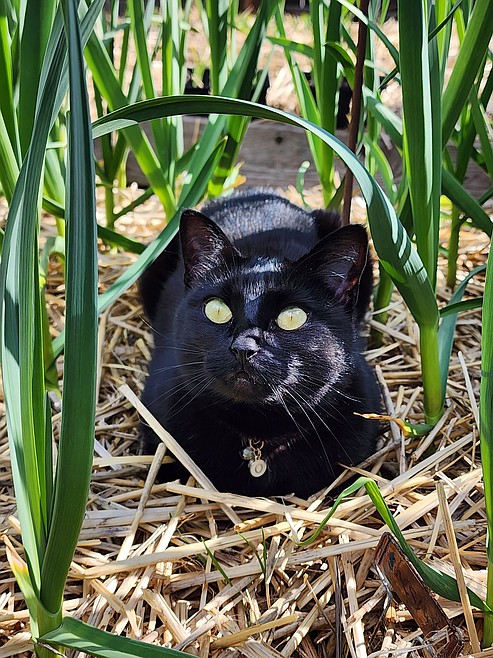
Slow down, be observant, and take a thoughtful walk through the garden… You never know what you might find.
By mid-July, the excitement of planting season has faded into the daily rhythm of watering, harvesting, weeding and wondering whether everything is growing as it should. The garden is no longer full of promise — it’s in full production.
But just as we schedule annual checkups for ourselves, our gardens also benefit from a little midseason attention.
A short walk through the garden with a critical eye can help you catch small problems before they become big ones, keep plants producing longer and set the stage for an abundant harvest through the rest of the summer and into fall.
When I’m making my own rounds through the garden, I ask myself the following seven questions.
How Does the Soil Feel?
Healthy plants begin with the soil. Period.
Gardeners tend to evaluate a garden’s health based on its plants; if the plants are weak, they reach for fertilizer. But often, it’s the soil that needs the real attention. Enriching the soil with organic matter, such as compost or well-rotted manure, feeds countless microbes that ensure nutrients are available to plants.
Soil is what I check first. Is it staying evenly moist? Has the mulch thinned out? Is the surface hard and crusted? If I reach into the soil, will I find earthworms or other critters active? Those are all clues.
Moisture quickly evaporates from bare soil, but a 1- to 2-inch layer of mulch helps retain moisture, moderate soil temperature and protect the life below the surface. Since mulch breaks down or blows away during the season, midsummer is a good time to refresh it.
When my soil is in good condition, my plants have a much better chance of thriving without my constant intervention.
Are My Plants Telling Me They're Stressed?
Being observant helps you spot stress before disease takes hold. Instead of asking, “What’s wrong with my tomatoes?” I try to ask, “What is this plant trying to tell me?”
Are plants vigorous and lush, or are they drooping, yellowing, curling, scorching or growing unevenly?
Not every symptom signals disease. Many problems are physiological, caused by heat, inconsistent watering, nutrient imbalance or normal aging. A yellowing tomato leaf may simply be old, or it may be an early sign of blight. Pepper leaf curl may be a response to heat or a sign of insect damage.
The point isn’t to panic. It’s to notice early, look more closely and figure out the cause before a small issue becomes garden drama.
Am I Harvesting Often Enough?
Your garden wants to produce for you. It really does. The fruits we yearn to harvest are the plant’s means of reproduction. When we harvest those fruits or flowers, the plant says, “Hey, I need to make more seeds.”
Some vegetables are over-sharers — zucchini and beans, I’m looking at you — but midseason is the time to keep gathering what comes your way.
If vegetables become oversized, fully mature or go to seed, the plant may receive the signal that its job is finished. Production slows or stops, and that’s not what we want halfway through the season.
The simple lesson: harvest often. The more consistently you harvest, the harder many vegetables and flowers will work to produce more. And if the harvest is more than you can use, your local food bank will happily take fresh produce off your hands.
Who Needs a Midseason Snack?
By midseason, many favorite vegetables are feeling a little hungry after all that growing and producing. We’ve already covered the importance of nourishing the soil, but heavy feeders may need a little extra support.
Tomatoes, peppers, squash, melons and cucumbers use plenty of nutrients as they set fruit and continue growing. To keep them productive, side-dress with good compost or apply an organic, slow-release fertilizer with phosphorus and potassium to support fruiting.
Container-grown plants are the exception to nearly every garden rule, and feeding is no different. Because nutrients wash out of pots more quickly, containers may need a regular boost from an organic liquid fertilizer.
Just don’t get carried away with nitrogen at this point in the season. Too much encourages lush green growth, often at the expense of flowers and fruit.
What Can I Prune — or Leave Alone?
Tomato pruning is one of those topics that sparks lively debate. Some gardeners prune heavily, others not at all. The good news? There's no single right approach.
Currently, my garden looks like a jungle. The tomatoes aren't just climbing — they're charging sideways, and I'm practically bushwhacking my way to the garden gate. That's the result of my selective (OK, somewhat sparse) sucker pruning. It's simply the way I garden.
However, there are two guidelines worth following. First, remove any tomato leaves touching the soil to reduce the risk of fungal diseases. Second, never remove suckers from determinate tomatoes. These plants produce a set number of fruit, and those suckers are future tomatoes.
In mid-July, I'm more aggressive about removing new suckers from my indeterminate tomatoes to improve airflow and help prevent disease. I'm also pinching back basil to keep it full and productive, while giving thyme, sage and oregano a light trim to freshen them up.
Not every plant needs pruning. Squash and cucumbers generally do just fine without it. The goal isn't to make your garden look tidy (although that’s a benefit) — it's to improve plant health, airflow and productivity where it matters most.
Who Else is Enjoying My Garden?
If you garden, you’re going to have pests. Remember, all those beneficial insects we work so hard to attract need something to eat. A perfectly pest-free garden is not the goal — and frankly, it’s not realistic.
The goal is balance.
Midseason is when pest pressure can build quickly, so this is the time to look closely. Flip over leaves. Check tender growing tips. Look at flowers and developing fruit. Many insects hide where we don’t normally look, which is how a small problem becomes a full-blown invasion while we’re busy admiring the tomatoes.
Common July troublemakers include aphids, cabbage worms, flea beetles and spider mites. You don’t need to know every insect by name, but you do need to recognize when something is changing.
Are leaves stippled, yellowing, curled, chewed or webbed? Are blossoms dropping? Is fruit damaged? Those are clues worth investigating.
A few minutes of scouting several times a week is far easier than trying to rescue an overwhelmed plant later. Observe first, identify the problem and then decide whether action is truly needed. Sometimes nature’s cavalry — ladybugs, lacewings, parasitic wasps and birds — is already on the way.
What Should I Plant Next?
Great gardeners are always gardening a season ahead. I know what you’re thinking: “The next season is fall. Isn’t that too late to garden?”
Not at all.
We still have plenty of good growing weather ahead. I’m constantly watching what’s finishing so I can fill those open spaces with new crops. The key is choosing crops that mature within about 70 days — and there are plenty to choose from.
It’s not too late to sow summer squash or cucumbers. Fast-growing crops such as bush beans, beets, chard and carrots will thrive in the coming summer days. There’s no reason to stop growing once lettuce, peas and garlic are harvested.
A Garden of Health
Midseason isn’t the finish line — it’s halftime. A little attention now can keep plants healthy, productive and resilient through the hottest weeks of summer. You don’t need to inspect every leaf or solve every problem in a single afternoon.
Slow down. Take a thoughtful walk through the garden. Notice the soil, the leaves, the fruit, the flowers and the spaces opening up for what comes next.
Your garden is usually telling you exactly what it needs. The trick is learning to listen.
• • •
Candace Godwin is a certified Idaho Master Gardener, garden consultant, writer and owner of The Coeur d’Alene Coop (thecoeurdalenecoop.com), a licensed nursery offering seasonal online plant sales.
 The more you harvest, the more your plants will produce.
 Bottom Pruning; Caption: Remove any tomato leaves touching the soil to reduce the risk of fungal diseases.
 Determinate Sucker; Caption: Never remove suckers from determinate tomatoes. These plants produce a set number of fruits, and those suckers are future tomatoes.
 Stippled, yellowed leaves are a sign of spider mites.
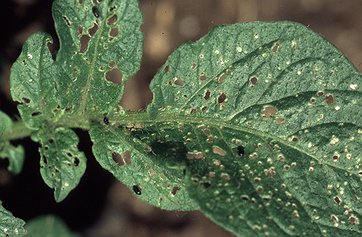 Flea beetles are tiny, but the damage they leave can be devastating.
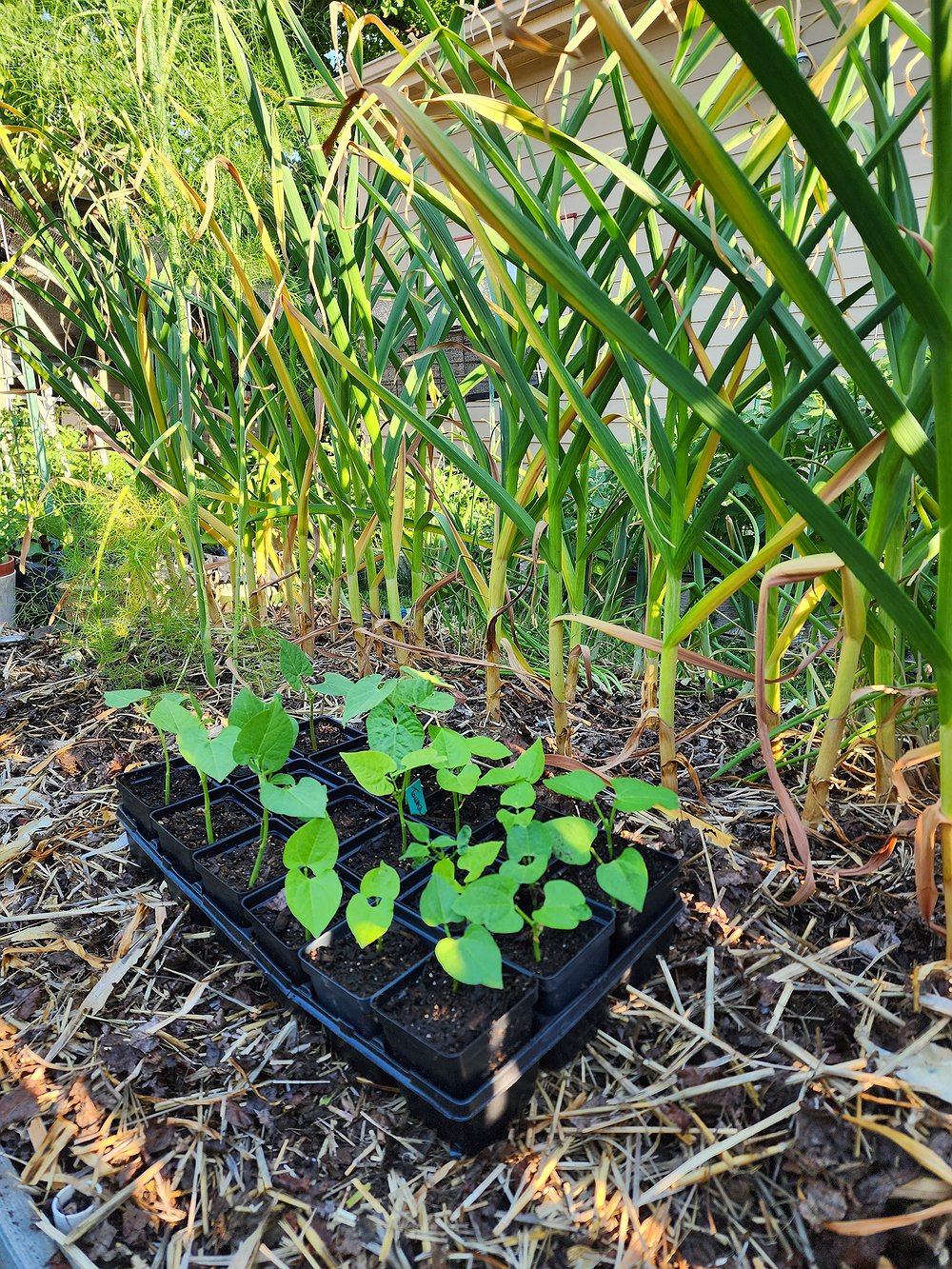 As the garlic is harvested, bush beans take its place in the garden, ensuring productivity into the fall.
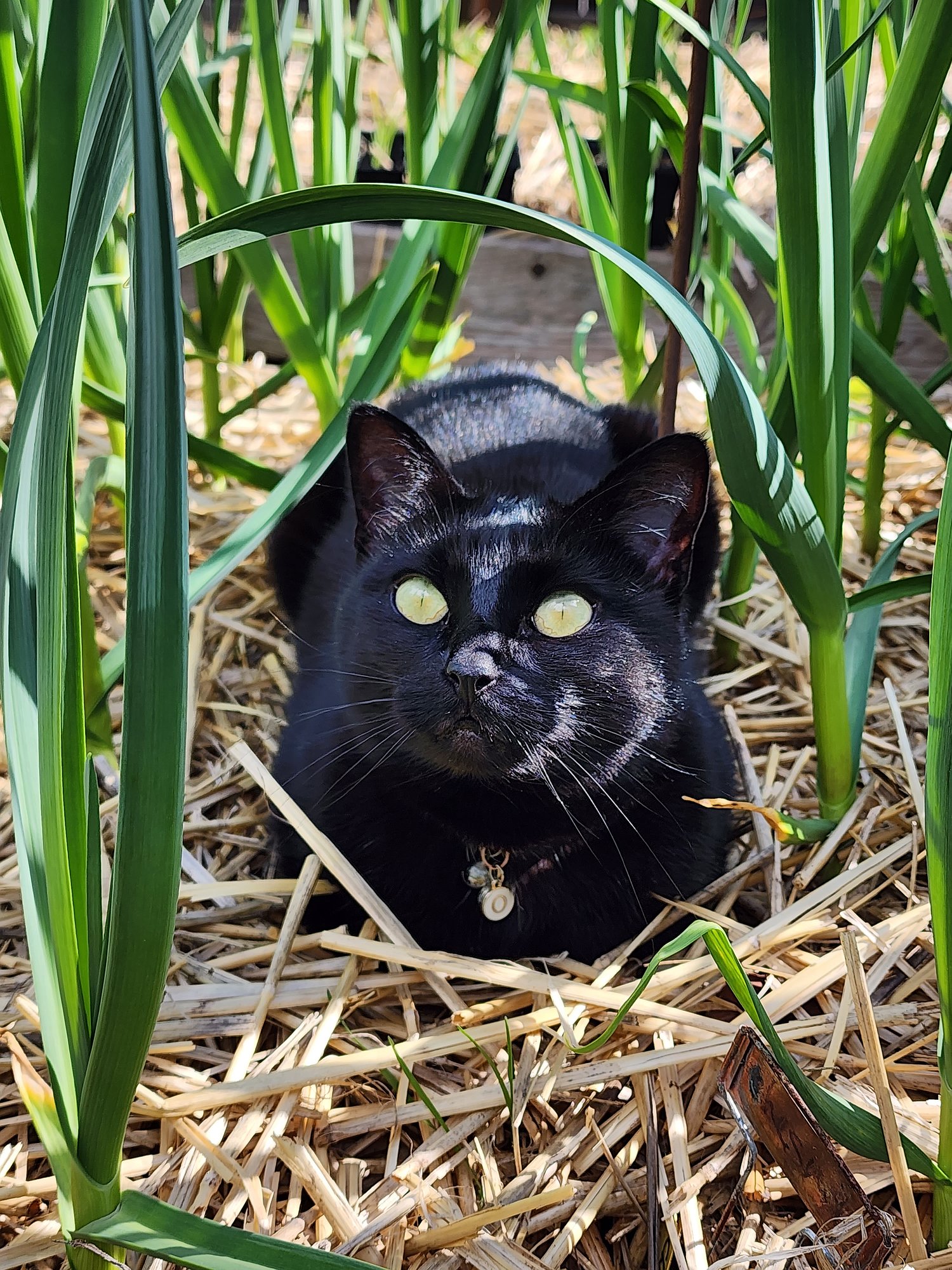 Slow down, be observant, and take a thoughtful walk through the garden… You never know what you might find.