
Construction's biggest budget killers aren't material costs
Nicole Melchionda | Bonner County Daily Bee | UPDATED 3 months AGO
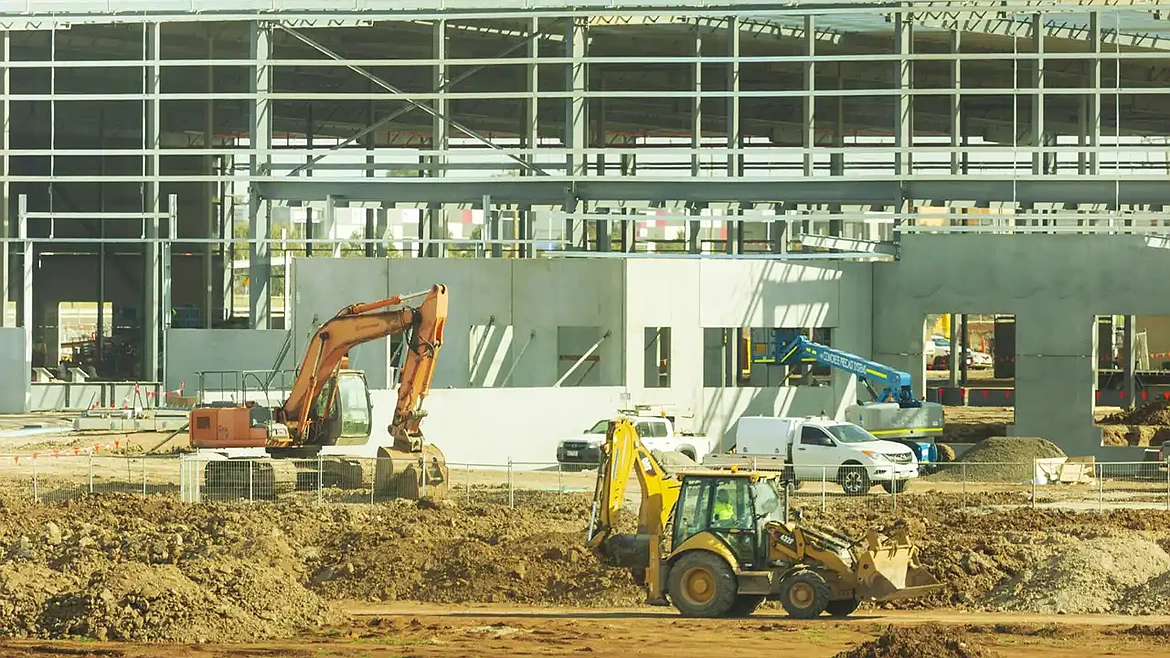
Material costs are rarely the biggest reason construction projects surpass their expected budgets. Most of the blame usually boils down to delays, inadequate planning, labor inefficiencies, and growing operational expenses.
While it's natural to assume that rising material prices are the major threat to a project's bottom line, that's usually not the case. Although material costs are certainly part of the equation, successful contractors and project owners know that everything from controlling schedules and communication to operations has a much larger impact on profitability. Far-sighted planning and efficient construction budget management, among other strategies, can help you avoid pricey surprises.
What Exactly Causes the Biggest Unanticipated Construction Costs?
Budget overruns usually begin well before crews even show up at the job site. The following can create problems that become more and more expensive as construction progresses:
- Incomplete project plans
- Inaccurate estimates
- Unrealistic timelines
One of the most typical sources of unexpected construction costs is scope creep. Clients sometimes ask for design changes after work has already begun.
Doing this often calls for extra labor, new permits, and different materials altogether. Even small revisions can throw a wrench into schedules and skyrocket expenses across multiple trades.
Hidden site conditions can also lead to mounting financial challenges. For instance, the following may not become clear until excavation is underway:
- Underground utilities
- Unstable soil
- Drainage issues
- Environmental concerns
Tackling these problems often means using specialized equipment and additional engineering work.
Permit delays and inspection failures can be just as costly. Every day that a project stagnates wastes more resources, because it still requires supervisors, equipment, insurance, and administrative support. Lost productivity can stack up fast, even when little to no actual construction is taking place.
Robust construction project planning is the best way to reduce most of these risks. You can pinpoint potential obstacles before work commences. The following also help keep projects moving forward like a well-oiled machine:
- Detailed schedules
- Realistic budgets
- Early coordination
Why Do Overhead Expenses In Construction Grow So Fast?
A great many project owners focus almost exclusively on direct costs like labor and materials. Indirect operating costs tend to receive less attention despite having a sizable effect on the project's budget.
Overhead expenses in construction almost always include the following:
- Office operations and project management
- Insurance
- Software subscriptions
- Equipment ownership
- Accounting services
- Vehicles and fuel
- Administrative staff
It's easy to see how every active project contributes to the ongoing business costs listed above.
Extended schedules balloon overhead expenses. A project that finishes several weeks late could mean the difference between staying within one's budget and going into the red. Equipment remains unavailable for new work, supervisors remain assigned to the project, and financing costs may continue to amass.
Labor productivity also affects overhead. Crews waiting for inspections, missing materials, or updated drawings add to payroll expenses either way. Better scheduling helps workers stay productive while reducing unwarranted downtime.
The savviest contractors go out of their way to prioritize cost-saving construction. They improve efficiency rather than merely negotiating lower prices with suppliers. Completing projects on time tends to translate into more dollars saved than securing modest discounts on materials.
How Can Better Construction Project Planning Reduce Budget Overruns?
Everything starts with proper, thorough planning. It's one of the strongest tools for controlling construction costs. Meticulous preparation helps pinpoint risks before they spiral into bank-breaking problems.
Accurate estimating provides a more grounded understanding of the following:
- Labor requirements
- Equipment needs
- Subcontractor availability
- Project timelines
Reliable estimates allow owners to make wiser financial decisions from the get-go.
Crystal-clear communication among architects, engineers, contractors, subcontractors, and owners reduces the likelihood of misunderstandings that lead to changing orders or costly rework. Consistent meetings help everyone stay on the same page throughout construction.
Risk management should also be a staple of every project plan. Contingency budgets allow teams to respond to sudden events without putting the whole project on the chopping block.
Regulatory compliance deserves equal attention. Following an ERCES compliance guide can help contractors meet emergency responder communication system requirements while steering clear of the following:
- Failed inspections
- Redesigns
- Expensive corrections
Addressing compliance requirements early can put a stop to unnecessary delays. It also protects the project schedule.
Don't forget about routine budget reviews. Doing this throughout construction supports efficient budget management. Comparing actual costs against projections allows project managers to identify growing problems and make adjustments before they turn into substantial losses.
Frequently Asked Questions
Can Technology Help Control Construction Costs?
Of course. Modern construction software makes it far easier to track budgets, keep an eye on schedules, and manage documents. You can even communicate with project teams in real time.
Digital tools are able to quickly highlight budget variances and scheduling conflicts. By using them, you can improve collaboration between contractors and subcontractors.
Better access to accurate information allows project managers to make more confident decisions before any issues get out of control.
How Often Should One Review Construction Budgets?
Construction budgets should be reviewed on a consistent basis throughout the life of the project rather than only at major milestones. Weekly or even biweekly budget reviews make it possible for project managers to compare actual spending with projected costs. They can also discover trends and respond faster to potential overruns.
Periodic monitoring also improves forecasting and gives owners greater assurance that the project remains financially on track.
How Does Weather Affect Construction Budgets?
Everything from heavy snowfall and rain to high winds and extreme temperatures can put a damper on construction and reduce worker productivity. Weather-related interruptions may also do the following:
- Extend equipment rentals
- Increase labor costs
- Postpone inspections or material deliveries
Building realistic weather allowances into the project schedule is a good rule of thumb.
A Thoughtful Construction Budget Can Make a World of Difference
While no construction budget is absolutely perfect, you can give your project the best chance by leaving no stone unturned. It's also helpful to have regular budget meetings and a contingency plan in place.
You can get the news you need from our passionate publication. We post about local developments and more, so be sure to follow our site. That way, you'll always have access to fresh content right away.
This article was prepared by an independent contributor which helps us continue delivering quality content to our audiences.