
Warehouse design decisions that last for decades
Stephanie Heron | Hungry Horse News | UPDATED 2 months, 1 week AGO
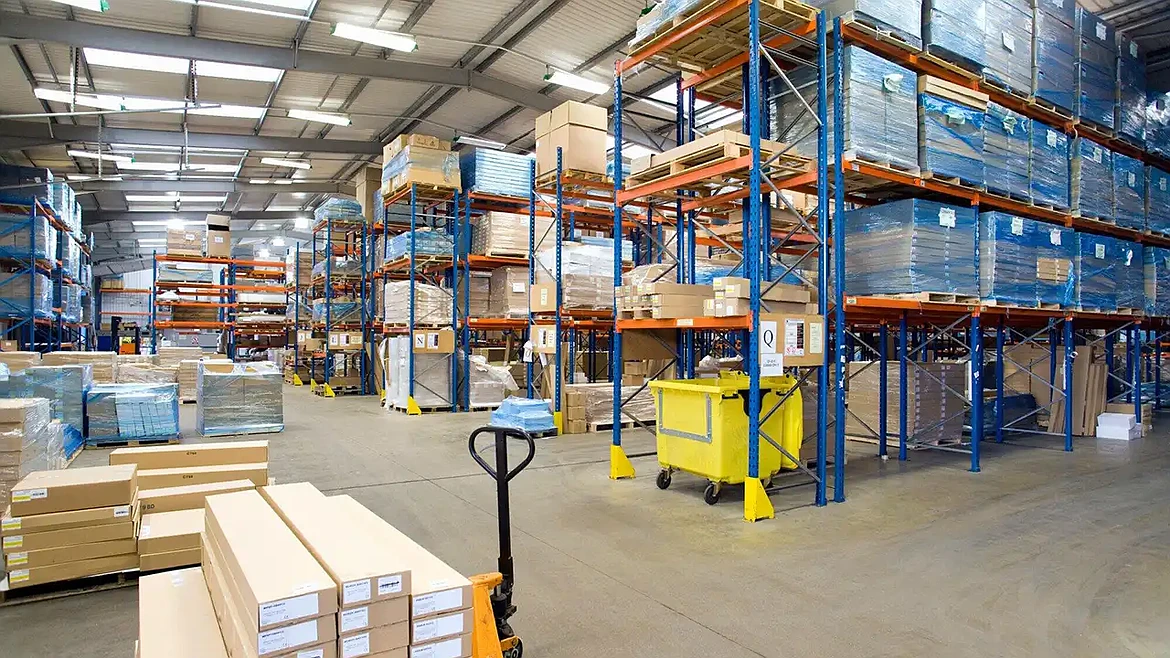
Warehouse design decisions that last for decades involve building around long-term operational flexibility and prioritizing floor slab and structural integrity from the start. You should also have design infrastructure that supports future technology and take care to balance employee efficiency with safety and comfort.
According to BOSTONtec, labor is the highest operating cost in a warehouse and comprises anything from 50% to 70% of a company's warehousing budget. If you don't have an efficient warehouse layout, it can put workers off, creating serious issues with turnover and productivity.
To keep employees happy, employers should put more thought into warehouse design that can last for decades. Here are key strategies you should employ.
Should You Build Around Long-Term Operational Flexibility?
The most durable warehouse designs are those that can adapt as business needs change. During warehouse planning, rather than optimize every square foot for today's inventory profile, you should leave room for future growth, automation, and workflow adjustments.
Wide column spacing, modular warehouse pallet racking systems in Canada, and flexible staging areas make it easier to introduce new equipment or accommodate changing product lines without major reconstruction.
Ceiling height also plays a long-term role. It allows you to expand vertically with higher storage systems if inventory demands increase and you need long-term storage solutions.
Prioritize Floor Slab and Structural Integrity From the Start
Some of the most important warehouse design decisions are literally built into the foundation. The floor slab has to be engineered to support anticipated equipment, storage systems, and traffic patterns for decades.
In addition, the following can all place different stresses on the concrete:
- Heavy forklifts
- Automated guided vehicles
- Dense pallet storage
- Specialized machinery
Investing in high-quality engineering during construction often costs far less than reinforcing structural components after the building is operational.
Design Infrastructure That Supports Future Technology
Warehouse technology evolves much faster than buildings do, and this makes infrastructure planning a critical long-term decision. Even if advanced automation isn't part of today's budget, facilities should be designed to accommodate future upgrades.
These things can simplify the installation of tech later on:
- Adequate electrical capacity
- Strategically placed conduit pathways
- Robust Wi-Fi coverage
- Fiber connectivity
- Sufficient power distribution
Designing with technology in mind doesn't require purchasing every new system immediately; it just ensures the building won't become obsolete.
How Can You Balance Employee Efficiency With Safety and Comfort?
A warehouse may operate for decades, but its success ultimately depends on the people working inside it every day. Space optimization that improves employee movement, visibility, and ergonomics delivers long-lasting value through higher productivity and fewer workplace injuries.
The following can all contribute to a safer and more efficient environment:
- Clearly separated pedestrian and equipment traffic lanes
- Well-positioned break areas
- Natural lighting where possible
- Effective ventilation
- Comfortable climate control
Investing in worker-focused design supports recruitment and retention in competitive labor markets, too.
Optimal Warehouse Design Is Worth It
Don't skip over warehouse design, as it's crucial. If it's done well, then it'll accommodate both workers and inventory, no matter how big the business grows.
To read more articles, browse more of our pages now.
This article was prepared by an independent contributor which helps us continue delivering quality content to our audiences.