
The housing crisis is driving a shift from mega projects to neighborhood infill
Haley Crim | Bonner County Daily Bee | UPDATED 3 months, 3 weeks AGO
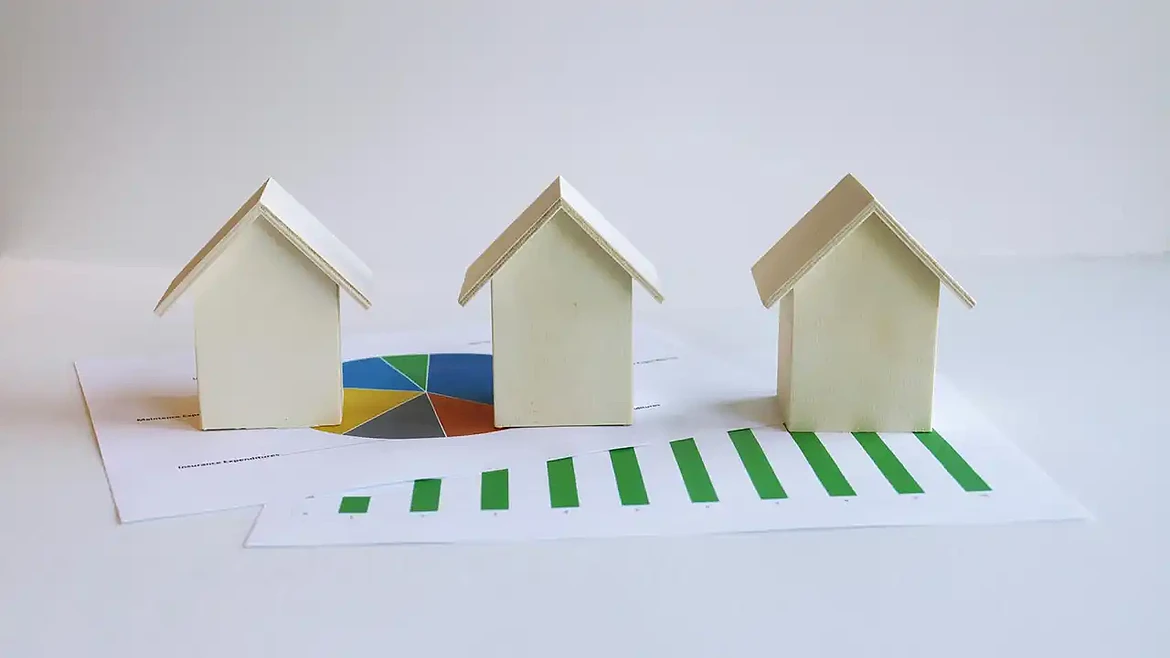
Infills are one of the main developments that construction companies and local governments are using to combat the current housing crisis. Some of the key benefits of infills and other urban development trends include sustainability, the rise of mixed-use spaces, and technology-heavy designs.
As reported by CBS News, more than 75% of homes across the United States are unaffordable for the average homebuyer. The statistic highlights the growing issue of not enough inventory and other factors that all contribute to a housing crisis.
Mega projects vs. neighborhood infill is one of the key debates currently taking over the housing market.
Is the U.S. Currently in a Housing Crisis?
Many would say yes. A combination of factors contributes to housing being at the most unaffordable level in history, including:
- Higher home prices, inherited from the market craze of 2020 through 2022
- Higher interest rates
- Stagnant wages that haven't kept up with inflation in most areas
- Red tape preventing governments from prioritizing new housing
- Rising construction costs due to tariffs and lower material inventories
- Private equity companies and cash buyers taking existing inventory
Which State Has the Biggest Housing Crisis?
While the housing crisis affects every state, some key areas are being hit the hardest. Despite its size, California leads the nation in housing unaffordability, with individuals spending a higher percentage of their overall income on rent or mortgage payments.
However, states like Montana also face major housing affordability problems. As homebuyers from states with higher cost-of-living move to more affordable areas, they price out locals, which exacerbates the issue.
What Are Some Key Urban Development Trends?
As the housing crisis continues, more consumers are attracted to urban residences rather than traditional suburbs. Urban communities tend to be less expensive and have better transportation, among other benefits. Here are some of the trends in current urban housing.
Community-Driven Development
Community-driven development means that residents and local business owners of a certain area make key decisions regarding new construction. Residents need to have a voice in how, when, and where structures are built, as they will be the ones impacted long after the construction crews leave.
Community-driven development helps keep contractors and builders accountable as well. Direct, day-to-day interaction with residents puts more pressure on companies to follow through with their commitments.
Smart Technology and Design
Newer structures in urban areas feature more smart technology that is built right into the designs. With internet connectivity embedded into many different objects, such as street lamps and traffic lights, it is easier than ever for city authorities to monitor:
- Traffic conditions
- Pollution and air quality
- Waste management
- Infrastructure based on an ever-changing population
Mixed-Use Spaces
One unique feature of urban areas is the prevalence of mixed-use spaces. Many buildings have businesses on the bottom floor, and residential housing on the second floor and above.
Although mixed-use spaces are most common in the vertical layout, they can also be present horizontally. Typically, in residential areas such as suburbs, mixed-use spaces are shopping centers in the middle of housing complexes that are accessible to residents.
Sustainability
Cities continue to lead the charge in green energy and sustainability. New construction often has solar panels built right in as a way to lower reliance on the traditional electrical grid.
Another goal of urban infrastructure is to bring more elements of nature into the building designs. New buildings often incorporate greenery, such as outside plant life or gardens, into the building plan from the get-go.
Mega Projects vs. Infill
Two of the main vectors for new housing in the United States are mega projects and neighborhood infill. A recent uptick in neighborhood infill relates to the desire of homeowners to live in more urban settings. Modifying existing space rather than expanding reduces the need for expensive infrastructure.
Mega projects also require more red tape and bureaucratic approval processes than neighborhood infills. They tend to have more impact on existing communities, and current residents may oppose actions to build massive new complexes.
Following complex development and building codes can be both costly and time-consuming. It is often much easier to fill in available gaps within established communities.
If you are interested in learning more about the differences between neighborhood infills and mega projects, contact Middle Housing Partners.
Frequently Asked Questions
Is Now a Good Time for First-Time Homeowners To Buy?
Whether now is a good time for first-time homeowners to buy depends on their goals and budgets. Buyers with larger budgets may not see a substantial difference in housing affordability. However, individuals relying on lower mortgage interest rates might be priced out of homes that they could previously afford.
Home affordability also relies on state or city programs that help first-time homebuyers with down payment assistance or closing costs. If you are looking to purchase your first home, ask your real estate agent or mortgage broker about options that you may qualify for, which could help you lessen your overall costs and lead to a lower monthly payment.
Ultimately, just like the stock market, it is almost impossible to time the real estate market. Rather than waiting for the perfect time to jump in, analyze what you can afford and buy when it feels comfortable.
Will the Housing Market Improve in 2026?
It is difficult to tell based on the volatility of the current market. Interested homebuyers should remain optimistic, but still remain cautious and budget for higher interest rates and home prices.
Will Mega Projects Experience a Revival?
It's possible. When economic conditions improve, there may be more room in the market for mega projects. Mega projects are most profitable when more consumers have the bandwidth to buy new-construction homes in younger communities.
Learn More About Housing Market Changes
Even though the United States is currently experiencing a housing crisis, it is still important for potential homebuyers and investors to stay on top of real estate trends. With this guide, you can make an informed decision for your next home purchase and decide what type of home best suits the needs of your household.
Would you like to learn more about the latest trends in real estate? Take a look around our website for updates and information.
This article was prepared by an independent contributor which helps us continue delivering quality content to our audiences.