
Brilliant ways to use layered lighting at home
April D. Lee | Daily Inter-Lake | UPDATED 3 months, 3 weeks AGO
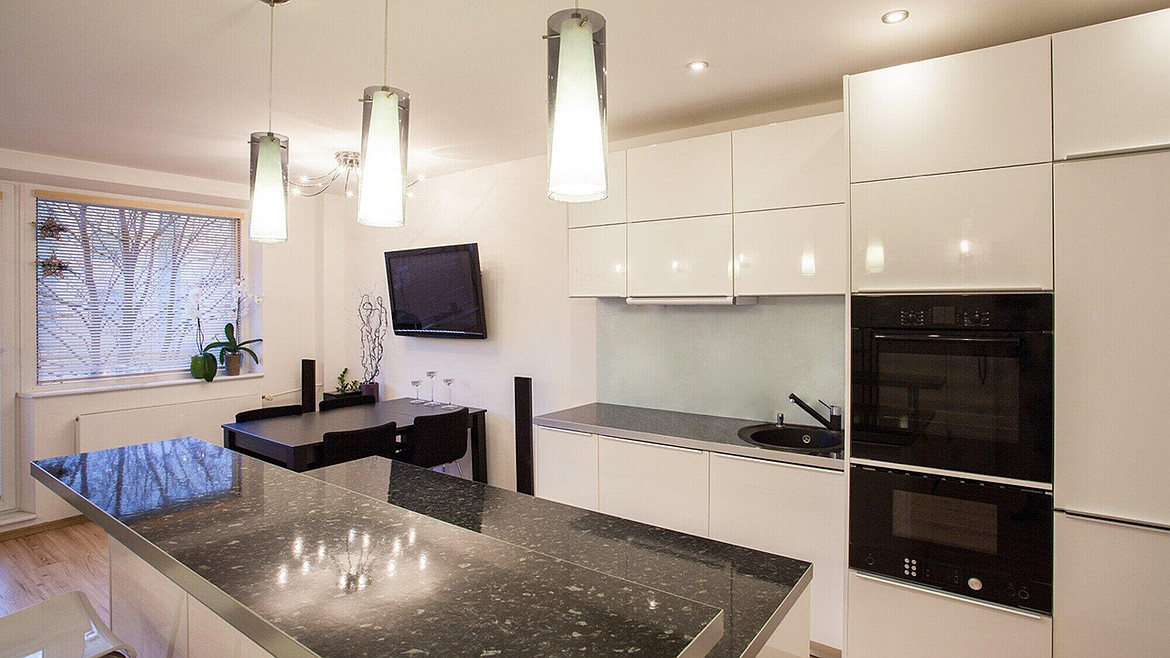
Layered lighting combines ambient, task, and accent sources to make rooms useful, balanced, and inviting. A strong plan supports daily activities and gives homeowners control over their mood.
One harsh ceiling fixture can make a beautiful room feel flat.
Corners stay dark. Work surfaces collect shadows. Artwork loses impact.
A better plan can support cooking, reading, working, entertaining, and relaxing. Each layer serves a purpose.
Well-planned light does more than brighten a room. It defines how the space feels and functions.
What Are the Three Layers of Lighting?
Ambient light provides broad illumination for safe movement. Task light focuses on work areas.
Accent light draws attention to:
- Art
- Shelves
- Textures
- Architectural details
Designers combine all three because one source rarely meets every need. Common examples include:
- Ceiling fixtures for ambient light
- Desk lamps for task light
- Sconces for accent light
How Do You Layer Lighting in a Room?
Start with the room's purpose. Create even ambient coverage. Add focused light where people:
- Read
- Cook
- Work
- Dress
- Apply makeup
Finish with accent sources that guide the eye. Separate switches or dimmers make each layer easier to control.
Fixture height also matters:
- Ceiling lights illuminate from above.
- Sconces brighten walls and faces.
- Table and floor lamps bring light closer to eye level.
Layering at different levels adds range and visual interest.
Now, let's look a little closer at some ways to layer lighting at home.
Plan Around the Room's Purpose
Strong interior lighting techniques begin with behavior, not fixture style. A living room may support conversation, television, reading, and entertaining. A kitchen may support cooking, dining, homework, and cleanup.
Assign light to each activity before selecting fixtures. Room-by-room planning helps homeowners consider:
- Placement
- Intensity
- Energy use
- Function
This approach ensures that lighting choices align with how each space is actually used.
Build a Comfortable Ambient Base
Effective ambient lighting tips focus on even coverage rather than maximum brightness. Recessed lights, pendants, chandeliers, flush mounts, and daylight can create the base layer.
Avoid relying on one bright central fixture. Several smaller sources can spread light more evenly.
Warm light often suits living rooms and bedrooms. Clearer light may suit kitchens and offices. Layering ambient sources can also reduce harsh shadows and improve overall comfort.
Ambient light should support the room without overpowering every other layer.
Place Task Lighting Where Work Happens
Kitchens benefit from under-cabinet lighting because overhead fixtures may leave shadows on counters. Placing the source near the cabinet's front edge helps spread light across the work area. Frosted lenses can soften reflections from glossy surfaces.
Home offices need focused light without screen glare. Place a desk perpendicular to a window when possible.
Set an adjustable lamp opposite the dominant hand to reduce writing shadows. Proper task lighting can improve both productivity and visual comfort.
Use Accent Lighting to Create Depth
Smart lighting design ideas direct attention with purpose.
Picture lights can highlight art. Wall washers can reveal texture.
Shelf lighting can display books. Small lamps can brighten dark corners.
Keep accent lighting selective. Too many highlighted objects compete for attention.
The Lighting Shoppe shows how sconces, picture lights, under-cabinet fixtures, and portable lamps can support different layers. Thoughtful placement helps create visual hierarchy and depth within the room.
Add Light at Lower Levels
Many home lighting solutions stop at the ceiling. Better plans include light near the floor and at eye level:
- Toe-kick lighting can provide a gentle kitchen night light.
- Ground-level bathroom lighting can create a soft pool of illumination.
- Under-bed lighting, console lamps, and sconces offer similar effects.
- Lower-level lighting can also enhance safety by improving visibility at night.
Control Each Layer Separately
Dimmers are among the most practical advanced lighting strategies. Bright task lighting may help during meal preparation or paperwork. Softer ambient and accent light may suit dinner or quiet evenings.
Separate controls let one room support several activities. Smart systems can group fixtures into scenes.
Standard dimmers also provide useful flexibility. Independent control allows users to adjust lighting quickly based on changing needs.
Avoid Common Lighting Mistakes
Many homeowners overlook key details when planning their lighting layout. These oversights can reduce both comfort and functionality in a space. Common mistakes include:
- Using only recessed ceiling lights
- Mixing clashing color temperatures
- Leaving work surfaces in shadow
- Highlighting too many objects
- Putting every source on one switch
A balanced plan also accounts for daylight. Sheer curtains or adjustable blinds can reduce glare while preserving natural light. Lighter walls can help distribute daylight.
Frequently Asked Questions
How Many Light Sources Should a Room Have?
No fixed number works for every room. Size, ceiling height, layout, daylight, and activities affect the plan.
Most main rooms need at least:
- One ambient source
- One task source
- One accent source
Larger spaces may need several fixtures within each layer. Focus on complete coverage and useful controls rather than fixture count.
A lighting map can reveal dark zones before installation begins. Planning ahead can also help avoid costly adjustments later.
Should Every Light Use the Same Color Temperature?
Matching color temperatures often creates a unified look. Limited variation can support different functions.
Warm light often suits bedrooms, dining rooms, and living rooms. Neutral light can improve clarity in kitchens, bathrooms, and offices.
Large differences within one sightline may feel disconnected. Choose one main temperature, then keep nearby fixtures within a close range. Consistency helps maintain a comfortable and visually balanced environment.
Can Layered Lighting Work in a Small Room?
Small rooms often benefit from layering because compact sources can reduce harsh contrast. Use the following:
- A flush ceiling fixture for ambient light
- A wall-mounted lamp for tasks
- One discreet accent source
Mirrors and light-colored surfaces can reflect illumination without adding floor clutter. Dimmers also help a small room shift from bright and practical to calm and comfortable. Thoughtful placement ensures the space feels open rather than crowded.
Improve Every Room With Layered Lighting
Layered lighting can make a home more functional, comfortable, and visually complete. A clear plan combines general illumination, focused task light, and carefully placed accents.
Start with how the room is used. Add only sources that serve a clear purpose.
Explore our other guides and articles for more practical interior design and home improvement ideas.
This article was prepared by an independent contributor which helps us continue delivering quality content to our audiences.