
Explore why remote destinations are today's travel hotspots
Stephanie Heron | Lake County Leader | UPDATED 3 months, 3 weeks AGO
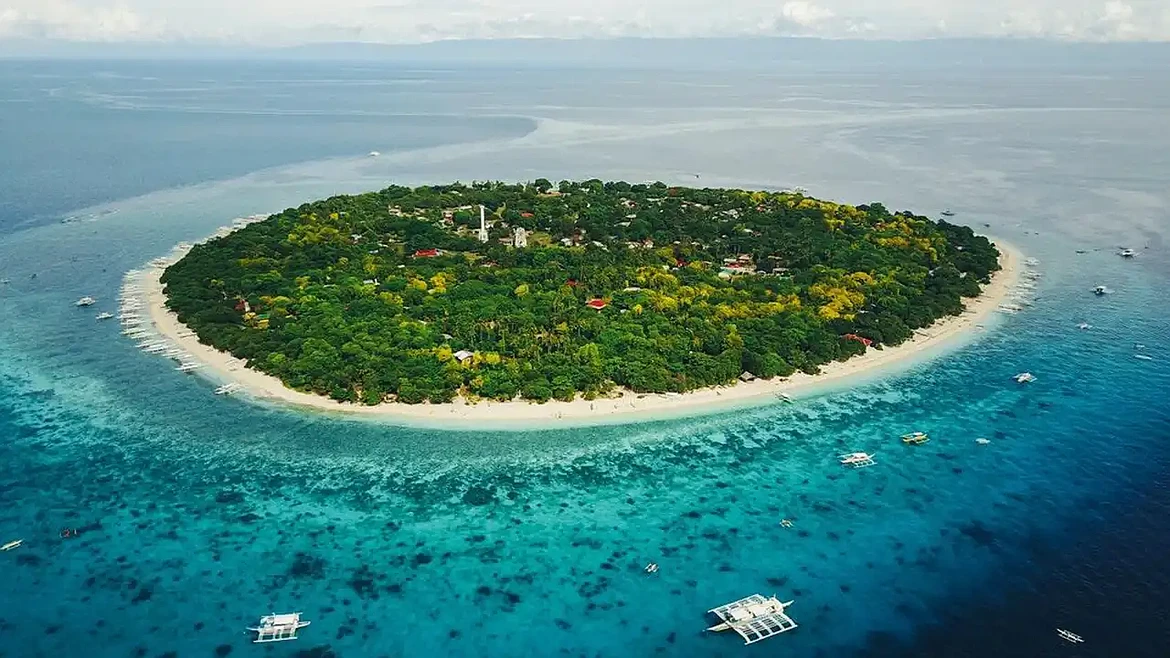
Remote destinations are today's travel hotspots because travelers are prioritizing seclusion over crowds, and improved infrastructure has opened previously hard-to-reach places. Social media has also sparked interest in hidden gems, and remote tourism is encouraging sustainable travel choices.
The US Travel Association says that domestic travel accounts for 87% of total travel spending for Americans, and this is following a 2.1% growth in 2025. Americans like to travel, whether domestically or internationally.
One of the emerging travel trends is people going to remote destinations instead of well-established areas.
Are Travelers Prioritizing Seclusion Over Crowds?
People are moving away from packed tourist hubs in favor of destinations that offer peace, space, and a stronger connection to nature. Remote locations are the new tourist hotspots, whether they're tucked away in the mountains, hidden along quiet coastlines, or deep within national parks.
Excursions such as those from Far and Away Adventures provide an escape from long lines, heavy traffic, and overcrowded attractions. This shift is driven by a growing desire for slower, more meaningful travel experiences rather than checking famous landmarks off a list. Visitors often spend more time hiking, wildlife watching, stargazing, or simply relaxing in tranquil surroundings.
Improved Infrastructure Has Opened Previously Hard-to-Reach Places
Advances in transportation and tourism infrastructure have made off-the-beaten-path travel much more viable. These things have made remote areas easier to access without sacrificing their natural appeal:
- New regional airports
- Better-maintained roads
- Expanded ferry services
- Eco-friendly lodging
Digital navigation tools and mobile connectivity also give travelers greater confidence when exploring unfamiliar regions.
In addition, local governments and tourism organizations have invested in sustainable infrastructure that supports visitors while protecting the surrounding environment. This results in travelers enjoying unique landscapes and cultural experiences in places that were once difficult to reach.
Has Social Media Sparked Interest in Hidden Gems?
Travelers used to rely solely on traditional guidebooks, but now they're discovering hidden travel spots through social media creators, travel photographers, and online communities. They see things like stunning drone footage and unique accommodations, which inspire visitors to explore places they'd never previously considered.
These lesser-known destinations offer fresh experiences and distinctive visuals that appeal to travelers looking for something different. This steady exposure has helped many hidden gems become sought-after destinations without needing large-scale commercial development.
Remote Tourism Is Encouraging Sustainable Travel Choices
Many remote travel destinations are embracing sustainable tourism models that prioritize conservation, local culture, and responsible visitor behavior. These communities often focus on:
- Small-scale accommodations
- Guided nature experiences
- Locally owned businesses
- Environmental education
People now want vacations where their spending directly benefits local residents while minimizing ecological impact. Activities such as wildlife conservation tours, community-led cultural experiences, and low-impact outdoor recreation encourage them to appreciate destinations without feeling overwhelmed. This approach creates a balance between economic opportunity and environmental protection.
People Are Flocking to Remote Destinations
Remote destinations weren't of interest to travelers in the past, but not anymore. Now they're hotspots that encourage people to expand their worldviews, and they're inspiring travelers to think outside the box.
Browse more of our pages now to find more interesting articles.