
Why moving to Florida feels like winning - until the annual bills start arriving
Billie Pollisotto | Coeur d'Alene Press | UPDATED 12 hours, 9 minutes AGO
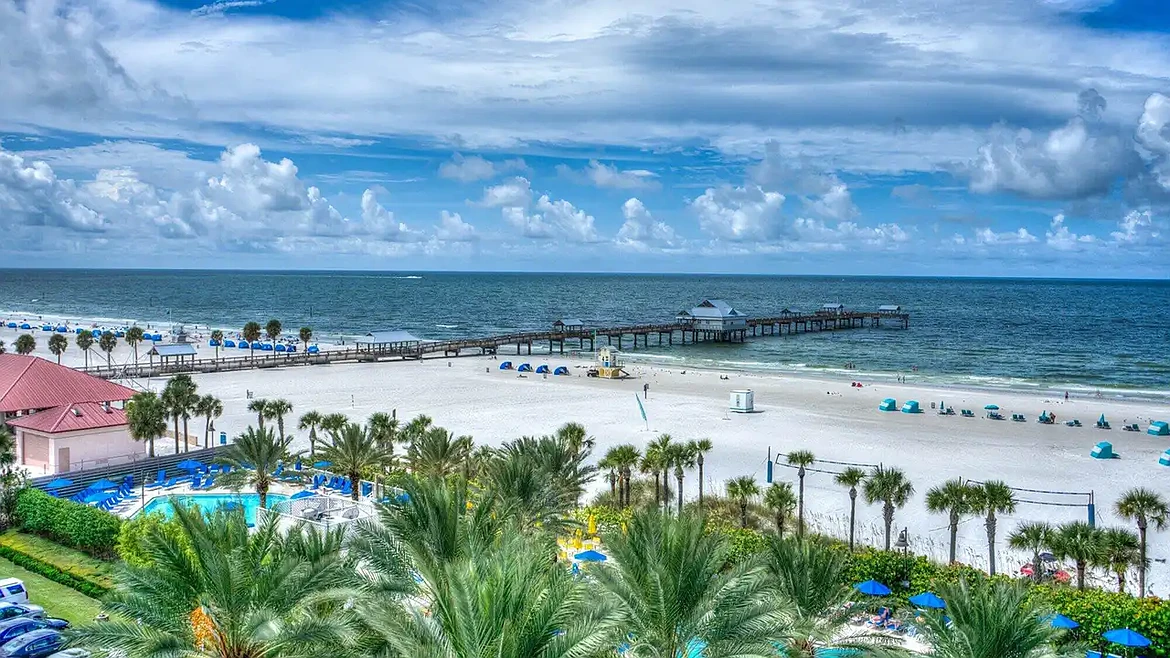
Moving to Florida can bring sunshine, warm winters, and the appeal of no state income tax, but those savings do not always tell the full financial story. Annual expenses such as homeowners insurance, flood coverage, HOA fees, property taxes, and rising utility costs can reshape a household budget, making it important to understand the true cost of living before making the move.
The moving truck pulls away, palm trees sway outside the window, and the dream of year-round warmth finally feels real. Then the first wave of annual bills arrives, turning excitement into a closer look at the numbers.
Florida continues to bring in new residents with its lifestyle and tax advantages. Long-term affordability depends on preparing for recurring costs that many buyers and renters overlook before they unpack.
What Is the Downfall of Living in Florida? Annual Housing Costs
The purchase price of a home is only part of the financial picture. Annual housing costs can add thousands of dollars to a homeowner's budget, making them just as important to consider before moving to Florida.
One of the biggest recurring expenses is Florida property insurance. Premiums have risen in many parts of the state because insurers must account for hurricane risk, severe weather, rebuilding costs, and local claims history.
Rates vary depending on things like the home's age, construction, location, roof condition, and distance from the coast. Two similar homes may have very different insurance costs.
Property taxes are another major expense. A home's taxable value may be reassessed after a sale, meaning new owners could pay considerably more than the previous owner.
Buyers should estimate taxes based on the purchase price rather than the seller's most recent tax bill. Homeowners should also budget for recurring expenses that are easy to overlook, including:
- Homeowners association fees
- Flood insurance, if required
- Roof inspections and repairs
- Air conditioning maintenance
- Pest control services
- Lawn care and landscaping
- Irrigation system upkeep
- Exterior cleaning and painting
Do You Need to Own a Car if You Live in Florida?
Owning a car is a necessity for many Florida residents, especially in suburban and rural communities where public transportation is limited.
Auto insurance is often one of the highest recurring costs. Premiums depend on factors such as your driving record, vehicle type, age, location, and coverage limits. Drivers relocating from another state may find that their rates change after establishing Florida residency.
Fuel is another ongoing expense to consider. Long commutes, weekend road trips, and daily errands can quickly increase annual gasoline costs, particularly in regions where driving is the primary mode of transportation.
Vehicle ownership also includes regular maintenance and unexpected repairs. Drivers should budget for expenses such as:
- Oil changes
- Tire replacements
- Brake service
- Battery replacement
- Air conditioning repairs
- Registration and renewal fees
- Car washes and detailing
- Emergency repairs
Florida's heat and humidity can also take a toll on vehicles over time. High temperatures may shorten battery life, place additional strain on air conditioning systems, and contribute to faster wear on tires parked outdoors for long periods.
Unexpected Moving Expenses
Moving costs rarely end once the last box is unloaded. Many new Florida residents budget for a moving company or rental truck but underestimate the number of one-time expenses that appear during the first few weeks in a new home.
Utility connection fees, security deposits, driver's license updates, vehicle registration, and address changes can all add to the cost of relocating. New homeowners may also need furniture, appliances, window coverings, lawn equipment, or basic household items that were sold, damaged, or left behind during the move.
The climate can create additional Florida relocation expenses that newcomers may not anticipate. The following are common early purchases:
- Purchasing hurricane preparedness supplies
- Installing a dehumidifier
- Servicing an air conditioning system
- Replacing outdoor furniture with weather-resistant options
- Pest prevention
- Landscaping
Temporary housing, storage units, extra fuel, meals on the road, and time away from work can increase relocation costs even further.
Financial Planning for Relocation
Estimate your monthly budget based on your expected:
- Housing payment
- Insurance premiums
- Utilities
- Transportation
- Groceries
- Healthcare
Then account for annual expenses such as property taxes, home maintenance, vehicle registration, and insurance renewals. Looking at the full year instead of a single month provides a more accurate picture of what living in your new community will cost.
It is also wise to build an emergency fund before relocating. Unexpected repairs, temporary housing, medical expenses, or storm-related costs can arise at any time, particularly during your first year in a new home.
Having dedicated savings can prevent these situations from becoming financial setbacks. It is also worth reviewing retirement contributions, investment plans, and debt repayment goals after your move.
Changes in income or taxes may free up money that can be redirected toward building savings or paying down high-interest debt.
Frequently Asked Questions
Is Florida Cheaper Than New York?
New York's overall cost of living is about 16 percent higher than Florida's, although some comparisons show housing costs can be lower in New York on average because home prices vary widely across both states.
That said, your actual expenses depend on where you live. A home in rural upstate New York is very different from one in Miami or Naples.
Florida also has no state income tax, but higher homeowners insurance, hurricane-related costs, and year-round air conditioning can reduce the savings many newcomers expect.
What Industries Are Hiring in Florida?
Florida has a diverse job market with opportunities across several growing industries. Healthcare, tourism and hospitality, construction, logistics, technology, finance, and professional services continue to add workers in many parts of the state.
Hiring demand varies by region, so researching local employment trends before relocating can help you identify areas that match your skills and career goals.
How Can You Avoid Common Moving Scams?
Research every moving company before booking by checking licensing, customer reviews, and complaint history.
Ask for a written estimate, avoid companies that demand large cash deposits upfront, and be cautious of unusually low quotes that seem too good to be true. Before signing any agreement, read the contract carefully, confirm what services are included, and keep copies of all paperwork.
Moving to Florida: Know What You're Getting Into
Moving to Florida isn't as cheap as you might think. Housing costs and moving prices can build up quickly if you're not careful!
Do you need more advice on your next move? Explore some of our other helpful articles ASAP.
This article was prepared by an independent contributor which helps us continue delivering quality content to our audiences.