
5 Best Alternatives to Concrete Pavers
Stephanie Lai | Columbia Basin Herald | UPDATED 1 day, 3 hours AGO
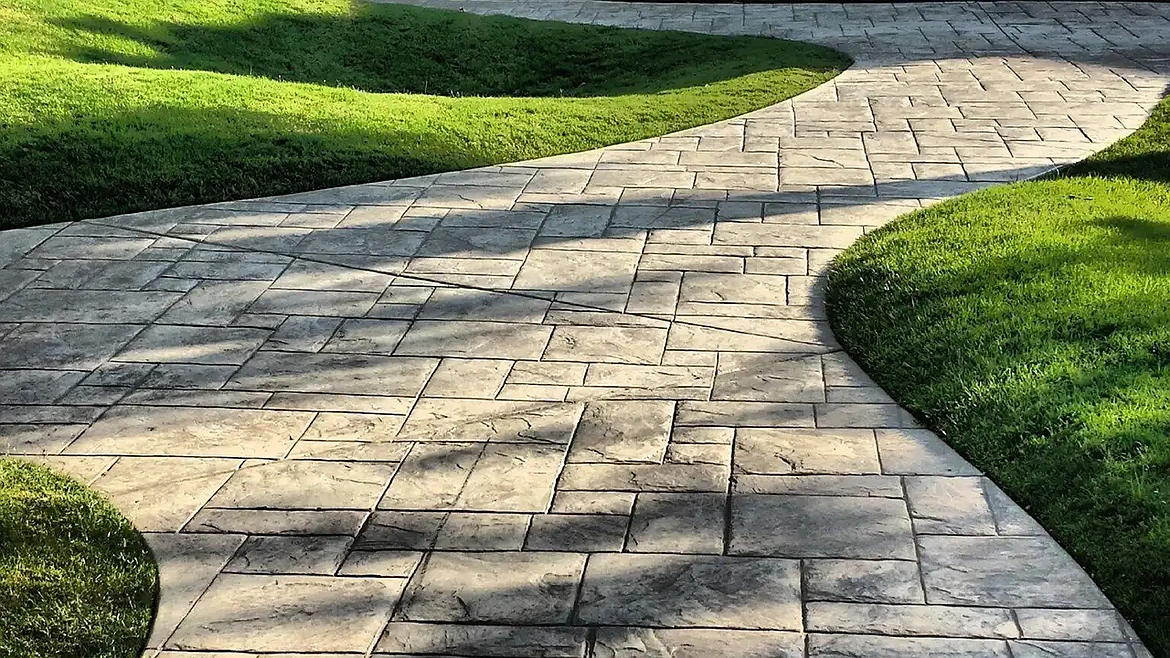
The best alternatives to concrete pavers are brick, natural stone, permeable gravel systems, porcelain pavers, and decking (composite or wood).
According to Market Reports World, the global concrete pavers market was valued at $3.13 million in 2025. This is a clearly popular choice for homeowners, and concrete pavers have proven to be tried and tested. Sometimes, they want to choose something different from the crowd.
The good news is that there are alternatives to concrete pavers that can make properties stand out and have more special and unique appearances. Here are the top ones that homeowners should consider.
1. Brick
Brick is a classic paving material that has been used for centuries, and for good reason. It's made from fired clay, and it offers a warm and traditional appearance that works well with many architectural styles, such as colonial, historic, and cottage-style homes.
Brick surfaces are known for their durability and ability to withstand heavy foot traffic while maintaining their visual appeal. Brick also develops character over time, or you can achieve that immediately through reclaimed bricks.
Since this material is available in a number of colors, patterns, and laying styles, homeowners can use it to create distinctive:
- Walkways
- Patios
- Courtyards
- Driveways
Brick can be more expensive than some alternatives, but it's worth the money spent because of its longevity and low maintenance requirements. It also has a timeless aesthetic.
2. Natural Stone
Natural stone is a premium alternative to concrete pavers since it's persistent through design trends, plus it has exceptional durability. The following natural stones can create unique outdoor surfaces because no two are exactly alike:
- Flagstone
- Bluestone
- Limestone
- Slate
- Granite
It's great for those who don't want manufactured materials, as homeowners can get patios, walkways, pool decks, and garden paths that are highly varied and one-of-a-kind. In addition, natural stone tends to blend seamlessly with surrounding landscapes. A supplier like 1 gives you the options you need for any project.
The initial investment is typically higher than that of concrete pavers, but natural stone has a long lifespan and stunning visual appeal. When it's installed correctly (whether with tight joints for a formal appearance or spaced apart for a more relaxed design), it can last for decades.
3. Permeable Gravel Systems
Permeable gravel systems are a practical alternative to traditional concrete pavers. As the name suggests, these systems use gravel contained within a stabilizing grid that prevents shifting, and there's a neat and finished appearance.
One of the biggest advantages of these is their excellent drainage. Rainwater passes through the gravel and into the ground. This reduces runoff and helps prevent puddles, making it a great choice for:
- Driveways
- Walkways
- Patios
- Garden paths
The material and installation costs can be lower than laying concrete pavers, and the systems are highly customizable, too, with a wide range of stone colors and sizes available. Maintenance generally involves occasional top-offs of gravel and weed control, so this environmentally friendly surface isn't difficult to take care of at all.
4. Porcelain Pavers
Porcelain pavers are a good modern alternative due to their durability, low maintenance requirements, and contemporary appearance, making them ideal for sleek and contemporary outdoor looks. These are manufactured at extremely high temperatures, and the pavers are dense, non-porous, and highly resistant to moisture, stains, fading, and scratches. This makes them well-suited for:
- Patios
- Pool surroundings
- Outdoor kitchens
- Entertaining spaces
Porcelain pavers don't just come in smooth white options, either. They can mimic natural stone, wood, or concrete.
The material absorbs very little water, so it performs well in climates with freeze-thaw cycles. Maintenance is simple, too, as it only requires occasional cleaning.
This is another concrete paver alternative that costs more, but the long-term benefits often offset the initial expense.
5. Decking (Composite or Wood)
Decking materials offer a versatile alternative for outdoor living spaces. Homeowners won't have to create a hardscape surface at ground level; instead, decking provides a raised platform that can adapt to uneven terrain and challenging landscapes.
Many opt for composite decking since it resists moisture, insects, fading, and splintering. There's minimal maintenance compared to traditional wood, too. Other homeowners choose natural wood options, such as cedar and redwood, which have warmth and character.
Decking can work well for:
- Patios
- Outdoor dining areas
- Poolside retreats
- Backyard entertainment spaces
You can combine it with railings, built-in seating, lighting, and pergolas to create a more functional outdoor environment.
Homeowners will face a higher upfront investment with decking, but it offers significant design flexibility. It can also provide an inviting outdoor living area with underfoot comfort.
Frequently Asked Questions (FAQs)
How Do Climate Conditions Affect the Best Choice of Paving Material?
Areas with frequent rainfall may benefit from materials that help manage water effectively, while regions with extreme heat need surfaces that resist cracking, warping, or excessive heat retention. Considering local weather patterns before selecting a material can help improve longevity and reduce long-term maintenance and repair costs.
Which Paving Alternatives Offer the Best Return on Investment?
The best return on investment depends on factors such as:
- Durability
- Maintenance expenses
- How the material enhances curb appeal
Investing in materials with long service lives can reduce replacement costs over time. Homeowners should also consider both initial installation expenses and the total cost of overship over the lifespan of the outdoor surface.
What Should Homeowners Consider Before Installing a New Outdoor Surface?
They should consider the following:
- How the space will be used
- Expected traffic levels
- Any future landscaping plans
During the planning stage, the budget, drainage conditions, accessibility needs, and local building regulations should be reviewed, too. Consulting trusted suppliers such as Chief Bricks early in the process can also help homeowners and contractors choose materials that support both design goals and long-term performance.
There Are More Options Than Concrete Pavers
Concrete pavers may be popular, but they aren't the only option available to homeowners. It's true that these pavers are made of a sturdy material; however, there are many more attractive choices.
People can pick anything from reclaimed bricks and natural stone to permeable gravel systems and wood decking. These options allow them to match outdoor flooring to their current home aesthetics, and this can have visually pleasing results that make their properties stand out.
To read more home improvement topics, check out more of our webpages.
This article was prepared by an independent contributor which helps us continue delivering quality content to our audiences.