
7 Best Natural Stone Products for Landscape Design
Stephanie Lai | The Western News | UPDATED 1 day, 3 hours AGO
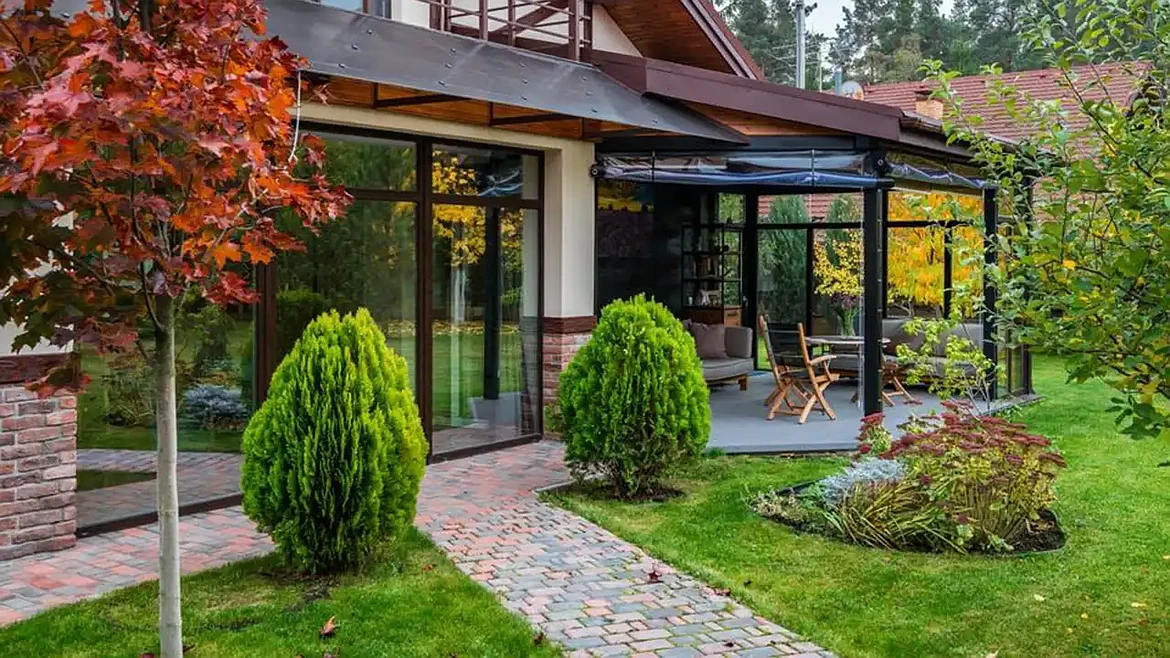
The best natural stone products for landscape design are granite, limestone, sandstone, slate, flagstone, fieldstone, and river rock.
According to LawnStarter, the average landscape designer costs $2,200 to $6,180 per project. As indicated by the money spent, we take great pride in our yards, but often, homeowners focus too much on the organic side of things.
Another important component of landscaping to nail is hardscaping, and excellent design can be achieved through the use of natural stone products. These are the top ones to consider for landscape design to balance everything perfectly.
1. Granite
One of the most popular natural stones that homeowners gravitate toward is granite from Chief Bricks. This material is very durable and has a timeless appearance. It's highly resistant to weathering, scratches, and heavy foot traffic, so it's outstanding for:
- Patios
- Walkways
- Steps
- Retaining walls
- Decorative boulders
Granite also comes in a variety of colors, so it can complement both modern and traditional outdoor spaces.
One of the best things about granite is that it has low maintenance requirements. That makes it especially attractive for homeowners seeking long-term value.
2. Limestone
Limestone has a refined and natural appearance that creates a warm and inviting atmosphere. Because it's relatively easy to cut and shape, designers can create custom features such as:
- Benches
- Garden edging
- Decorative walls
This stone comes in soft, neutral tones, plus it remains cooler underfoot, making it a comfortable option for outdoor gathering areas. It also can blend seamlessly with surrounding vegetation, so it's great for traditional, Mediterranean, and cottage-style landscapes.
Limestone does need occasional sealing to protect against staining and moisture absorption, but with proper maintenance, it can last a long time.
3. Sandstone
Sandstone is available in shades of tan, gold, red, and brown; its rich colors and distinctive textures add character to outdoor environments. This makes it excellent for patios, pathways, and garden features. Its naturally textured surface provides good traction, too, so it's ideal for areas that may become wet.
Each piece of sandstone contains unique grain patterns, so every installation is unique in itself. Designers often use it for:
- Paving
- Retaining walls
- Stepping stones
- Decorative accents
When it's properly sealed and maintained, sandstone is a durable solution that balances beauty and functionality.
4. Slate
Slate is a metamorphic stone, and it has striking color variations and a layered appearance. Its hues range from gray and black to blue, green, and purple, and this results in eye-catching landscaping features. Its natural elegance and textured surface make it fantastic for:
- Patios
- Pathways
- Water features
- Garden borders
Slate is thin and flat, and designers take advantage of this to make creative installation patterns. These can enhance the overall visual appeal of a landscape.
Some varieties of slate may need sealing to preserve the color and prevent weathering, but in general, it's a durable and attractive material.
5. Flagstone
Flagstone can be made from sandstone, limestone, slate, or other rock types; the main thing is that it's flat pieces of natural stone.
Flagstone patios and walkways can be installed in irregular patterns if homeowners want a casual look, or they can use more structured layouts for a formal design. They can also fill the gaps in between the stones with gravel, sand, or groundcover plants to get a seamless connection.
There are numerous color and texture options available, meaning that flagstone can complement almost any architectural style.
6. Fieldstone
Fieldstone refers to stones naturally collected from fields, riverbeds, or other natural environments. They usually have irregular shapes, weathered surfaces, and unique character, so landscape designers often use them to construct:
- Retaining walls
- Garden borders
- Fire pits
- Decorative landscape features
Each stone has a different size and appearance, so fieldstone installations have a highly organic and authentic look. This works especially well for rustic, woodland, and farmhouse-style landscapes where a natural aesthetic is the goal.
Fieldstone can withstand years of exposure to outdoor elements. It needs minimal maintenance, too.
7. River Rock
River rock consists of smooth and rounded stones. As the name implies, they've been shaped over time by flowing water, and the result is a polished and attractive appearance.
River rock is often used in:
- Dry creek beds
- Water features
- Drainage systems
- Garden beds
- Erosion control projects
Thanks to their variety of colors and sizes, these stones let designers create visual contrast and texture. They won't decompose or need frequent replacement, either, and this makes river rock a great alternative to organic mulch for a long-lasting ground cover solution.
Frequently Asked Questions (FAQs)
How Do Natural Stone Products Affect Landscape Maintenance Requirements?
They significantly reduce long-term landscape maintenance, especially since they don't decompose like wood mulch. These surfaces also resist weeds more effectively.
Some stones may need occasional cleaning or sealing, but in general, they hold up to weather exposure well.
What Factors Should Be Considered When Choosing Natural Stone for a Landscape Project?
The main factors to consider are:
- Climate
- Intended use of the stone
- Color
- Texture
- Architectural style
- Maintenance requirements
- Slip resistance
- Drainage performance
A key factor is also your budget; some premium stones have higher installation and material costs.
Can Natural Stone Increase Property Value and Curb Appeal?
Yes, it can do both. Not only is natural stone polished in appearance, but it's also durable and long-lasting.
The exact return on investment varies by market and project scope, though. Despite that, overall, professionally installed natural stone landscaping can add value to a property.
Natural Stones Can Elevate Your Landscape Design
You may have picked out the plants, flowers, and trees you want for your yard, and it may have a beautifully cohesive design. To truly complete it, though, you'll need a bit of hardscaping.
This is doable through natural stones, which provide a nice contrast to greenery without being overly harsh or cold. They come in various colors, shapes, and sizes as well, which allow homeowners to put together designs that are exclusive to their properties.
To find more helpful tips for home design, keep reading our website now.
This article was prepared by an independent contributor which helps us continue delivering quality content to our audiences.