
Boat clubs are attracting people who want flexible water access
Stephanie Heron | Daily Inter-Lake | UPDATED 1 day, 3 hours AGO
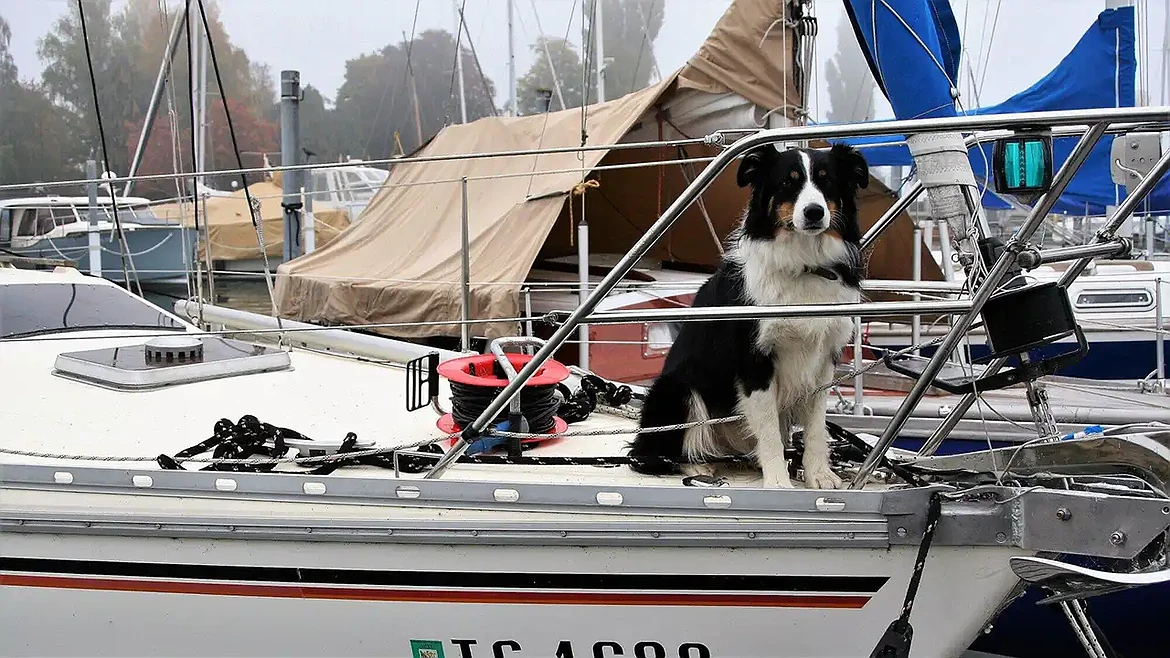
Boat clubs are attracting people because they offer a more flexible alternative to traditional boat ownership, and shared boating communities create social connections and new experiences. Boat clubs also appeal to younger generations seeking experiences over possessions, and professional support and learning opportunities make boating less intimidating.
According to the National Marine Manufacturers Association (NMMA), around 85 million Americans go boating each year. It can be a nice pastime, but not everyone has the money to buy a personal boat. It also costs time and money to maintain a vessel, which can be discouraging.
Many people today are turning to boat clubs instead, as these offer several benefits.
What Is the Meaning of Boat Club?
A boat club is an organization that gives members access to boats and boating-related amenities without requiring them to own a vessel themselves. Depending on the club, members may:
- Reserve different types of boats
- Participate in social events
- Receive boating instruction
- Join organized outings on lakes, rivers, or coastal waters
Many clubs handle maintenance, insurance (such as HH Insurance boat coverage), storage, and cleaning so that members can enjoy time on the water without the responsibilities that come with ownership. Membership structures vary, with some charging initiation fees and monthly dues, while others offer flexible pay-as-you-go options.
Why Are Boat Clubs Attracting People?
As you can see, boat clubs seem like a fantastic idea. These are the exact reasons why people are flocking to this option.
They Offer a More Flexible Alternative To Traditional Boat Ownership
Boat clubs are attracting members since they offer a way to enjoy boating experiences without the long-term commitments associated with purchasing a vessel. Members can often choose from different boat types based on their plans, such as a river yacht.
This flexibility appeals to people who have busy schedules and don't want every outing to involve extensive preparation. A boat share rental also allows newcomers to explore boating before deciding whether ownership is right for them.
By turning boating into a more accessible lifestyle option rather than a major financial investment, these clubs are expanding the appeal of time spent on the water.
Shared Boating Communities Create Social Connections and New Experiences
A major reason boat clubs are growing in popularity is the sense of community they provide. Members are drawn not only to access on-water activities such as lake sailing but also to connect with others who enjoy similar hobbies and lifestyles.
Clubs often organize these things that create opportunities for friendships and networking:
- Group excursions
- Educational sessions
- Social gatherings
This community aspect can be especially appealing for people who want to make boating a shared experience rather than a solitary pastime. Boat clubs transform boating from an individual activity into a more connected and memorable experience by combining recreation with social engagement.
Boat Clubs Appeal To Younger Generations Seeking Experiences Over Possessions
Changing attitudes toward ownership are helping fuel interest in boat rental membership, especially among younger adults who prioritize experiences and convenience. Many prefer spending money on access, travel, and activities they can enjoy immediately, and they'd rather not commit significant resources to owning a single boat.
Boat clubs align with this mindset, as they provide opportunities to spend time on the water without tying people to one expensive asset. This approach also fits modern lifestyles where flexibility and mobility are highly valued.
Professional Support and Learning Opportunities Make Boating Less Intimidating
Boat clubs are attracting people who may have always wanted to try boating but felt overwhelmed by the knowledge needed to get started. What's great is that many clubs provide resources that help members build confidence, including:
- Orientation programs
- Safety guidance
- Opportunities to become familiar with different vessels
This can remove barriers for beginners who might hesitate to enter the boating world. They'll have access to structured resources and a community that can help them develop their skills.
Experienced boaters may also appreciate opportunities to improve their abilities through advanced training or new experiences. More approachable boating education helps people feel more comfortable about exploring life on the water.
Frequently Asked Questions
How Should Recreational Boaters Use Commercial Docking Areas?
Commercial docking areas are designed primarily for businesses such as:
- Marinas
- Fuel docks
- Passenger ferries
- Fishing vessels
- Cargo operations
- Charter services
Recreational boaters should only enter these areas when necessary and always follow posted rules, speed limits, and directions from dock staff or harbor authorities. Before approaching a commercial dock, prepare docking lines and fenders so the process is efficient and minimizes delays for working vessels.
What Are the ABCD Categories of Boats?
The ABCD categories of boats are design classifications that indicate the environmental conditions a recreational vessel is intended to handle safely. They are:
- Category A (Ocean): Built for extended offshore voyages where they may encounter severe winds and very large waves
- Category B (Offshore): Suited for offshore travel in challenging but less extreme conditions than Category A
- Category C (Inshore): Designed for coastal waters, large bays, estuaries, and sizable lakes where moderate weather and waves are expected
- Category D (Sheltered waters): Intended for protected environments such as small lakes, canals, and calm rivers
What To Wear to a Sailing Club?
Clothing for a sailing club should balance comfort, practicality, and the venue's dress expectations. Lightweight, moisture-wicking layers work well because weather conditions can change quickly on the water. For footwear, non-marking, slip-resistant deck shoes are preferred.
You'll also need sun protection, so wear:
- Polarized sunglasses with a retention strap
- A brimmed hat or cap
- Sunscreen
If you're participating in sailing activities, bring a waterproof jacket or windbreaker and avoid loose accessories that could snag on equipment.
For social gatherings at the clubhouse, smart casual attire is generally appropriate, unless the club specifies a dress code for formal dinners or special events. Checking the club's guidelines before visiting ensures that you're dressed appropriately.
There's Growing Interest in Boat Clubs
People are placing more emphasis on experiences and are turning away from large and luxurious purchases. Boat clubs are giving them exactly that, and this is why memberships are growing significantly.
If you found this article interesting, then keep reading our other pages now.
This article was prepared by an independent contributor which helps us continue delivering quality content to our audiences.