
How automation is shaping the future of manufacturing
Stephanie Heron | Lake County Leader | UPDATED 4 weeks AGO
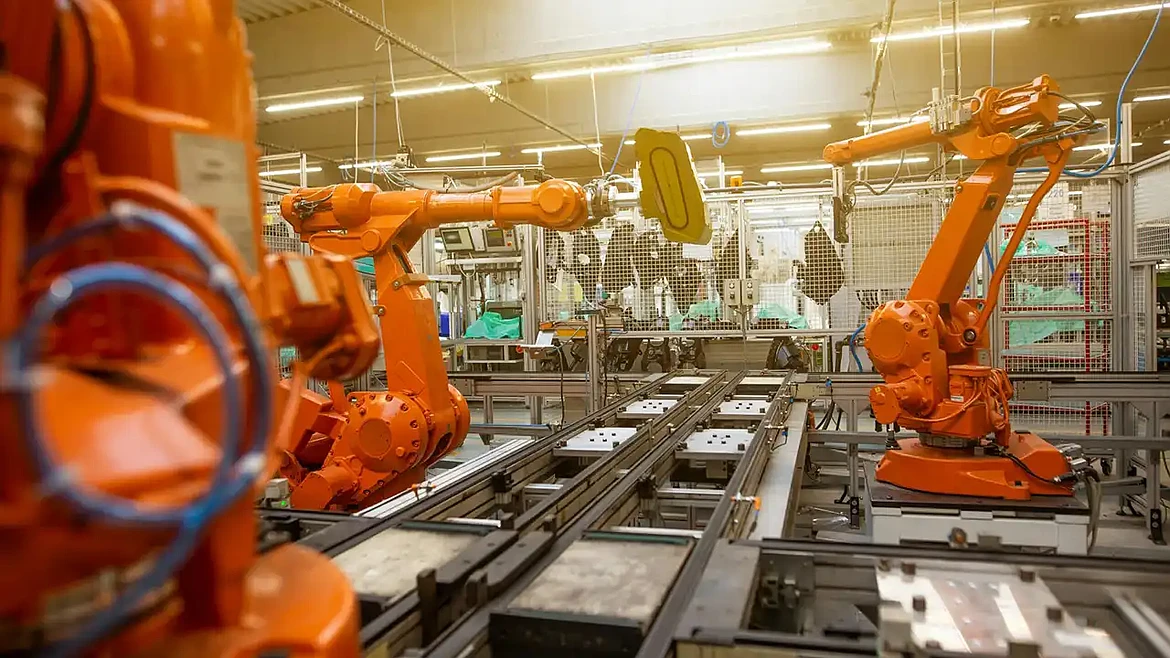
Automation is shaping the future of manufacturing by closing the manufacturing skills gap, and smart factories are using data to improve every step. Collaborative robots are also changing how people work, and flexible automation is supporting more customized production.
According to PwC, by 2030, the share of industrial manufacturers who expect to automate key processes will go from 18% to 50%. Automation is clearly shaping the future of manufacturing, especially as consumer demands grow and production needs exponentially increase.
The impact of automation is significant, and it's here to stay. Here are the ways it's influencing manufacturing trends and more.
Is Automation Closing the Manufacturing Skills Gap?
Manufacturers across industries are struggling to replace retiring workers while recruiting enough skilled employees to meet production demands. One of the top industrial automation benefits is that it helps bridge this gap by taking over repetitive, physically demanding, or highly precise tasks.
This allows existing workers to focus on:
- Programming
- Quality control
- Maintenance
- Process optimization
Automated facilities aren't eliminating every job, either; instead, they're creating demand for technicians, robotics specialists, and data analysts who can manage increasingly sophisticated production systems. Companies are also investing in employee upskilling programs, so experienced workers can transition into higher-value roles.
Smart Factories Are Using Data to Improve Every Step
Automation is becoming more intelligent, thanks to connected machines, sensors, and industrial Internet of Things (IIoT) technology. Modern production equipment continuously collects data on:
- Machine performance
- Product quality
- Energy consumption
- Maintenance needs
This information from smart factory technology allows manufacturers to identify bottlenecks and predict equipment failures before they occur. They can also make real-time adjustments that improve efficiency.
AI further enhances these systems by identifying patterns that humans might overlook. This can help manufacturers reduce waste and improve consistency.
Are Collaborative Robots Changing How People Work?
Traditional industrial robots operate inside safety cages, but collaborative robots (cobots) are designed to work alongside human employees. These machines handle repetitive:
- Lifting
- Assembly
- Packaging
- Inspection tasks
Humans can then focus on jobs requiring judgment, creativity, and problem-solving.
Cobots are generally easier to program and can often be redeployed for different production lines without extensive reconfiguration. This makes them especially attractive for small and medium-sized manufacturers.
Their flexibility allows companies to respond more quickly to changing customer demand or customized orders.
Flexible Automation Is Supporting More Customized Production
Customers expect personalized products, shorter delivery times, and greater product variety, and this makes traditional mass production less practical for many manufacturers. Flexible automation through things such as CNC machining services allows production lines to switch between products with minimal downtime through:
- Programmable robotics
- Automated tooling changes
- Advanced manufacturing software
Instead of producing millions of identical items, factories can efficiently manufacture smaller batches tailored to specific customer needs without sacrificing productivity. This capability supports future manufacturing innovations for a wide variety of industries.
Automation Is the Future of Manufacturing
The future of manufacturing will heavily rely on automation, especially as demand for customization grows. Automation allows manufacturers to remain competitive while delivering higher-quality products faster and with greater operational agility.
Click through our other pages now to find more articles like this one.