
The new generation of watch enthusiasts isn't shopping like their parents
Cristal Dyer | Daily Inter-Lake | UPDATED 19 hours, 53 minutes AGO
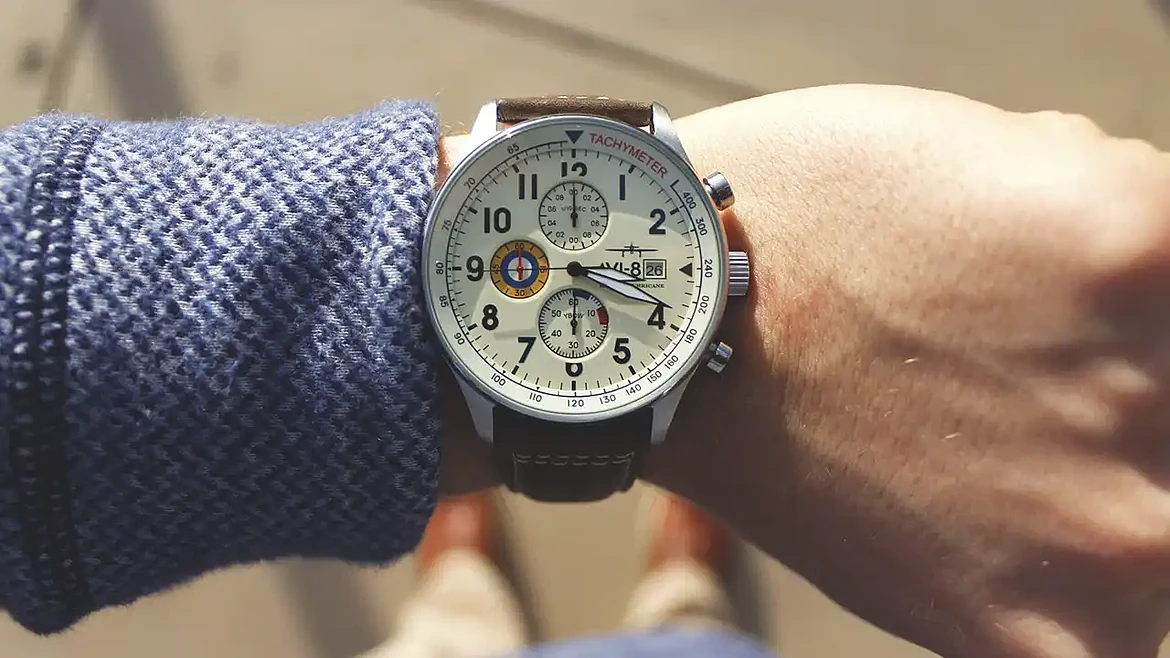
Today's watch enthusiasts are choosing timepieces based on personal style, craftsmanship, and resale flexibility rather than brand prestige alone. This shift is led by younger buyers who treat watches as a form of self-expression, favoring pre-owned pieces and distinctive designs over traditional status symbols.
According to a 2025 report from Chrono24 and Fratello, Gen Z has single-handedly reversed the decade-long steel sport watch trend by favoring dress styles, often in vintage timepieces, driven by a desire for adornment that allows them to express their individuality. A wrist that once signaled a paycheck now tells a story about taste, curiosity, and personal history.
That shift is rewriting the rules for an entire industry built on tradition, and understanding it explains where watch collecting is headed next.
What's Really Driving Today's Watch Enthusiasts?
Status used to be the main reason people bought a watch. That's shifted quite a bit.
Younger buyers now pick pieces that say something personal about who they are, and social media plays a big role in that shift. A watch feels more like a piece of clothing now, chosen for how it looks and what it says about the wearer, rather than a simple badge of wealth.
Craftsmanship still matters, of course. Buyers care about how a watch is made and where its design comes from, and that's part of why heritage brands still pull in serious interest. New generation watches often draw on older design cues while still feeling current, which seems to appeal to buyers who want something familiar yet distinct.
Timepiece appreciation has also changed shape. Investment thinking hasn't disappeared, but it typically takes a back seat to personal taste now.
Modern Watch Trends Reshaping the Hobby
Pre-owned buying has moved from a niche choice to a mainstream one. That's arguably the clearest shift happening in the hobby right now. Buying used no longer carries the stigma it once did, and many collectors now see it as the smarter path into the hobby rather than a compromise.
Vintage and neo-vintage pieces, especially from the 1980s and 1990s, are gaining real traction too. These older watches often have proportions and design touches that feel a little different from most modern releases, which seems to be part of the draw for collectors chasing something distinct.
Design preferences are shifting similarly. Dressier watches are pulling ahead of sport models, and buyers increasingly want pieces with texture and personality instead of pure toughness.
A few features stand out as part of this shift toward modern watch trends:
- Rectangular cases gaining renewed popularity among younger buyers
- Champagne and green dials showing strong demand growth
- Moon-phase complications appearing more often in new releases
- Slimmer, dressier silhouettes replacing bulky sport designs
Why Is the Market Behaving Differently Than It Used To?
The market has settled down quite a bit since the speculation-heavy years right after the pandemic. Flipping watches for quick profit was common then, and honestly, that frenzy has cooled off in a noticeable way. Buyers today tend to be more selective, and they often stick to specific brands rather than chasing whatever's hot.
This watch market transformation shows up in the industry's own numbers too. Swiss watch exports actually fell for a second straight year in 2025, dropping 1.7% to 25.6 billion francs, with nearly 740,000 fewer watches shipped than the year before.
Higher-priced watches held up a bit better than the rest of the market, though, which suggests buyers are still willing to spend on pieces they consider worth the price, even as overall demand cools.
How Brand Loyalty Is Evolving
Brand loyalty looks pretty different than it used to. Collectors, including a growing group of millennial watch collectors, often reward brands that pair heritage with a design language people can recognize instantly. Vacheron Constantin, IWC, and Cartier have all seen strong momentum recently, largely because their designs feel elegant and distinct rather than simply trendy.
Entry-level brands still play a real role, though mostly as a starting point. Seiko, Hamilton, and Tissot often introduce new enthusiasts to the hobby, and from there, many buyers trade up to names like Tudor or Omega as their taste and budget grow.
Research tools have become part of that process as well. For instance, an independent watch database for collectors can help buyers verify references, compare production years, and track a model's history before making a purchase. That kind of resource makes the trade-up process feel a lot less like guesswork.
Frequently Asked Questions
What Is a Reasonable Budget for a First Serious Watch Purchase?
Most new collectors start somewhere between $500 and $2,000 for a well-made mechanical watch. That range typically covers respected entry-level brands without stretching too far into luxury pricing.
How Can Buyers Verify Authenticity When Buying Pre-Owned?
Checking serial numbers against manufacturer records is a good first step. Working with a certified dealer or an authentication service also helps confirm a watch's originality before money changes hands.
What Should New Collectors Look for in a Pre-Owned Marketplace?
A trustworthy marketplace usually offers clear return policies and detailed condition reports. Buyer protection guarantees and transparent seller ratings matter quite a bit too.
Are Pre-Owned Watches a Good Long-Term Investment?
Some models do hold or increase in value over time, though outcomes vary a lot by brand and reference. Buying a piece for personal enjoyment first tends to be the safer approach overall.
How Often Should a Mechanical Watch Be Serviced?
Most mechanical watches need servicing roughly every three to five years. Costs usually range from $150 to $600, depending on the brand and movement complexity.
What Is the Difference Between Vintage and Neo-Vintage Watches?
Vintage watches generally date back 30 years or more, while neo-vintage pieces come from the 1980s and 1990s. That distinction matters to collectors since neo-vintage designs often blend older character with slightly more modern reliability.
A New Era for Timepiece Culture
Watch enthusiasts today are shaping a market built on personal expression, craftsmanship, and thoughtful resale value rather than status alone. Pre-owned buying, elegant modern designs, and loyalty toward heritage brands all point to a more design-conscious, well-informed collector base than the one before it. As this generation matures, their choices will keep influencing which brands thrive and how the industry defines lasting value.
Explore more on our site for a closer look at which styles and brands are winning this new era of collecting.
This article was prepared by an independent contributor which helps us continue delivering quality content to our audiences.