
Bison Range flourishes with uptick in calves, visitors
EMILY HEIMARK | Hagadone News Network | UPDATED 3 months, 1 week AGO
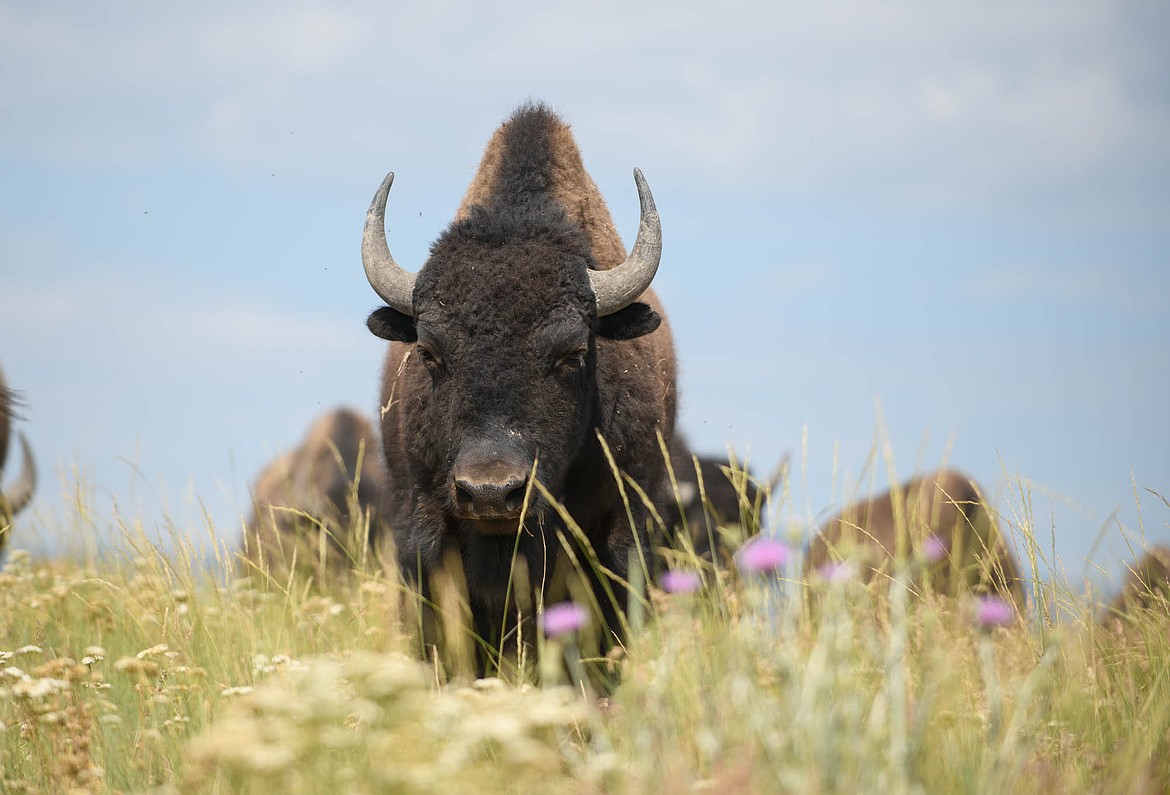
A bison grazes through the tall grass at the CSKT Bison Range on Thursday, June 25. (Emily Messer/Leader)
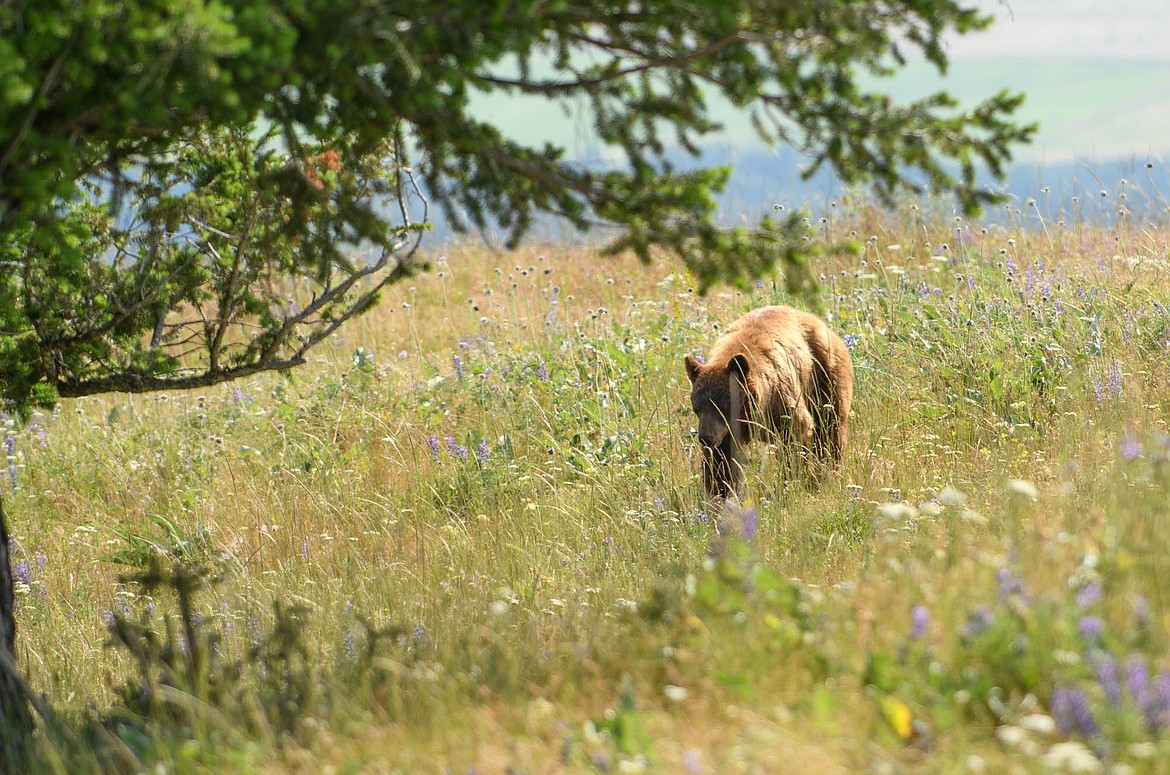
A momma bear heads down the hill to find her two mischievous cubs climbing a tree at the CSKT Bison Range. (Emily Messer/Leader)
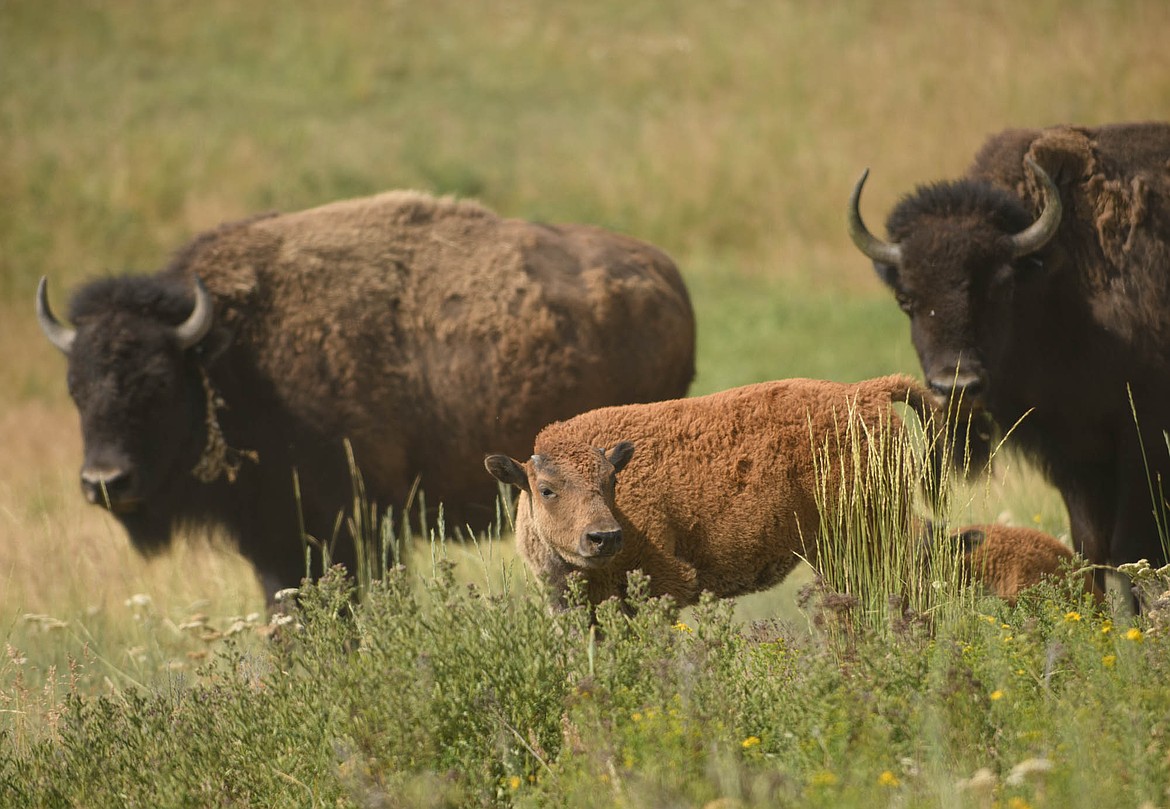
On the range this year is an increased number of bison calves, reaching about 80 total. (Emily Messer/Leader)
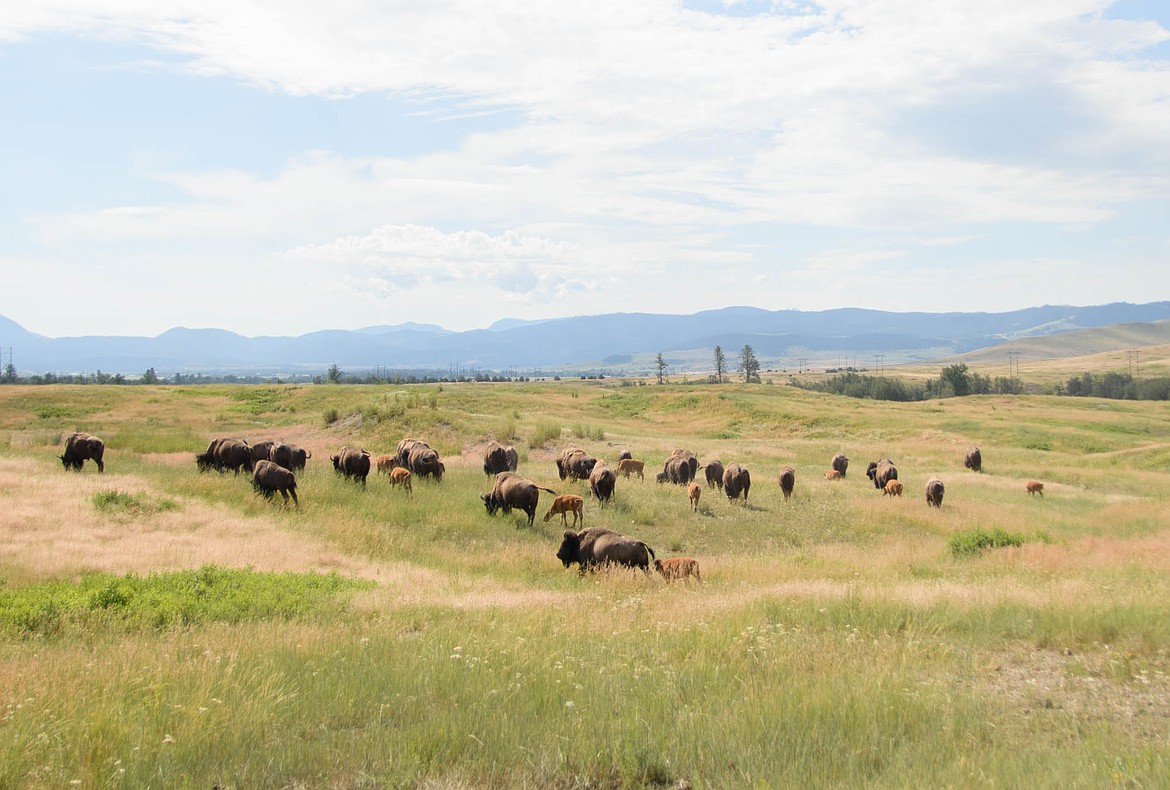
Bison and their slightly fresh baby calves graze across the rolling prairie of the CSKT Bison Range. (Emily Messer/Leader)
Emily Heimark (Messer) joined the Lake County Leader in July of 2025 after earning a B.A. degree in Journalism from the University of Montana. Emily grew up in the rolling hills of southeast Missouri. She's lived in Montana since 2022 and honed her reporting craft through the UM J-School newspaper and internships at the RMEF Bugle Magazine and the Missoulian. At the Leader, she covers government, business, education, agriculture and community news. Contact Emily Heimark at [email protected] or 406.883.4343 | July 22, 2026 12:00 AM
On the rolling hills of the open prairie, grazing bison and their little calves, otherwise known as “red dogs,” roam, wallow and migrate across the more than 18,000-acre range.
The Confederated Salish and Kootenai Tribes Bison Range is currently flourishing with Montana summer wildlife. From bears and elk to chipmunks and more, they all survive on the forage and creeks of this rich habitat.
The supervisory biologist of the range, Shannon Clairmont, said he loves the range because it highlights all the animals in one beautiful place in the heart of the Flathead Reservation.
“It’s kinda a throwback from days gone by, to what this area used to look like,” Clairmont said. “It’s as close as you’re going to get to it anymore.”
The range typically sells 20,000 passes a year, which tracks the number of vehicles that venture through the range. This year, they have already sold over 3,000, but this is only the “very beginning” of their season.
The herd currently has 350 adult bison and about 80 calves, which is slightly more than in previous years. Managing the grounds and herd is a team of eight to 10 maintenance employees and two biologists.
Clairmont said the biologists are diligent in monitoring the herd’s health daily, watching for potential problems. The herd is left to its natural habitat with no supplemented food or vaccinations. Clairmont added that they only intervene when necessary to address pink eye or gore wounds.
The herd is a direct descendant of the original bison that once roamed the area. Clairmont explained that the U.S. Government had ordered the tribes' once free-roaming herd to be rounded up, which took about five years, and sold it off. The government actually repurchased them after they were sold and brought them back to the newly established range.
The range was originally set aside as trust land for the Confederated Salish and Kootenai Tribes and then sequestered by the U.S. Government to create the National Bison Range in 1908. With the passage of the CSKT Compact in 2020, the tribes obtained the land and assumed management.
Clairmont said it is culturally significant that the tribes have the actual descendants of those first bison in today’s herd.
“It really means a lot, because the bison used to be everything to the tribes,” he said. “They followed herds around throughout the year; they got their tools, their clothing and shelter. It was very important to have that animal close by, and when they brought them up here to help save them, it was pretty significant.”
Clairmont, who has a handful of herd management tasks, explained that he often collaborates with the federal government to maintain the herd's metapopulations — a group of separate, distinct populations of a species. This population is a subset of the government's many bison refuges. This relationship allows them to exchange animals and boost genetics.
Another important part of managing the range is ensuring the population is equal to the amount of available grazing land, and the range holds an annual closed auction to help maintain those numbers.
They also manage the elk herd on the range because elk are direct competitors for the bison's food source. Other responsibilities include spraying and removing invasive weeds and ensuring visitors stay safe by following the rules and regulations.
The range is also currently conducting forestry work, including thinning and managing controlled burns, to make sure the area is more fire resilient.
The range is open year-round to visitors with the upper road only closed from October to April.
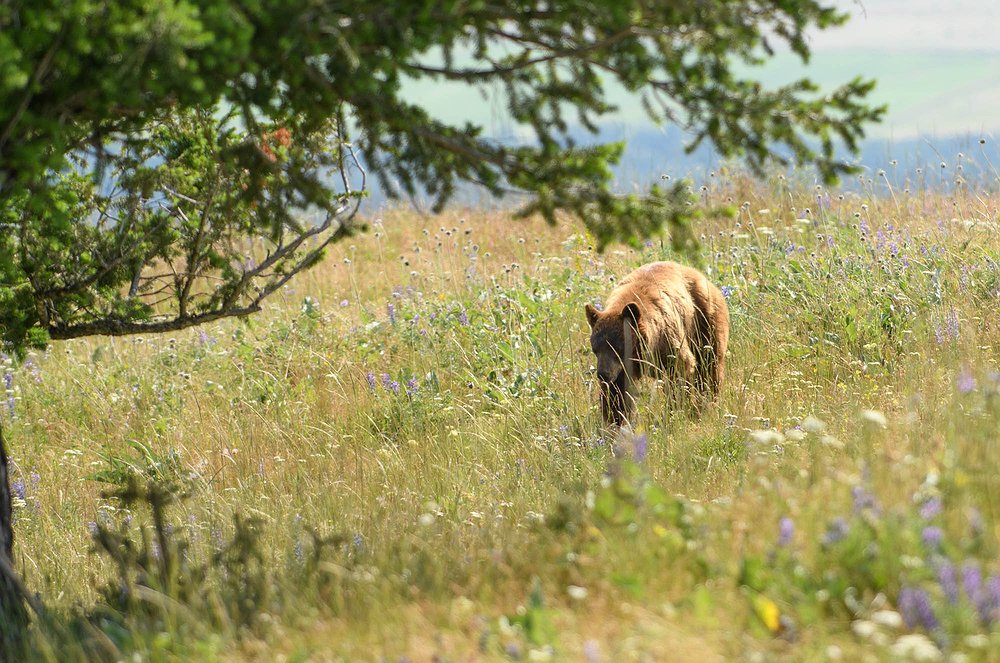 A momma bear heads down the hill to find her two mischievous cubs climbing a tree at the CSKT Bison Range. (Emily Messer/Leader)
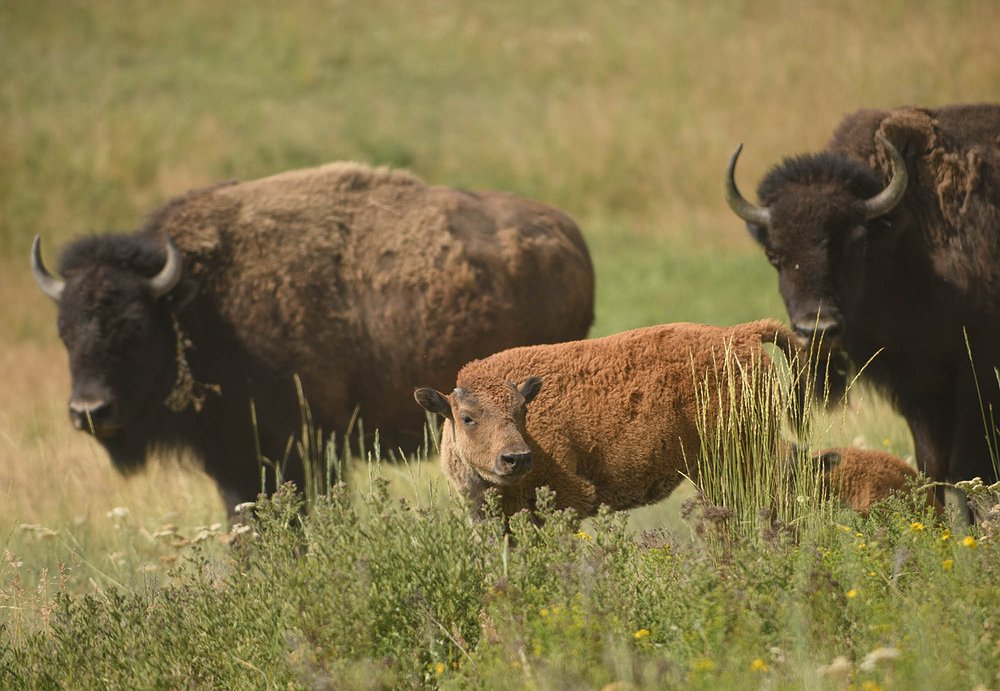 On the range this year is an increased number of bison calves, reaching about 80 total. (Emily Messer/Leader)
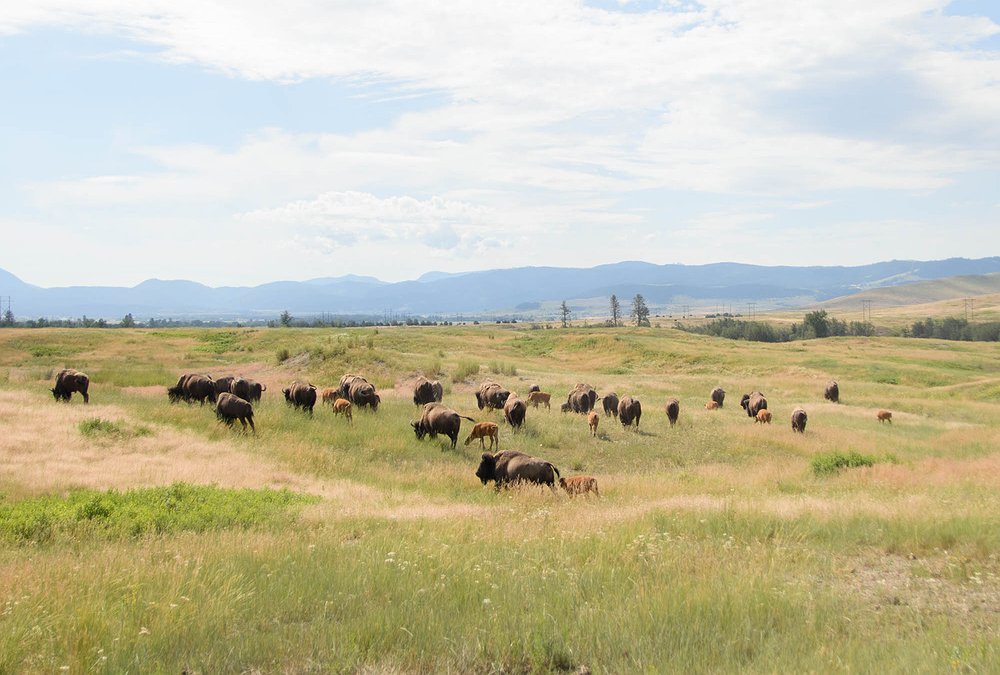 Bison and their slightly fresh baby calves graze across the rolling prairie of the CSKT Bison Range. (Emily Messer/Leader)
ARTICLES BY EMILY HEIMARK
Proposed changes to City of Polson government to appear on ballot
The Polson Local Government Review Study Commission completed its report earlier this year, and the proposed changes to the city charter and supplementary report of action to be taken will appear on the November ballot.
Native cowboy from Mission Valley travels to Kyrgyzstan for Nomad World Games
Reaching down from the back of his horse, he grabs the goat carcass, a total of 80 pounds of dead weight, as dust strikes him in the face; the adrenaline rush is never-ending, and the physical demands on his body are unreal.
Rollins Fire completes community-funded addition and remodel
After outgrowing its space, the Rollins Volunteer Fire Department sought support from the community and raised $2.2 million to fund necessary upgrades and a station addition.