
Grant County Commissioner candidates discuss growth, infrastructure
NANCE BESTON | Hagadone News Network | UPDATED 1 hour, 47 minutes AGO
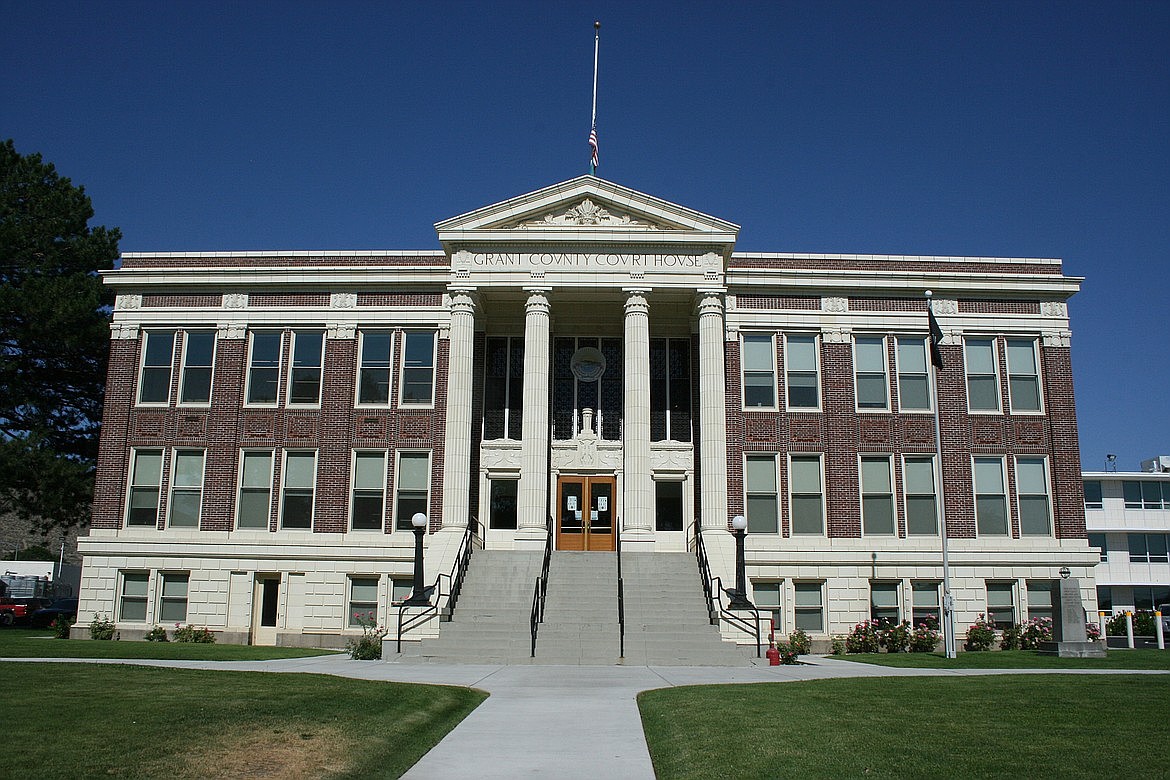
There are four candidates running for Grant County Commissioner Position 3 in the primary election, of those three candidates answered media requests including Shannon Durfee, Kelly Raap and Janice Flynn. Seth Weeks did not respond to requests for comment.
FILE PHOTO
EPHRATA — Four candidates have applied for the position of Grant County Commissioner Position 3 in the primary election: Shannon Durfee, Republican; Kelly Raap, Republican; Seth Weeks, Republican; and Janice Flynn, Republican.
To help voters compare the candidates' views and priorities, each was sent the same set of questions and given the same deadline to respond. Three of the four candidates responded by the deadline given with no response from Weeks.
This question focuses on what each candidate believes Grant County should prioritize regarding infrastructure projects and how they would balance those needs with those of existing residents and businesses.
Primary ballots must be postmarked or returned by Aug. 4.
Durfee: We need to continue working toward reliable long-term water supply, treatment, and delivery options for our communities. I have heard talk about a regional municipal water supply option. We should also take a closer look at how potable water is being used. High-quality drinking water should be protected for uses that truly require it, while non-potable or reclaimed water should be considered for irrigation, industrial use, landscaping, and other appropriate purposes. Using each water source wisely will help preserve capacity and reduce unnecessary pressure on limited supplies. These are all discussions that need to be taken seriously and a plan implemented soon!
Power is equally important. I have learned through several discussions with community leaders that port districts, utilities, and economic development organizations are already discussing options and evaluating new ideas. That work needs to continue, but eventually we must move from discussion to a clear regional plan with realistic priorities, timelines, and partnerships. Reliable power is critical for farmers, food processors, manufacturers, small businesses, and emerging industries.
We also need to make sure Grant County is positioned to benefit from the industries choosing to invest here. Growth brings increased tax revenue and new opportunities, and those benefits should help strengthen county services, infrastructure, and long-term financial stability for residents throughout Grant County.
Raap: Grant County is growing, but that growth must be planned responsibly while balancing the needs of our rural communities, agricultural economy, current businesses, and the need for new industries.
Mainly due to the Columbia Basin Irrigation Project, currently Agriculture is the largest income producer in Grant County with approximately 2.6 billion in annual revenue and about 60% of the county’s acreage being classified as farmland, so maintaining the current infrastructure and resources needs to be a top priority.
Over the next four years my priorities would include maintaining county roads and bridges, investing in reliable water infrastructure, supporting public safety, increasing housing availability and after talking with many residents in rural areas of our county, expanding broadband access in underserved areas.
I will advocate for responsible planning that protects productive farmland and encourages housing and business development in appropriate locations. Preserving the qualities that make Grant County a great place to live, work, and raise a family needs to be at the top of our list.
Flynn: Grant County should prioritize infrastructure investments that improve quality of life for current residents while preparing responsibly for future growth. Over the next four years, key priorities should include maintaining and upgrading roads and bridges, ensuring long-term landfill capacity and solid waste infrastructure, and supporting criminal justice infrastructure and services.
Balancing growth with the needs of existing residents means ensuring that new development pays its fair share of infrastructure costs, rather than local residents, while protecting the agricultural land and rural character that define Grant County. Growth should be guided by careful planning, with investments directed to areas already designated for development.
Agriculture and industry are essential to Grant County's economy and way of life. Infrastructure investments should support these sectors by maintaining dependable transportation networks, preserving access for agricultural operations and industrial businesses, and ensuring public resources are used efficiently and transparently. By planning ahead and investing strategically, Grant County can welcome responsible growth without sacrificing the values, industries, and livelihoods that make our communities strong.
ARTICLES BY NANCE BESTON

Sheriff candidates discuss staffing, retention
EPHRATA — As Grant County voters prepare to select their next sheriff, incumbent Joey Kriete and challengers Josh Sainsbury and Darrick Gregg are competing in the upcoming primary election. To help readers compare the candidates' priorities, qualifications and plans for the office, each was asked the same question and given an equal opportunity to respond. This installment focuses on one of the most pressing challenges facing law enforcement agencies: recruiting, retaining and supporting qualified staff within the Grant County Sheriff's Office.
Grant County Commissioner candidates discuss growth, infrastructure
EPHRATA — Four candidates have applied for the position of Grant County Commissioner Position 3 in the primary election: Shannon Durfee, Republican; Kelly Raap, Republican; Seth Weeks, Republican; and Janice Flynn, Republican. To help voters compare the candidates' views and priorities, each was sent the same set of questions and given the same deadline to respond. Three of the four candidates responded by the deadline given with no response from Weeks.

Grant County Sheriff's Office candidates address public safety, crime reduction
EPHRATA — As Grant County voters prepare to choose their next sheriff, incumbent Joey Kriete faces challengers Josh Sainsbury and Darrick Gregg in the primary election. To give readers a side-by-side look at each candidate's priorities and plans, all three were asked the same questions and given an equal opportunity to respond.