
Heavy equipment logistics are directly impacting project timelines
Cristal Dyer | Hungry Horse News | UPDATED 2 months, 2 weeks AGO
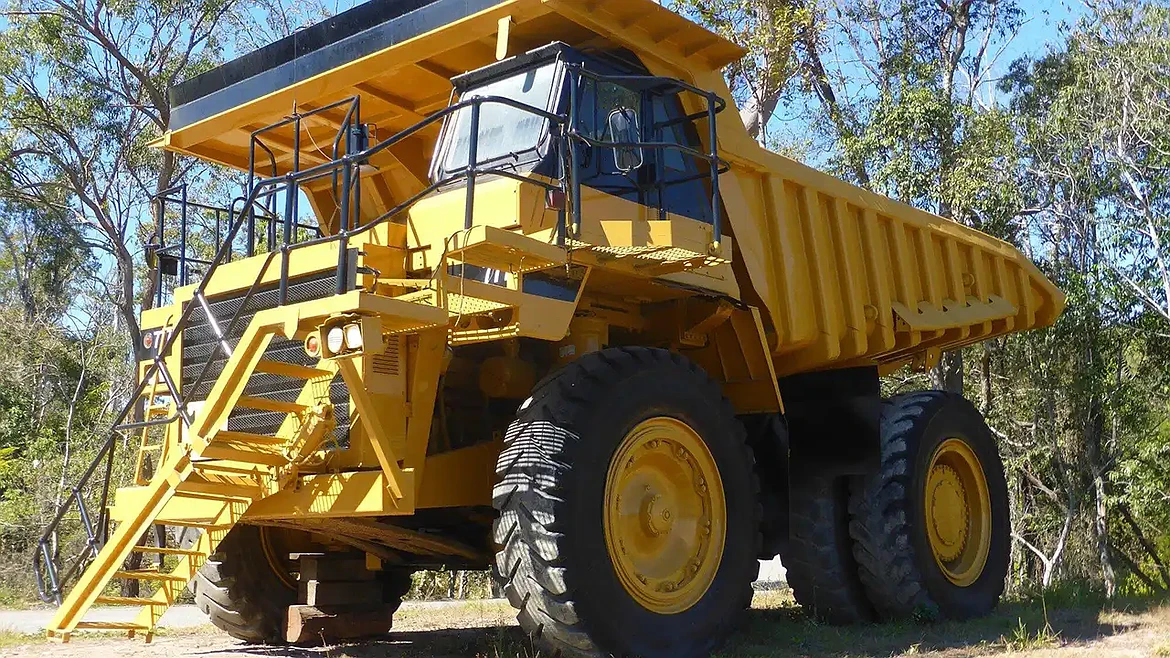
Heavy equipment logistics directly affects project timelines because most construction and installation work cannot begin until the right equipment arrives, is verified, and is ready for use. Get logistics wrong, and every downstream task, from labor scheduling to inspections, slides with it.
78% of construction firms report at least one delayed project in the past 12 months, according to a 2025 survey from the Associated General Contractors of America. That number reveals just how common schedule slippage has become across the industry.
A crane stuck in transit does not just cost a delivery date. It costs crew hours, vendor goodwill, and momentum that is hard to rebuild once a project falls behind.
Why Does Equipment Logistics Directly Impact Project Timelines?
Most job site tasks actually depend on one thing arriving before the next step can begin, and that link is often where delays start. A crane, a generator, or a specialized rig, like a hydraulic drop deck trailer, needs to arrive on time and ready to use, or crews sit idle. That idle time still costs money, and inspections still need scheduling, so a small delay can grow fast.
Sequencing matters just as much as speed, in fact. Equipment that shows up too early can clog a site. Equipment that arrives too late, meanwhile, forces crews to wait or shift to less efficient work.
Strong construction equipment coordination between vendors, drivers, and site managers usually closes that gap before it turns into a bigger problem.
What Does an Effective Logistics Operating Model Look Like?
A solid operating model usually has five parts:
- Spotting critical equipment early
- Forecasting lead times
- Confirming suppliers
- Tracking arrivals
- Planning the install
Treat each item on that list as a schedule item that carries its own deadline and risk, and that mindset keeps the whole plan grounded in reality.
Good heavy equipment management needs one clear owner for logistics visibility, someone who checks delivery status and flags problems before they spread. That person typically connects shipping, receiving, storage, and installation so nothing falls through the cracks.
A few tasks fall outside daily tracking but still shape the plan:
- Storage space reserved for equipment that arrives ahead of schedule
- Access routes confirmed for oversized loads before delivery day
- Lift and install requirements documented before equipment reaches the site
How Can You Optimize Your Equipment Logistics Process?
Efficient logistics strategies typically start well before equipment ever leaves the supplier, not once trucks are already on the road. Building a long-lead equipment list during design and procurement gives teams enough time to lock in suppliers, delivery windows, and installation needs.
Coordination across procurement, field teams, and vendors matters quite a bit, since shared visibility makes it easier to catch problems early and switch to a backup plan.
Turning Equipment Logistics Into a Timeline Advantage
Equipment logistics determines whether a project stays on schedule or absorbs costly delays. When teams plan early, coordinate across vendors and field crews, and build in contingencies for critical shipments, they protect the milestones that matter most and avoid the idle labor and rework that come from poor sequencing.
Visit our website for more tools to build a logistics strategy that keeps your next project moving on schedule.
This article was prepared by an independent contributor which helps us continue delivering quality content to our audiences.