
Sacred waters: Alameda's Hot Springs Retreat bathes in history of healing
HANNAH SHIELDS | Hagadone News Network | UPDATED 3 months AGO
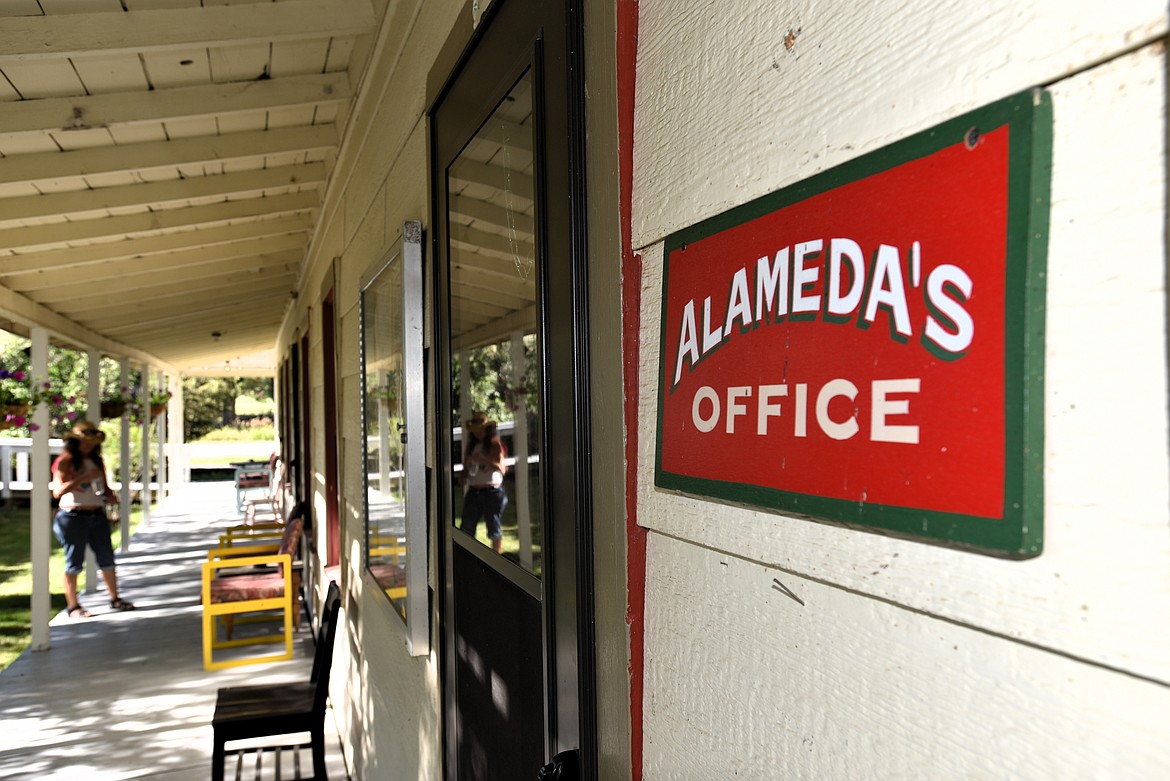
Outside the office of Alameda's Hot Springs Retreat on July 9, 2026. (Hannah Shields/Daily Inter Lake)
Casey Kreider
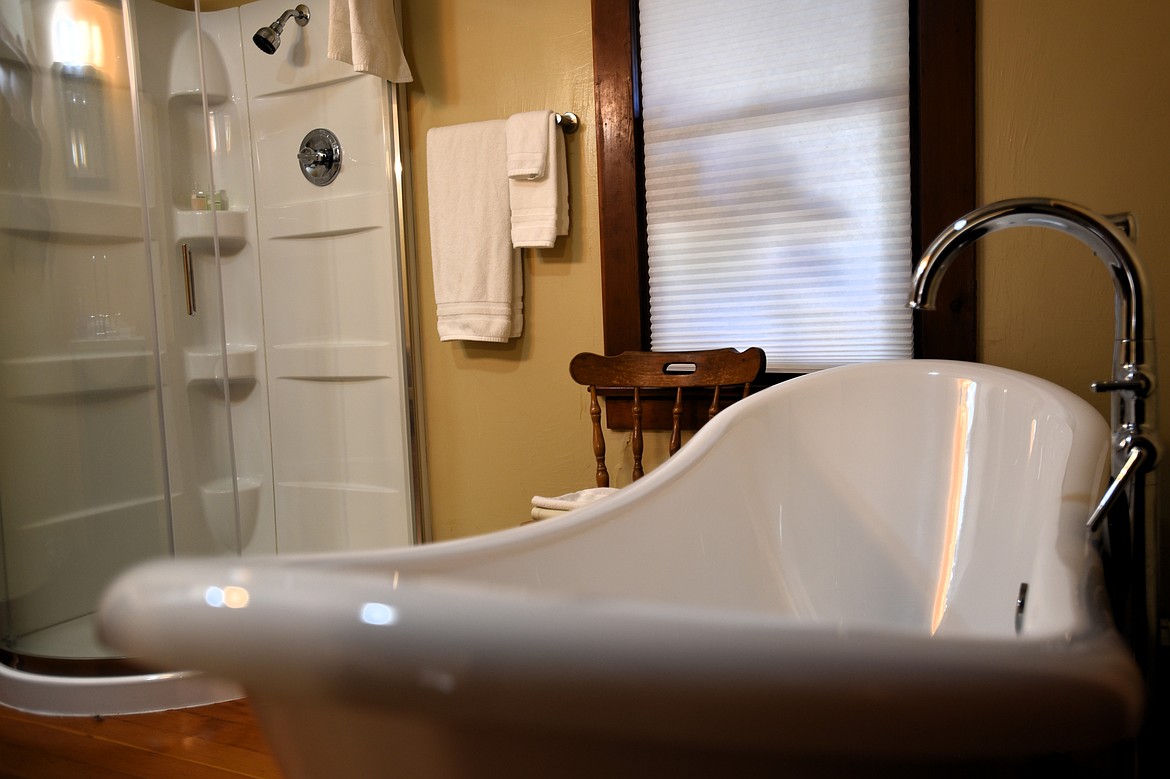
A bath tub in one of the units at Alameda's Hot Springs Retreat on July 9, 2026. (Hannah Shields/Daily Inter Lake)
Casey Kreider
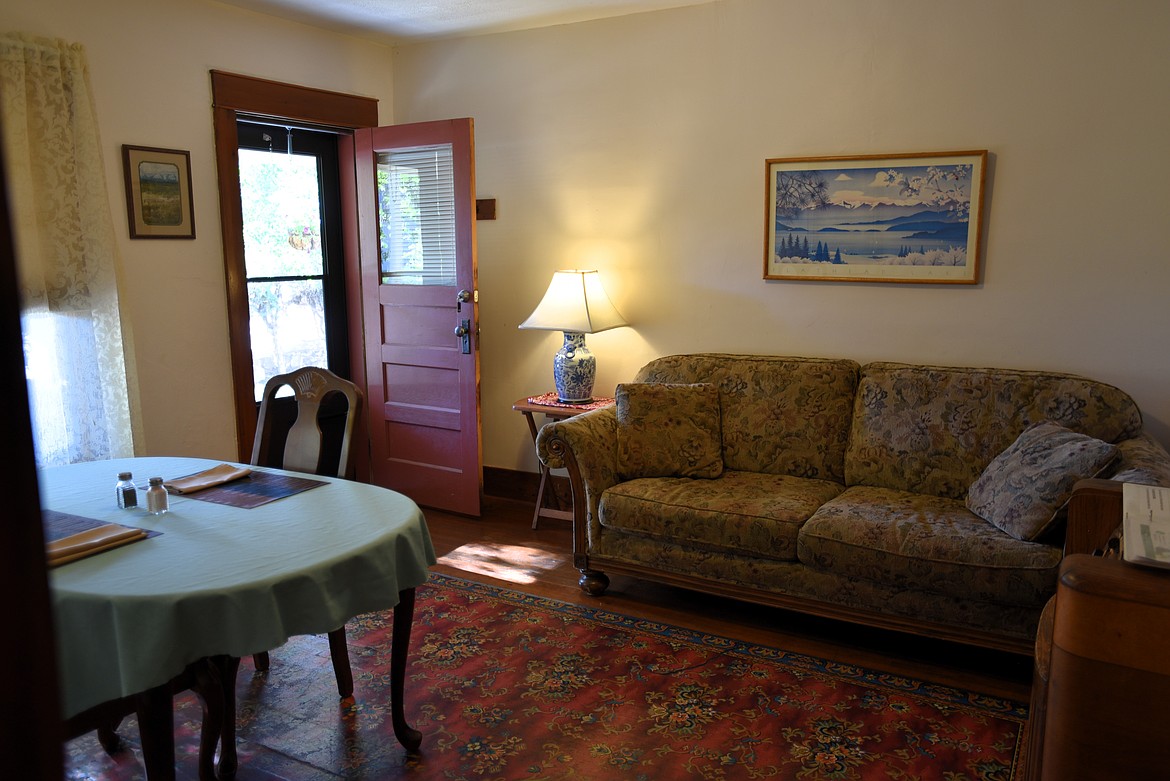
A unit at Alameda's Hot Springs Retreat on July 9, 2026. (Hannah Shields/Daily Inter Lake)
Casey Kreider
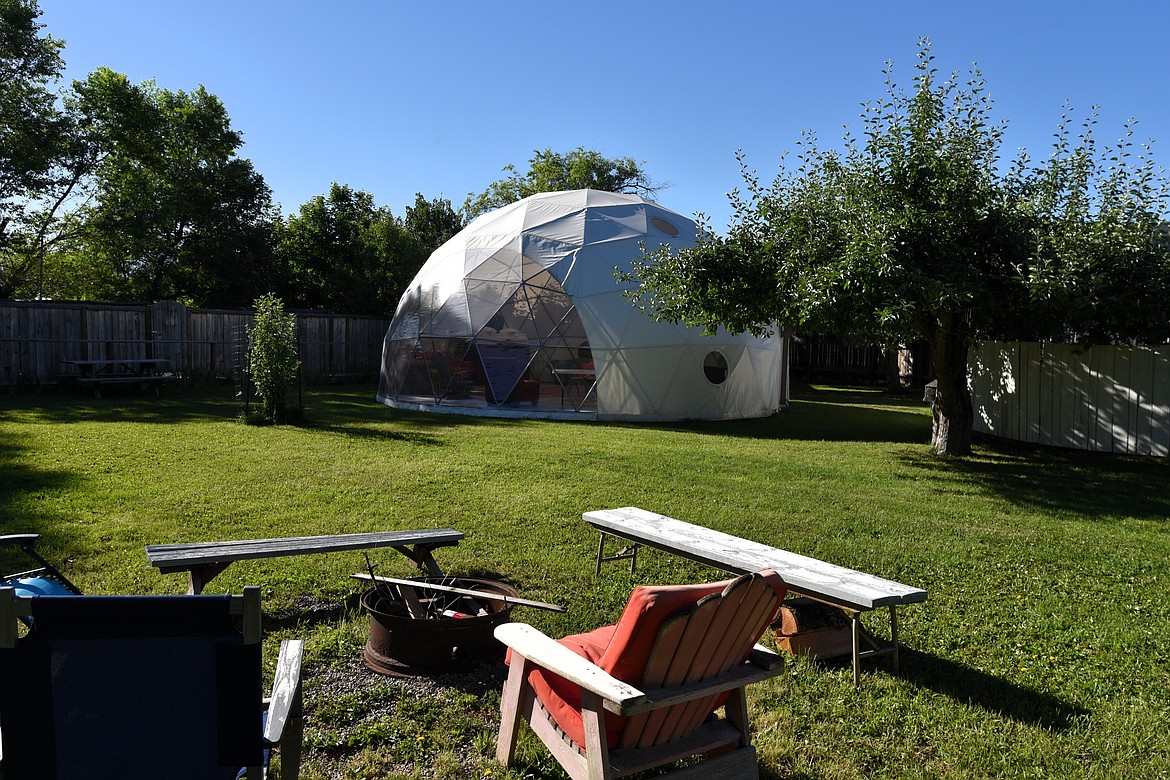
A dome sits in the grassy courtyard of Alameda's Hot Springs Retreat on July 9, 2026. (Hannah Shields/Daily Inter Lake)
Casey Kreider
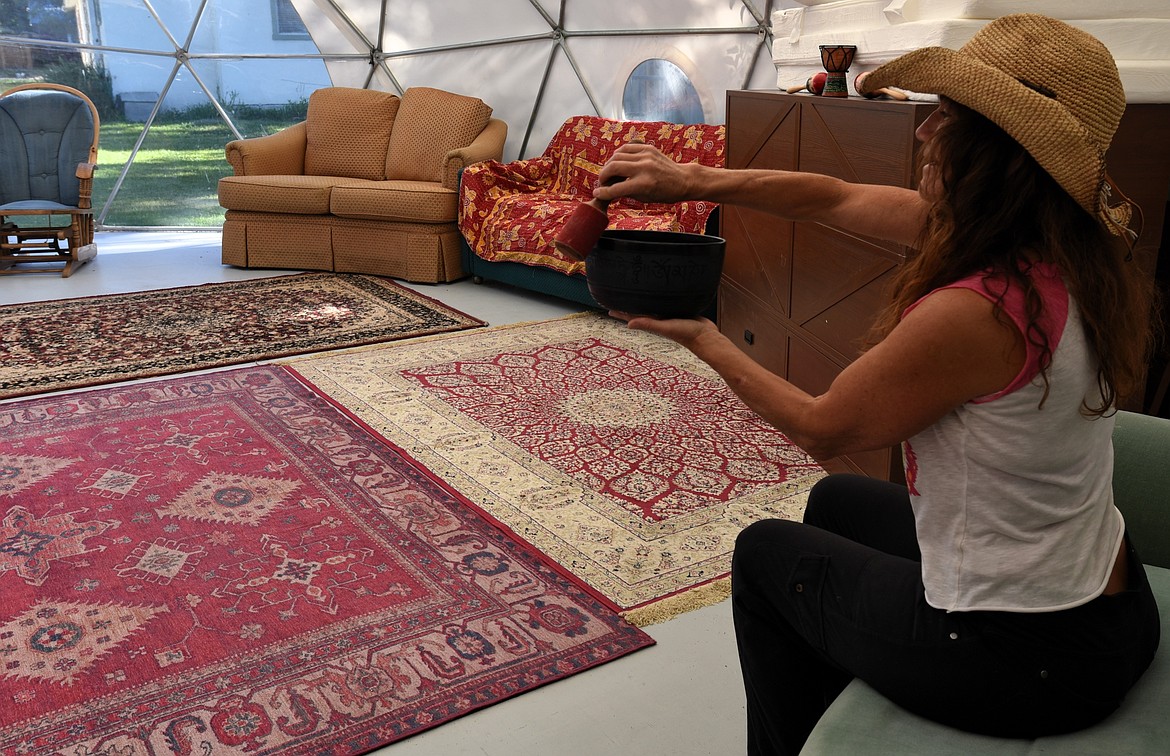
Rachel Bass, 65, plays her sound bowl in a dome at Alameda's Hot Springs Retreat on July 9, 2026. (Hannah Shields/Daily Inter Lake)
Casey Kreider

Outside the office of Alameda's Hot Springs Retreat on July 9, 2026. (Hannah Shields/Daily Inter Lake)
Casey Kreider
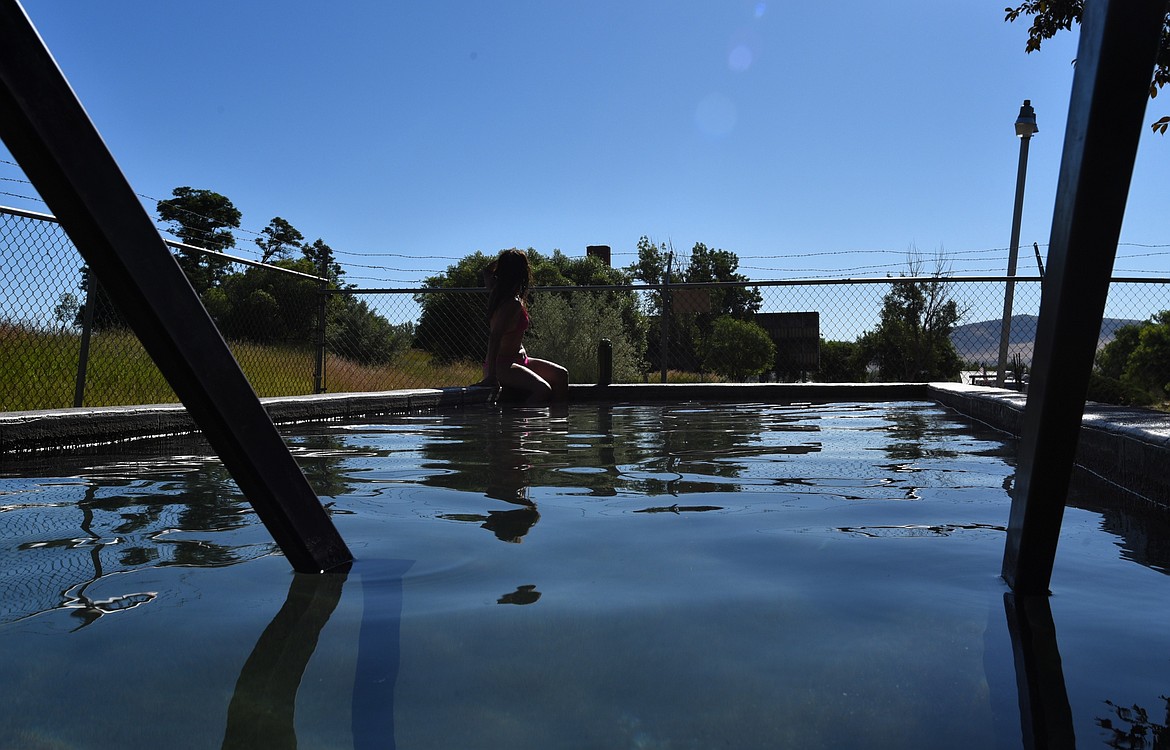
Rachel Bass, 65, enjoys a soak at Rose's Plunge on July 9, 2026. (Hannah Shields/Daily Inter Lake)
Casey Kreider
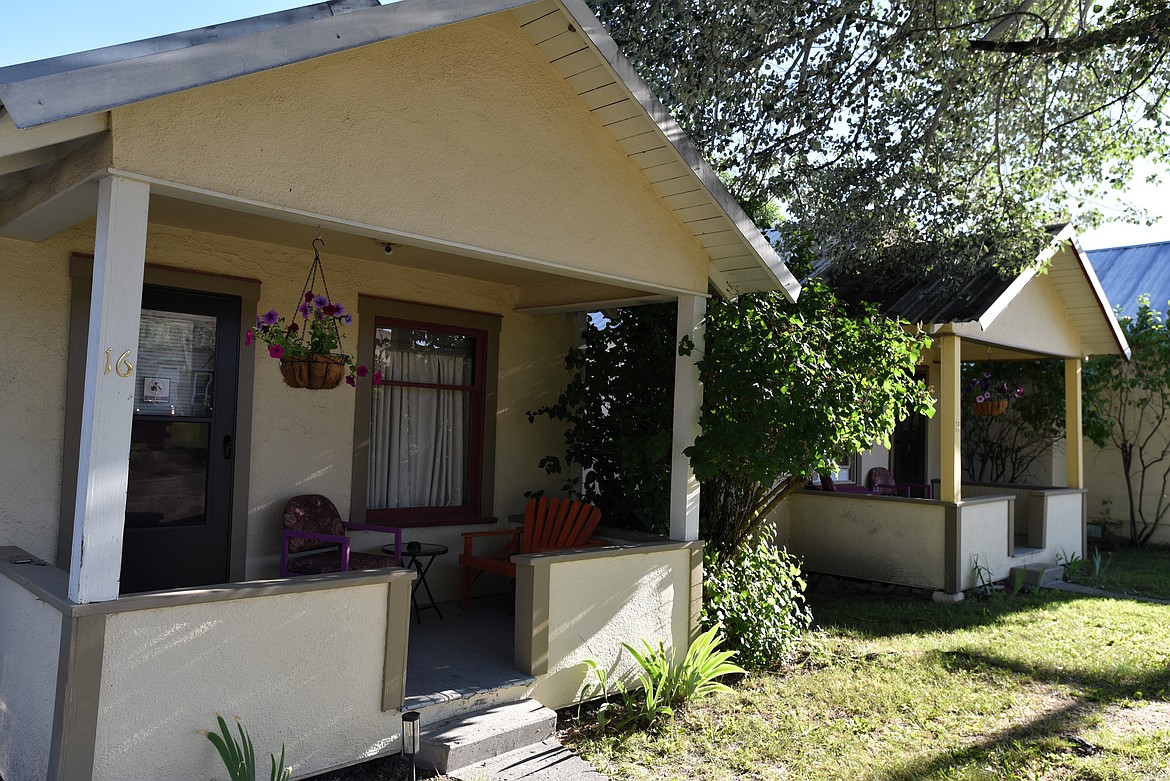
Two units with private porches at Alameda's Hot Springs Retreat on July 9, 2026. (Hannah Shields/Daily Inter Lake)
Casey Kreider
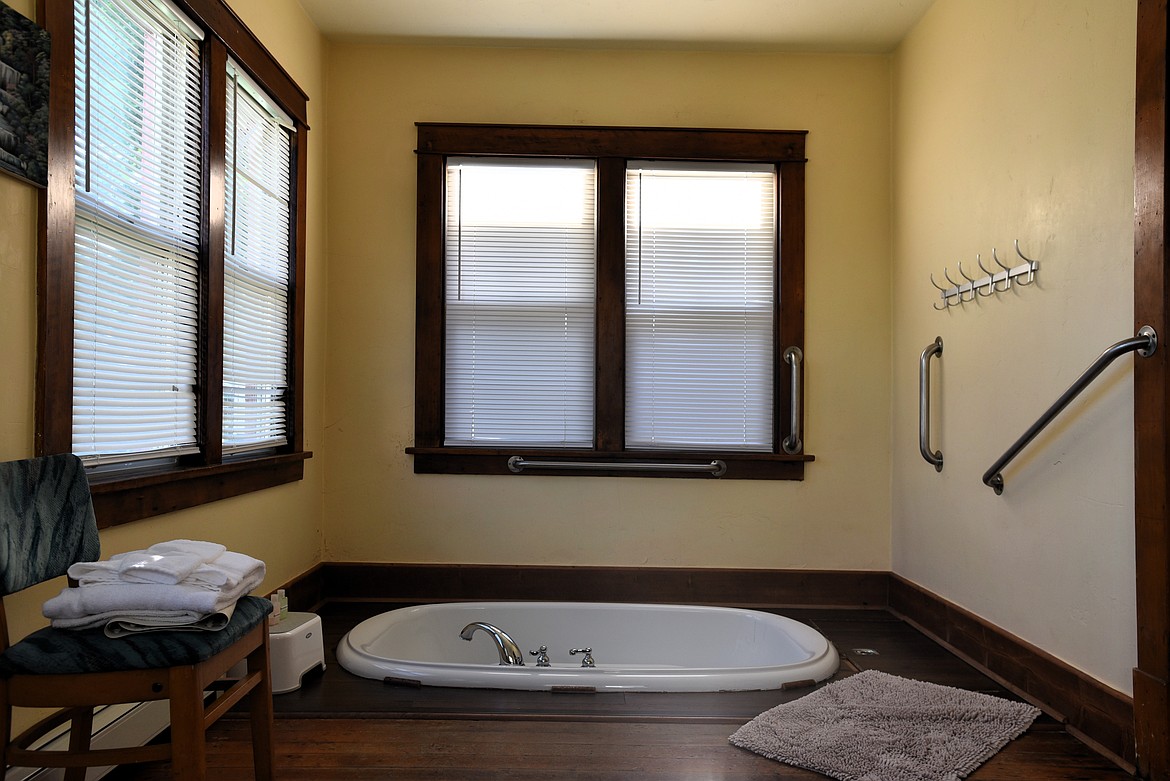
A tub inside one of the units at Alameda's Hot Springs Retreat on July 9, 2026. (Hannah Shields/Daily Inter Lake)
Casey Kreider
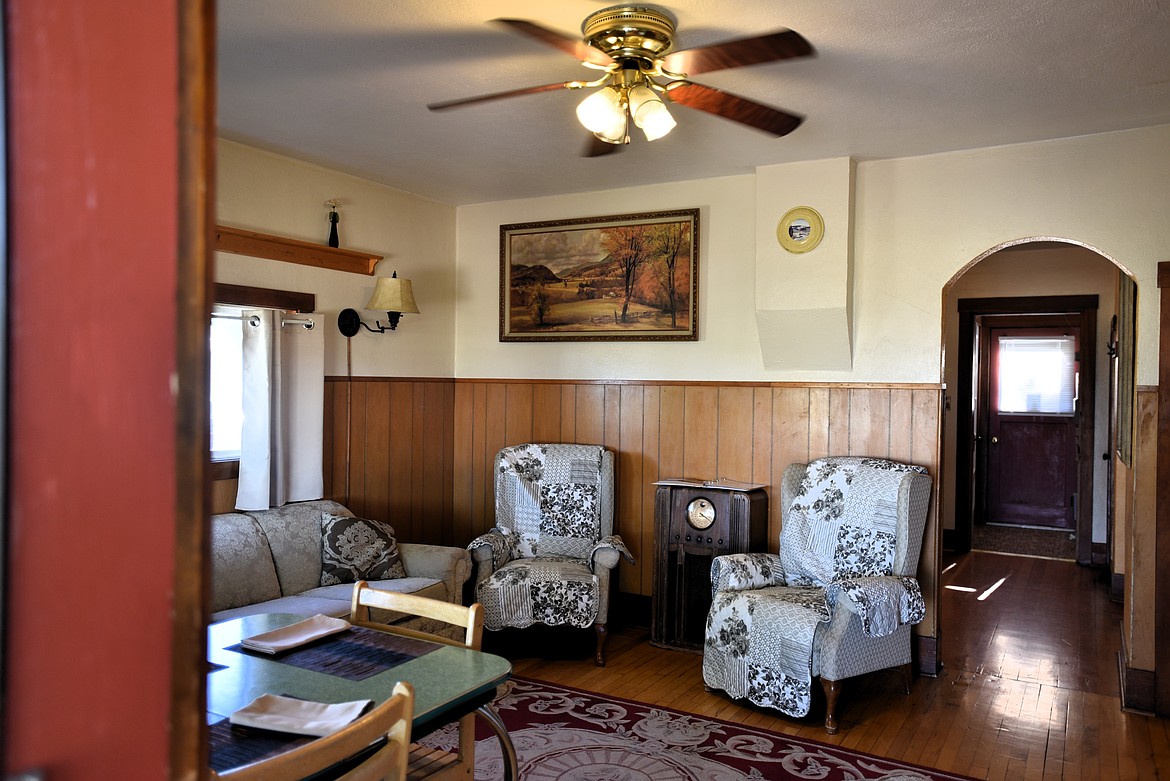
A unit at Alameda's Hot Springs Retreat on July 9, 2026. (Hannah Shields/Daily Inter Lake)
Casey Kreider
A unit at Alameda's Hot Springs Retreat on July 9, 2026. (Hannah Shields/Daily Inter Lake)
Casey Kreider
RURAL GOVERNMENT REPORTER, REPORT FOR AMERICA Hannah Shields covers rural government and accountability reporting for the Daily Inter Lake and Northwest Montana weekly papers as part of the national Report for America program. Her reporting focuses on transparency, public spending and the impact of local government decisions on small communities. Shields has covered issues ranging from school district finances to development disputes and rural infrastructure projects. She regularly uses public records and investigative reporting to examine institutions that affect local residents. Her work helps bring greater oversight and visibility to rural government across Northwest Montana. IMPACT: Hannah’s work strengthens transparency and accountability in rural communities that often lack consistent watchdog coverage. | July 22, 2026 12:00 AM
Tiny bubbles clung to my skin as I soaked in the geothermal mineral plunge.
An older gentleman to my left rested his forearms on the concrete edge of the outdoor tub. A couple women waded behind him, conversing in soft tones. It was the perfect July morning to don a swimsuit and steep in hot sulfuric water.
My gaze settled on the grassy fields of the Flathead Indian Reservation beyond the fence. The rural town of Hot Springs sits on tribal land, and Rose’s Mineral Plunge is one of two soaking spots operated by a member of the Confederated Salish and Kootenai Tribe.
A few streets over stands a three-story abandoned building. It once housed the tribal Camas Hot Springs Bath House, until the business shuttered operations in 1985.
It is long believed by Native Americans that the hot spring water carries sacred healing powers. Jesuit missionary Father de Smet was traveling through Little Bitterroot River Valley in 1842 when he came across the natural hot springs.
In his journal, he recounted a conversation he had with the Flathead, Kalispell, Pend d’Oreille and Kootenai tribes, who touted the spring’s healing property. Natives told him that “after the fatigues of a long journey, they find that bathing in this water greatly refreshes them.”
More than a century later, white settlers homesteaded on the Flathead Indian Reservation in 1910. Word of the hot spring’s medicinal powers quickly spread. Folks ailed with rheumatism, indigestion, kidney problems and skin disease flocked to the hot springs in Sanders County to soak in its healing water.
“When you're soaking in the water, you’re soaking in the frequency of the minerals,” said Chris Devlin, a shareholder of the Alameda’s Hot Springs Retreat and a balneology enthusiast.
Balneology is the study of the therapeutic and medicinal benefits of bathing. Devlin, a semi-retired family nurse practitioner from Anchorage, Alaska, is the board chair of the Balneology Association of North America. His interest in healing baths stemmed from a near-death experience he had in 1974, at 20 years old. When he soaked in a hot spring in Canada shortly thereafter, Devlin felt a physical healing unlike any other.
“I was blown away,” he said.
In the early 20th century, doctors set up clinics around Hot Springs and prescribed soaking baths to their patients. An article published in the Sanders County Signal in 1913 advertised the hot springs as “nature’s remedy for illness,” touting the water’s miraculous healing benefits for rheumatism.
ALAMEDA’S HOT Springs Retreat is one of several hotels that popped up in the 1930s.
While the rest of Montana strained under the Great Depression, Hot Springs experienced an economic boom. Hospitable facilities hosted short-term and long-term visitors, and tourism became the economic base for the town of about 500 people.
Alameda’s Hot Springs Retreat has passed through the hands of various owners over the last 90 years. The Ehlert family owned the L-shaped building in the 1930s and leased cottages and vacation rentals for nearly 50 years. A well drilled on the property pumped 96-degree mineral water into the private baths of each unit.
Ownership transferred in the 1980s to Alameda Ramsey, a nurse from California, who ran the business as a spa-hotel. She drilled a second well on the property and singlehandedly kept the hotel, then called Camas Hot Springs Resort and Spa, afloat as tourism and the popularity of Hot Springs’ geothermal mineral water declined.
When Ramsey was ready to retire, she sold the hotel to a group of business partners in 2005. The name was changed to Alameda’s Hot Springs Retreat.
Devlin came across the place when it was put up for sale in 2010. He didn’t have enough money to buy the entire property, so he pitched the idea of turning it into a housing co-op. Folks 55 years old or older can buy a share — one unit — and choose to either live in it or rent it out. The co-op was approved by the Montana Secretary of State in 2013, and the first two shares were sold in 2015.
Rachel Bass, a masseuse from Colorado, bought her share just months after her first visit to the retreat in 2023.
“I knew immediately I wanted to,” she said. “It took a bit of finagling to set it up financially.”
At 65 years old, Bass has separated her shoulder twice, been in six car accidents, was bucked off a horse more times than she can count and struggles daily with arthritis. After two days of soaking, however, her pain was gone.
“That is priceless to me,” she said. “I feel no pain.”
Bass visits her units a few times a year, staying for days or weeks at a time. This summer was her first time providing massages for guests and Hot Springs community members.
None of the shareholders are in it for the money, she added. Those who hope to buy a share and turn it into a profit will come away disappointed. For the co-op, it’s a matter of preserving the sanctity of a historical retreat.
“The peace. The quiet. The meditative space. The healing water,” Bass said. “That’s why people come here."
EACH OF the 18 units is designed by the shareholder who owns it. Antique lamps, lace curtains and floral-patterned furniture are common themes in the temporary living spaces.
Shareholders aim to stay true to the original 1930s composition. Some of the original flooring and artwork is preserved in a few units. On a tour of the place, a large, walnut radio from the 1930s or 1940s in one of the living rooms stood out.
Hot sulfuric water is piped directly from the springs, and cold water runs from the town’s water supply. Guests can soak in the hot mineral water from the privacy of their own room. Fans installed in the bathrooms help relieve the pungent sulfuric odor, which takes a minute to get used to it. The smell fades from the body after about 30 minutes. Those who wish to bathe under the sun can walk a few minutes to Rose’s Plunge or Big Medicine Hot Springs and soak all day for $5.
In the grassy courtyard of the retreat is a large dome, covered in tarp. Colorful plastic chairs sit on Oriental rugs inside, and couches and chairs line the plastic walls. Yoga classes and meditation sessions are often held there.
Bass perched on the edge of an emerald green sofa with her sound bowl. She tapped the edge with her mallet and traced it along the perimeter. An alien hum filled the room and vibrated in my chest.
The acoustics here are extraordinary, she said, perfect for a sound bath.
Life in a small town with limited amenities and an hour from the nearest city isn’t for everybody.
But it offers quiet serenity that can’t be found anywhere else. A night in Alameda’s Hot Springs Retreat ranges from $89 to $144. All rooms are furnished, equipped with Wi-Fi, a kitchenette, dishes and air conditioning.
“I don’t think there’s anything like it in the U.S.,” Devlin said.
Report for America Reporter Hannah Shields can be reached at 406-758-4439 or [email protected]. If you value local journalism, pledge your support at dailyinterlake.com/support.
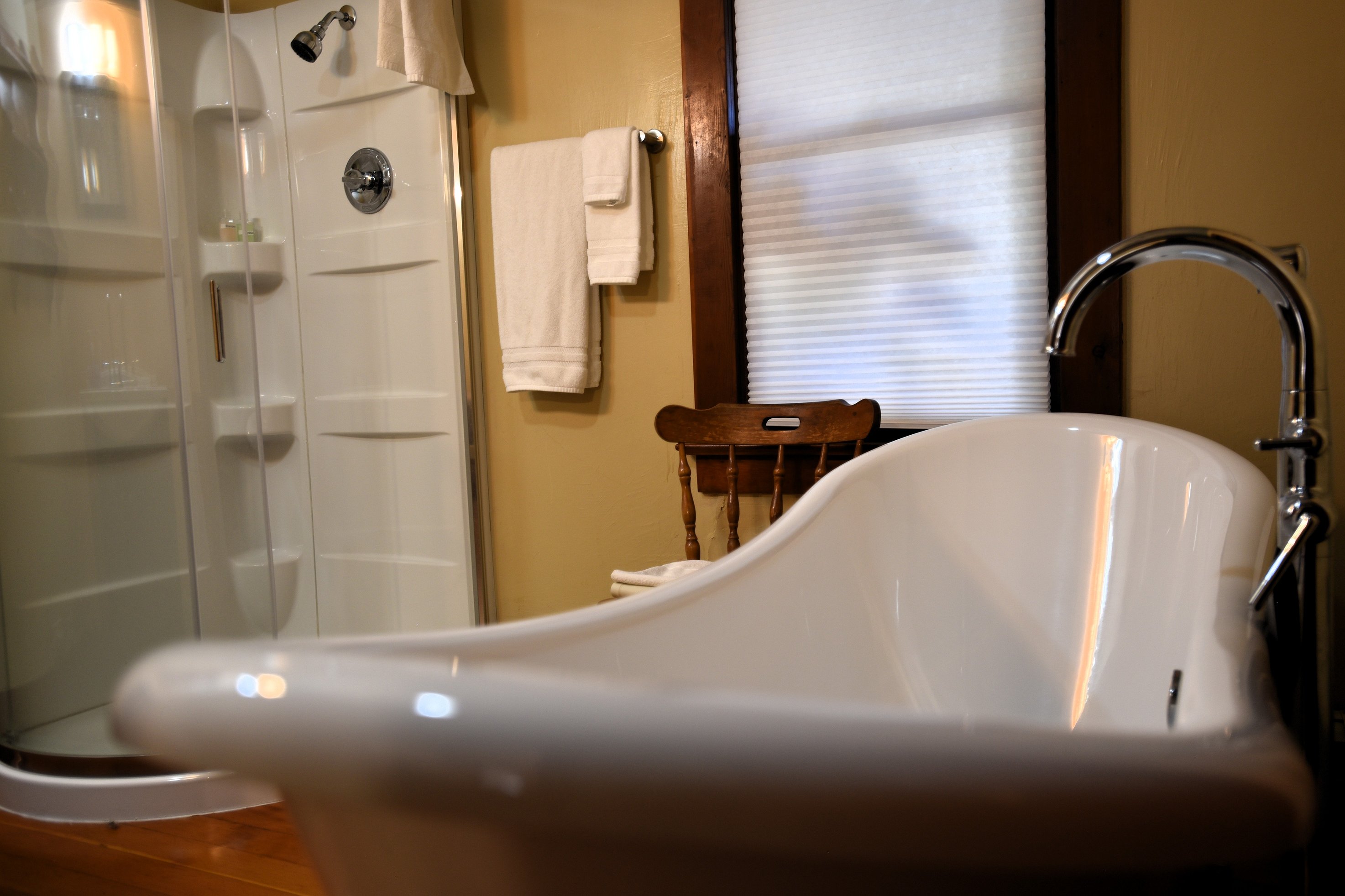 A bathtub in one of the units at Alameda's Hot Springs Retreat on July 9, 2026. (Hannah Shields/Daily Inter Lake)
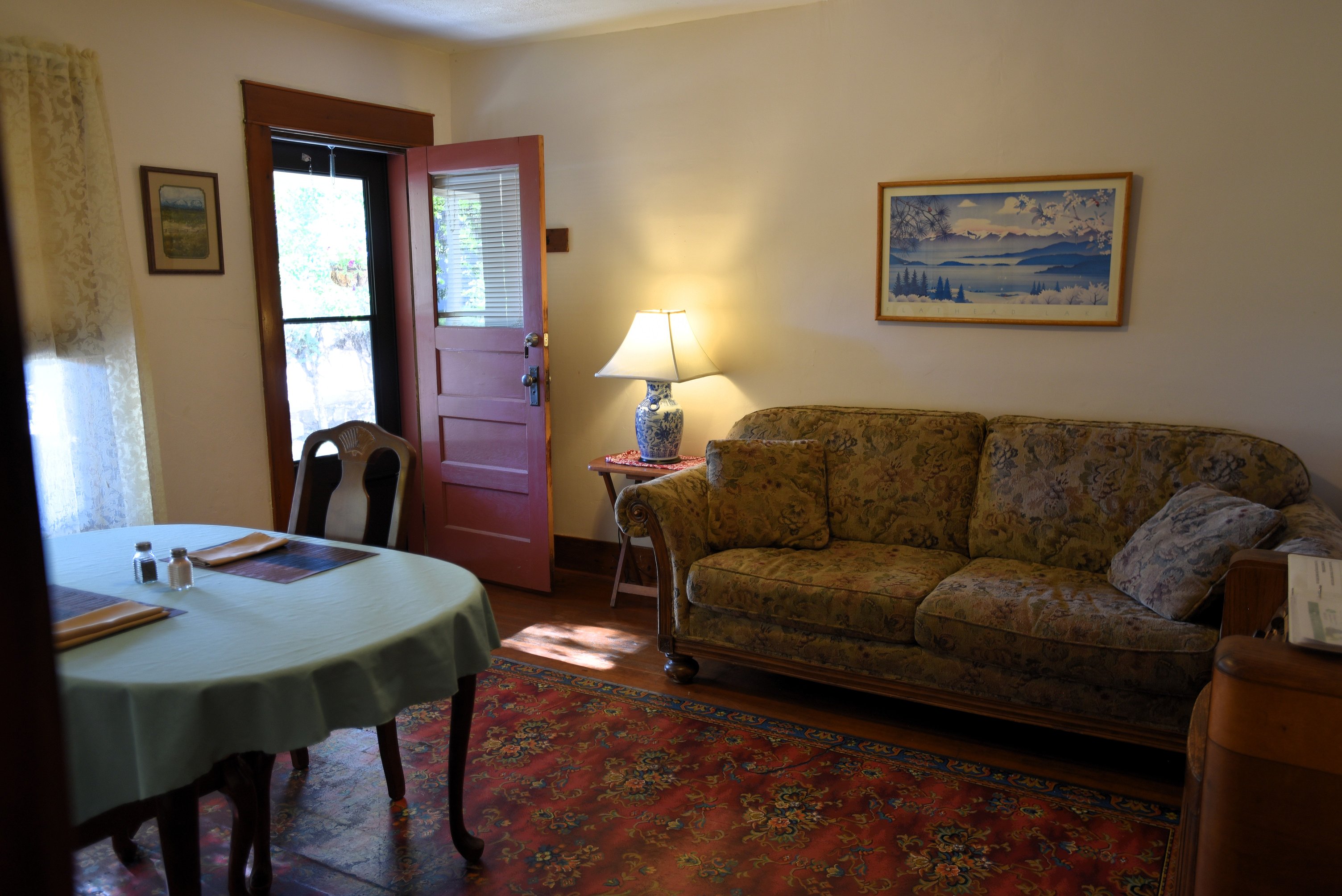 A unit at Alameda's Hot Springs Retreat on July 9, 2026. (Hannah Shields/Daily Inter Lake)
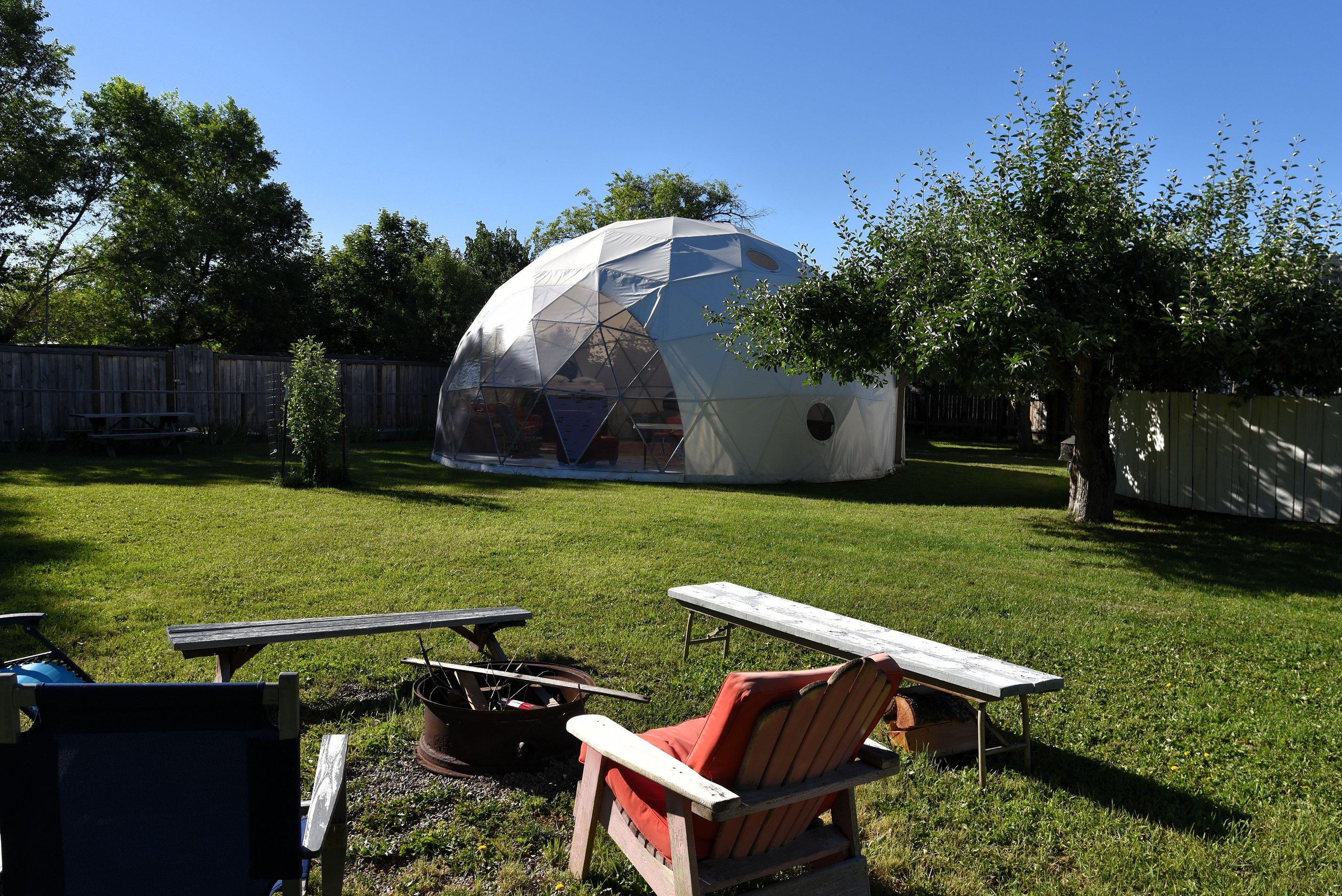 A dome sits in the grassy courtyard of Alameda's Hot Springs Retreat on July 9, 2026. (Hannah Shields/Daily Inter Lake)
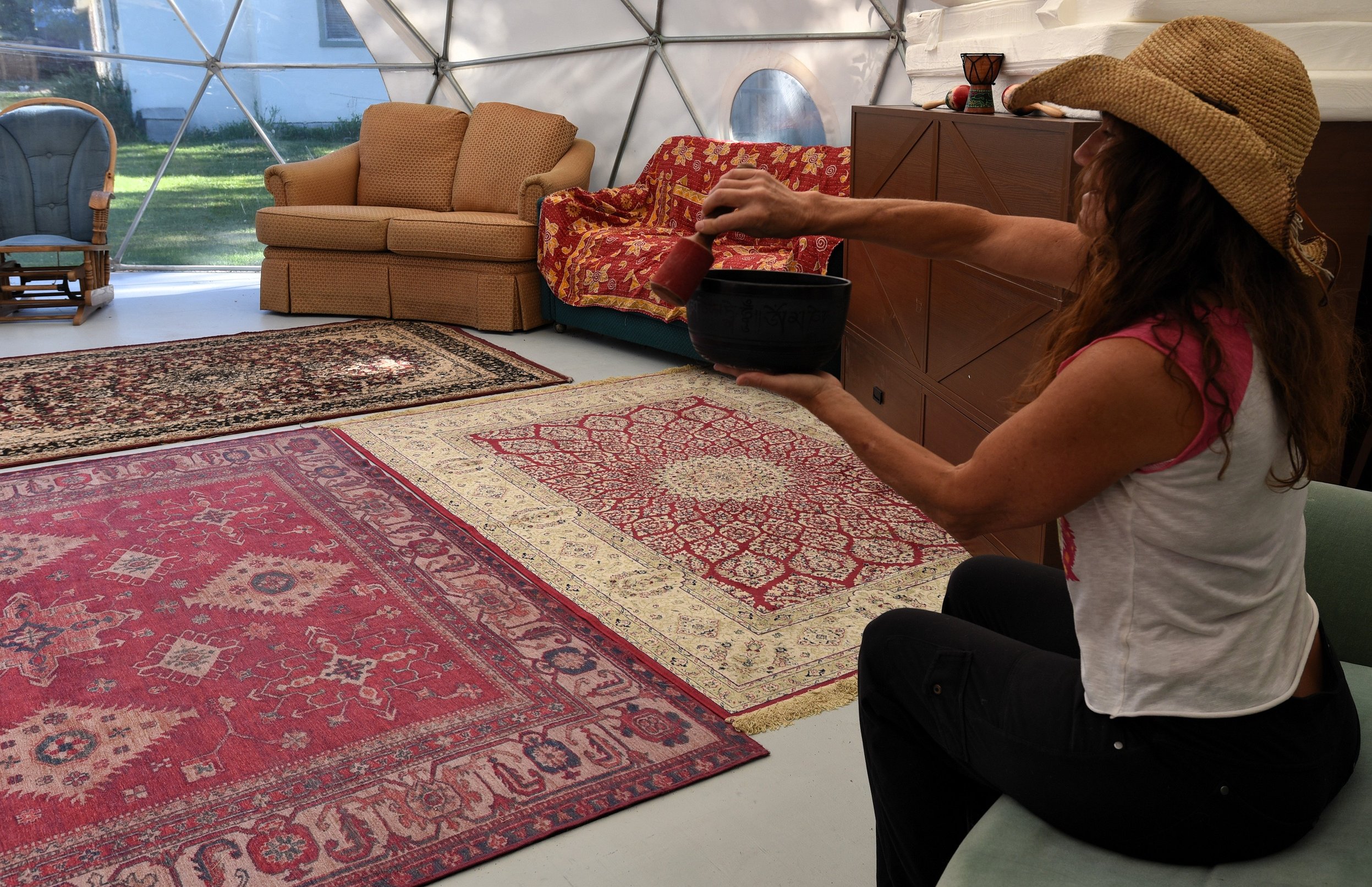 Rachel Bass, 65, plays her sound bowl in a dome at Alameda's Hot Springs Retreat on July 9, 2026. (Hannah Shields/Daily Inter Lake)
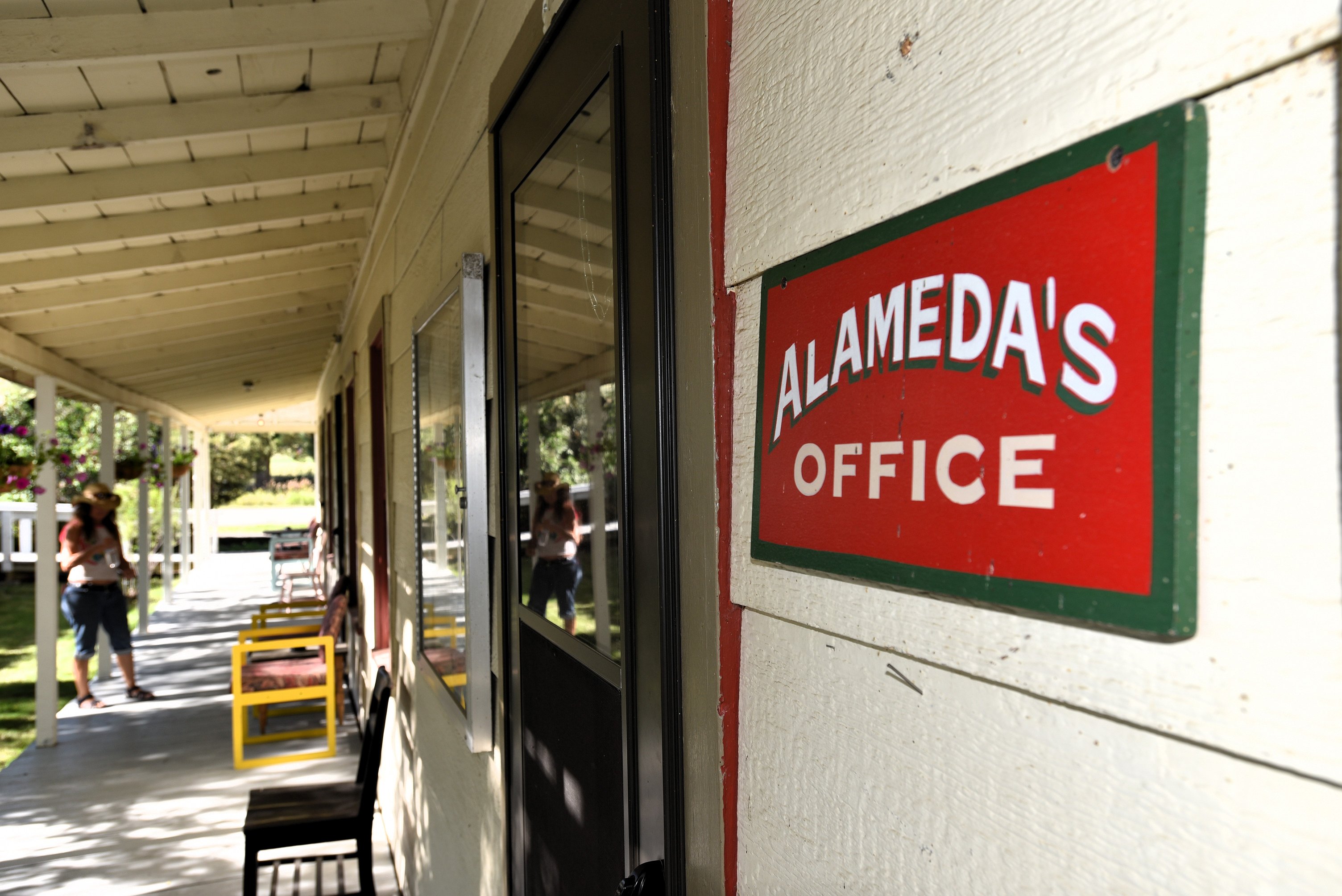 Outside the office of Alameda's Hot Springs Retreat on July 9, 2026. (Hannah Shields/Daily Inter Lake)
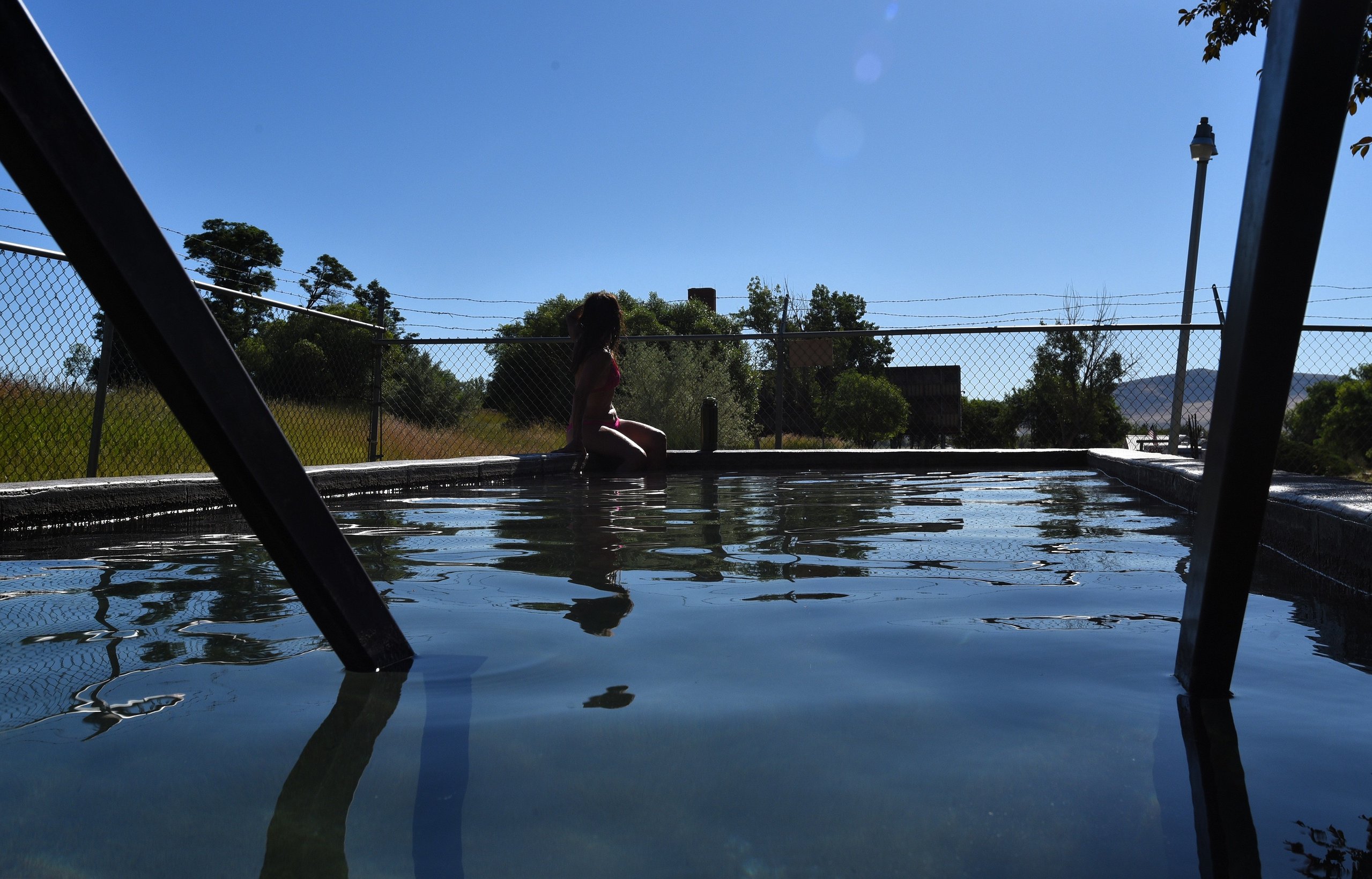 Rachel Bass, 65, enjoys a soak at Rose's Mineral Plunge on July 9, 2026. (Hannah Shields/Daily Inter Lake)
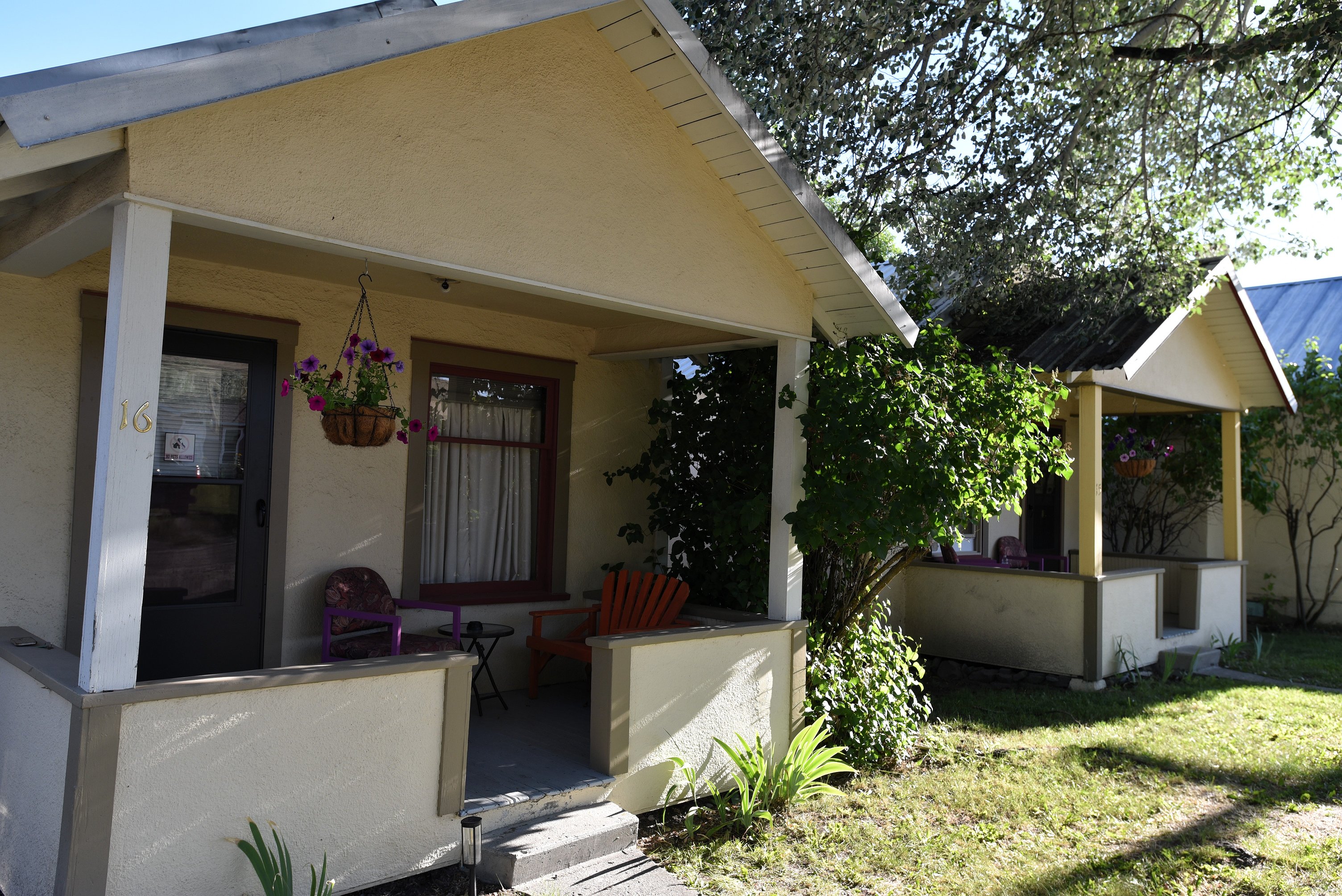 Two units with private porches at Alameda's Hot Springs Retreat on July 9, 2026. (Hannah Shields/Daily Inter Lake)
Casey Kreider
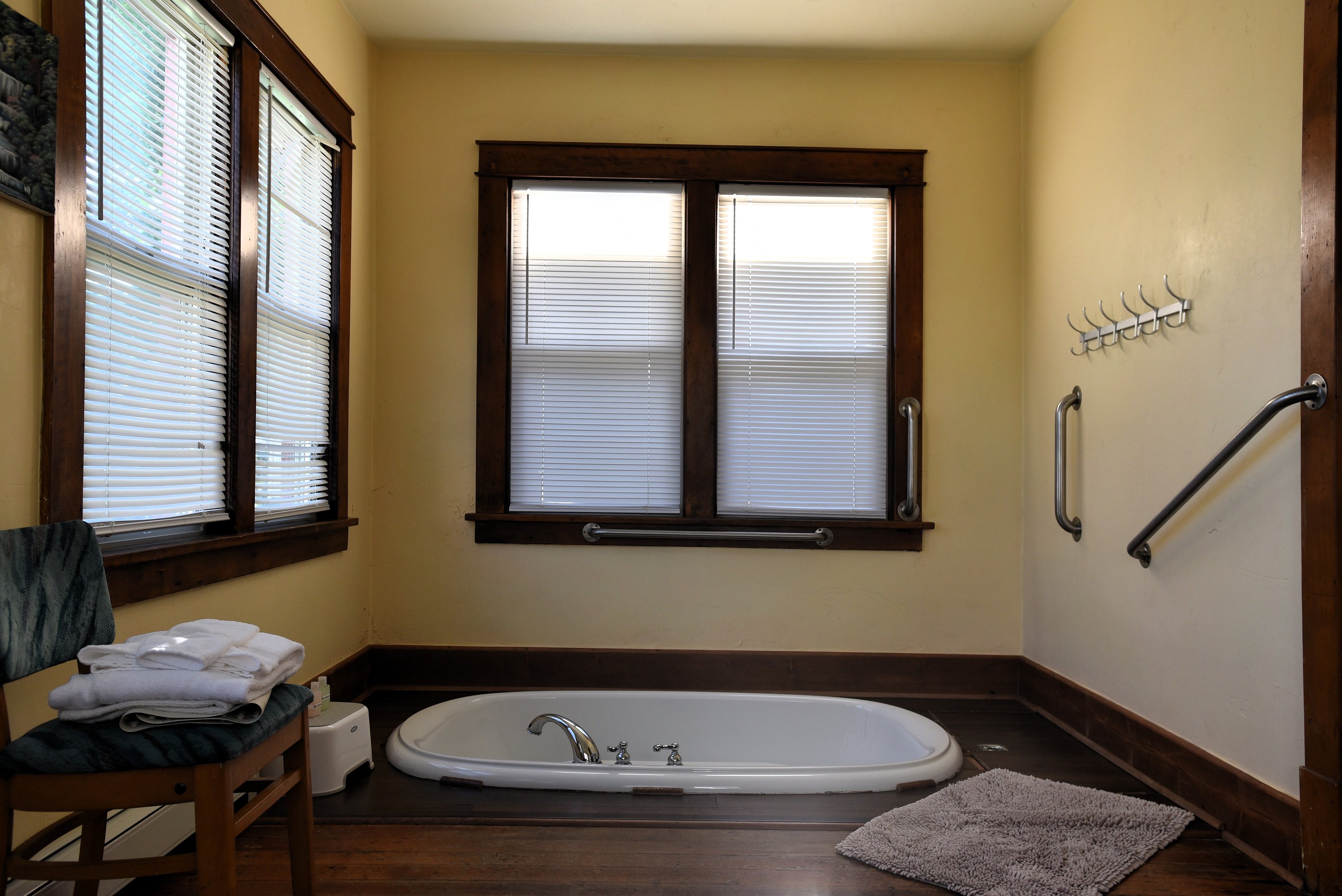 A tub inside one of the units at Alameda's Hot Springs Retreat on July 9, 2026. (Hannah Shields/Daily Inter Lake)
Casey Kreider
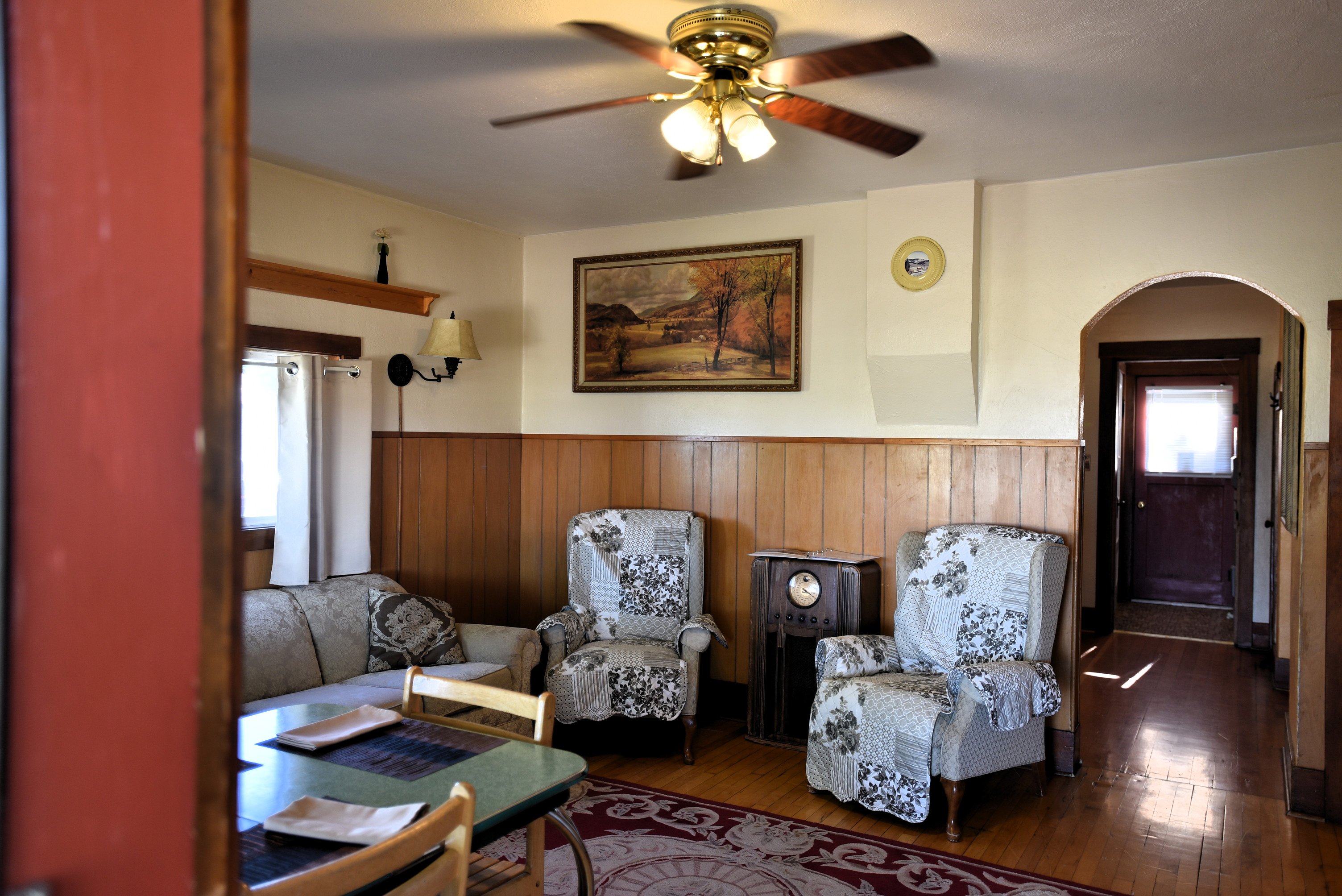 A unit at Alameda's Hot Springs Retreat on July 9, 2026. (Hannah Shields/Daily Inter Lake)
Casey Kreider
ARTICLES BY HANNAH SHIELDS
Property owners pool money build Rollins fire department's new station
Construction of the nine-bay station began in May 2025 and wrapped up earlier this year, adding approximately 9,000 square feet of garage space to the original 6,000-square-foot station.
Lakeside resort vote tabled a second time by Flathead County commissioners
Territory 1889 is a members-only resort planned to span 1,700 acres west of U.S. 93, near Blacktail Mountain.
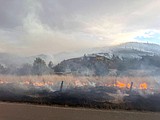
Crews contain 1,700-acre Bras Fire near Hot Springs
A grass fire that threatened two residences and scorched 1,688 acres east of Hot Springs was fully contained Monday afternoon.