
How defense manufacturing is driving the biggest advances in precision production
David Heron | Whitefish Pilot | UPDATED 9 hours, 23 minutes AGO
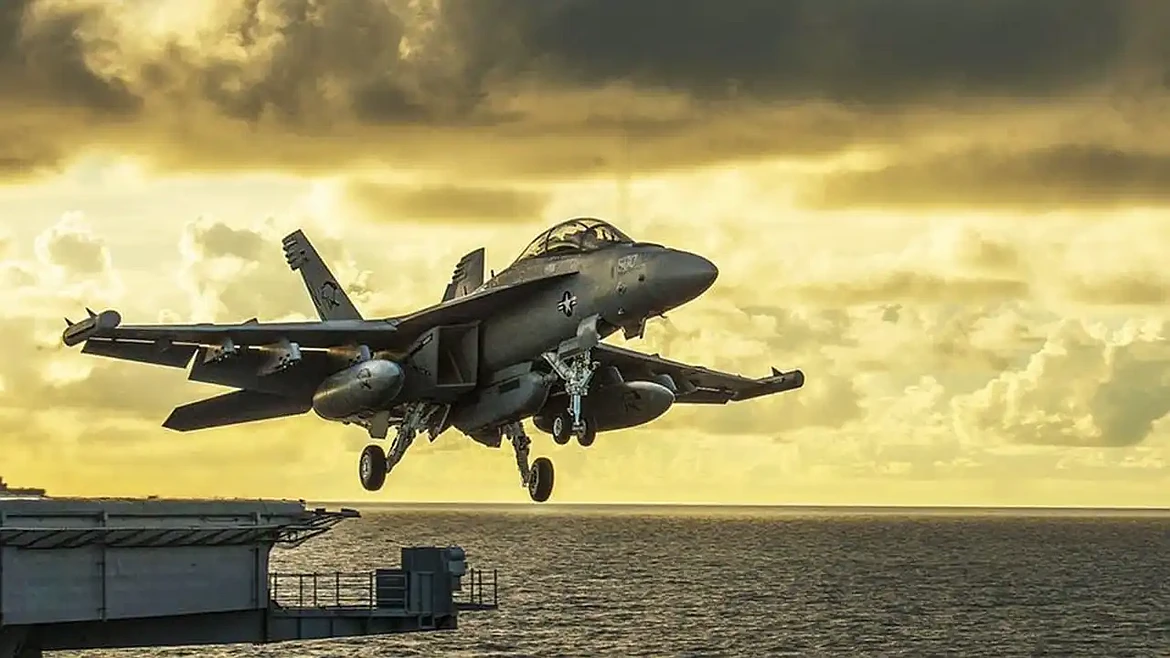
Fighter engines and hypersonic missiles are technologies that ordinary factories rarely attempt. The defense industry innovations behind that hardware are reshaping how precision parts get made everywhere, and the technological breakthroughs are only getting more frequent.
World military expenditure reached $2.887 trillion in 2025, according to SIPRI. A huge share of that money flows into hardware that machines simply could not build a generation ago. Defense manufacturing is where precision production gets pushed hardest, and the rest of industry follows shortly behind.
3D Printing Goes to War
Additive manufacturing has moved from prototype labs into the heart of defense manufacturing. According to Defense News, the Pentagon considers this technology a game changer for military applications.
The Pentagon's ManTech office says 3D printing enables complexity that traditional subtractive methods simply can't produce. Scramjet components for hypersonic weapons can now be printed from high-temperature metals without complex welds. Printed one-off spare parts keep aircraft flying instead of waiting months for suitable replacements to ship over.
3D printing won't necessarily replace the old prototyping methods entirely. But the newest advanced manufacturing techniques will likely play a key role in developing a wide range of critical military hardware.
Defense Manufacturing Keeps Casting on the Cutting Edge
The turbine blades inside a military jet engine survive gas temperatures above the melting point of the metal they are made from. Producing them takes investment casting refined to an almost absurd degree. Single-crystal casting eliminates grain boundaries entirely, giving blades exceptional resistance to creep and fatigue.
A 2027 review in Progress in Materials Science describes the jump from conventional to single-crystal blades as a revolutionary leap in engine performance. Post-casting machining then holds critical features to tolerances measured in hundredths of a millimeter.
Military engine programs keep this cutting-edge method funded. Much of the demand drives US investment casting foundries, which pour the superalloy parts that defense primes cannot source anywhere else.
Superalloys and a Straining Supply Chain
Precision is now possible to such an extent that capacity has become the bottleneck. Demand for advanced castings is outrunning what the world's foundries can pour:
- Orders for aerospace and gas turbine components extend well into the 2030s
- Engine OEMs have signed long-term partnerships specifically to lock in casting capacity
- Nickel-based and cobalt-based superalloys dominate the hot sections where cheaper metals fail
Every defense budget increase tightens this squeeze further. Precision production technologies only matter if someone can actually run them at scale. Military technologies often provide the crucial initial investment that helps a new civilian technology get off the ground. Many important technologies that we rely on every day have their origins in military research.
The Proving Ground
Militaries demand the impossible, and factories keep delivering it. The tightest tolerances and the boldest precision engineering advancements almost always trace back to a defense contract. Defense manufacturing sets the pace, and sooner or later you'll find similar parts making your life easier in your car or kitchen.
Interested in learning more about technology and the state of the world? See our article archives for more.
This article was prepared by an independent contributor which helps us continue delivering quality content to our audiences.