
Small changes, big impact: What water efficiency upgrades actually deliver for everyday homeowners
Cristal Dyer | Daily Inter-Lake | UPDATED 3 months, 1 week AGO
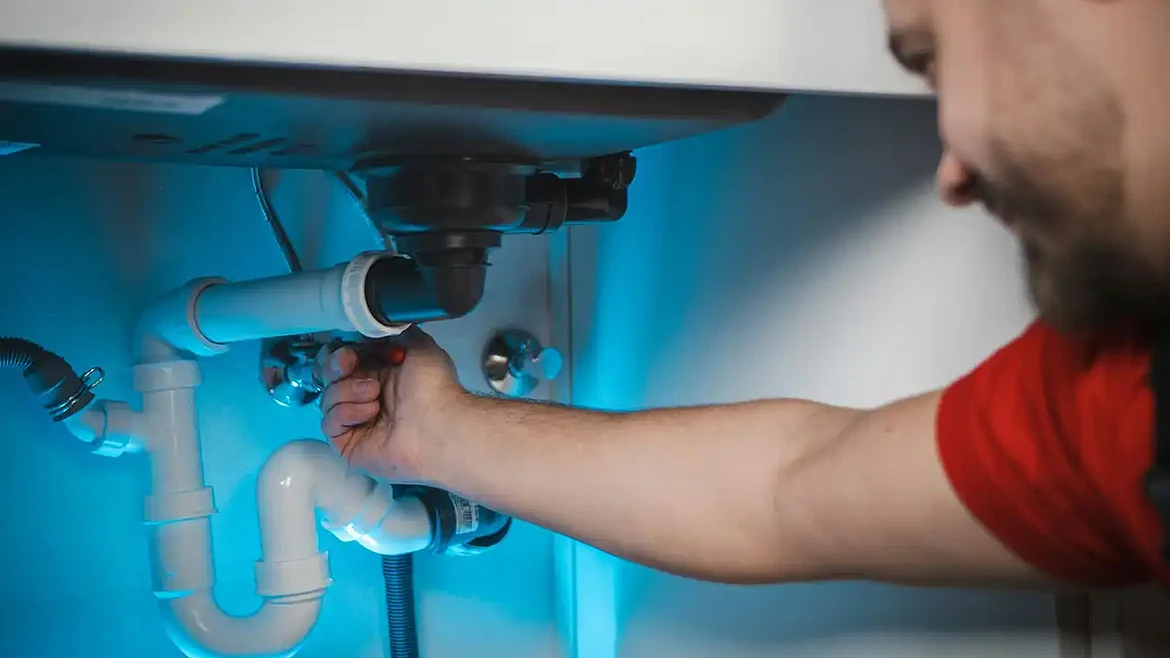
Fixing leaks, replacing an old toilet, and swapping in WaterSense-labeled showerheads deliver the most reliable water savings for everyday homeowners, often cutting bills within a single billing cycle.
Household leaks alone waste almost 1 trillion gallons of water every year across the U.S., according to the EPA's WaterSense program. That's water disappearing through a worn flapper or a dripping faucet while homeowners shop for upgrades they don't actually need yet.
Water efficiency doesn't demand a gutted bathroom or a five-figure budget. A handful of targeted changes, tackled in the right order, can lower your bill and your household's water use for years to come.
Why Do Water Efficiency Upgrades Matter More Than Ever?
Water bills tend to climb every year, and utility companies often pass rising treatment costs straight to homeowners. That trend makes it worth taking a closer look at how much water your home actually uses each day.
Small upgrades can reduce water usage without asking you to change how you shower, wash dishes, or do laundry. In fact, many of the most effective fixes work quietly in the background, saving gallons before you even notice a difference.
Lower water use also means lower energy bills, since heating water accounts for a real chunk of a typical home's energy costs. That connection is exactly why water efficiency and energy savings tend to go hand in hand.
Start With the Basics: Find and Fix Leaks First
Before buying anything new, it pays to check your home for leaks first. A dripping faucet might seem minor, yet a running toilet or a hidden pipe leak can waste a surprising amount of water each month.
Some leaks are obvious, but others hide behind walls or under slabs, so they go unnoticed for months. If your water bill jumps without an explanation, that's usually a sign something needs attention.
A few clues can help you spot a leak before it gets expensive:
- Your water meter still moves when every tap is off
- Damp spots or mold appear on walls or floors
- Your toilet makes noise when nobody has flushed it
- Water pressure drops in one part of the house
If you can't find the source on your own, a plumbing contractor can run a proper inspection and pinpoint the problem fast.
Which Toilet Upgrade Delivers the Biggest Water Savings?
Toilets are the single biggest water user inside most homes, so replacing an old model tends to have the biggest payoff. Models made before 1994 often use far more water per flush than what's sold today.
A water-saving toilet with the WaterSense label uses noticeably less water per flush while still clearing the bowl properly.
Some homeowners worry that low-flow models mean weaker flushes, but modern designs use better bowl shapes and pressure-assist technology to solve that old problem. Installation usually takes an afternoon, and many older toilets can be swapped out without touching the surrounding plumbing at all.
For a single swap, this upgrade often delivers the fastest return of any project on this list.
Showerheads and Faucet Aerators: Small Swaps, Real Savings
Showerheads and faucet aerators rank among the easiest eco-friendly home improvements a homeowner can make in a single weekend. Both parts screw on and off without tools, so swapping them rarely takes more than a few minutes per fixture.
A WaterSense-labeled showerhead mixes air into the water stream, which keeps pressure feeling strong with less water flowing through it. Faucet aerators work the same way at sinks, cutting flow without making handwashing or dishwashing feel slower.
These upgrades cost very little compared to bigger projects, yet homeowners may notice the savings on their very next water bill.
Appliance Upgrades: When Washers and Dishwashers Make Sense
Washers and dishwashers use more water than most homeowners realize, especially older models bought a decade or more ago. Replacing a unit that still works fine rarely makes financial sense, so it's usually smarter to wait until yours needs replacing anyway.
When that time comes, energy-efficient appliances with a WaterSense or ENERGY STAR label tend to use noticeably less water and electricity per load.
Look for a few details before buying:
- Load sensors that adjust water use automatically
- A rated water use per cycle listed on the label
- Cycle options built for smaller or lighter loads
Choosing well at replacement time supports home water conservation without adding a project to your to-do list before you're ready.
Frequently Asked Questions
How Much Can Homeowners Save Each Year With These Upgrades?
Savings vary by household size and current fixtures, but many families cut their annual water bill by a noticeable percentage after a full round of upgrades. Combined with lower water heating costs, the total savings often add up faster than homeowners expect.
Are There Rebates Available for Water-Efficient Fixtures?
Many municipal water utilities offer rebates or discounts for WaterSense-labeled toilets, showerheads, and appliances, though the amount varies by location. It's worth checking with your local water provider before buying, since some programs require proof of purchase or a pre-approval step.
Do Low-Flow Fixtures Affect Water Pressure?
Modern low-flow fixtures use aeration and pressure-compensating designs, so most homeowners notice little to no drop in pressure. Older low-flow models from decades ago earned a bad reputation, yet current technology has mostly solved that complaint.
Is Professional Installation Necessary for These Projects?
Showerheads, aerators, and even toilets can often be installed without hiring anyone, using basic tools and a bit of patience. Appliances and any project involving new plumbing lines usually call for a licensed professional to avoid costly mistakes.
Where to Go From Here
Water efficiency starts with the fixes homeowners tend to overlook: a repaired leak, a WaterSense toilet, and a better showerhead. These changes cost little, install quickly, and lower both water and energy bills without asking anyone to change their daily routine.
Bigger projects like smart leak detectors or full landscape redesigns have their place, but they matter most once the basics are handled. Start with what's easy, then decide if more is worth it for your home. For a closer look at which upgrades fit your specific home and budget, browse more on our website.
This article was prepared by an independent contributor which helps us continue delivering quality content to our audiences.