
Smart ways to lower home maintenance costs without cutting corners
Arin Barry | Daily Inter-Lake | UPDATED 3 months, 1 week AGO
Home maintenance typically costs less when you catch problems early, invest in durable materials, budget correctly, and know which jobs to hire out. You don't need to skip repairs or buy cheap materials to save money on your house. You need a system.
Many homeowners do the opposite. They ignore small issues until they turn into expensive emergencies, then panic-hire the first contractor they can find. In fact, according to a Clever Offers homeowners survey, 65% of homeowners have ignored a maintenance task within the past five years, and 29% later needed a repair they believe could have been prevented if they had not delayed maintenance.
Tired of surprise bills draining your budget? A clear maintenance plan can protect your home and your peace of mind.
Why Is Preventive Maintenance a Smart Investment?
A leaking roof left alone for a season doesn't stay a small leak. It becomes water damage, then mold, then a bigger repair bill than the original fix would have cost.
The same pattern applies to almost every system in your house. HVAC, plumbing, gutters, and appliances can all become more expensive to repair when small problems go unaddressed.
How To Get Started
Begin your home maintenance regimen with the following steps:
- Build a twice-a-year inspection routine
- Create a simple maintenance calendar
- Set recurring reminders on your phone
Breaking maintenance into seasonal tasks makes it easier to stay on top of them and reduce maintenance expenses over time.
Some of the preventive tasks that should never be delayed include the following:
- Cleaning gutters before heavy rain seasons
- Flushing water heaters once a year to remove sediment
- Replacing HVAC filters every few months
- Checking plumbing for small leaks
- Inspecting roof flashing after major storms
- Sealing gaps around doors and windows
- Removing pest infestations
While you're outside mowing the lawn or working in the yard, take a few extra minutes to look for foundation cracks, damaged siding, or other signs of wear.
Don't forget to check your basement, attic, utility room, and the areas around sinks and appliances regularly. Use foil tape and mastic sealant to close gaps around duct joints in these spaces. This quick afternoon project lowers your utility bills immediately and reduces strain on your blower motor.
Even something as simple as replacing a worn washer in a supply line can stop a small leak from turning into an expensive insurance claim or major repair.
What Maintenance Projects Can Homeowners Safely Handle?
Many routine tasks are ideal for homeowners with basic tools and a little patience. Learning a few simple skills can contribute to cost-effective home care without compromising quality.
Focus on tasks like:
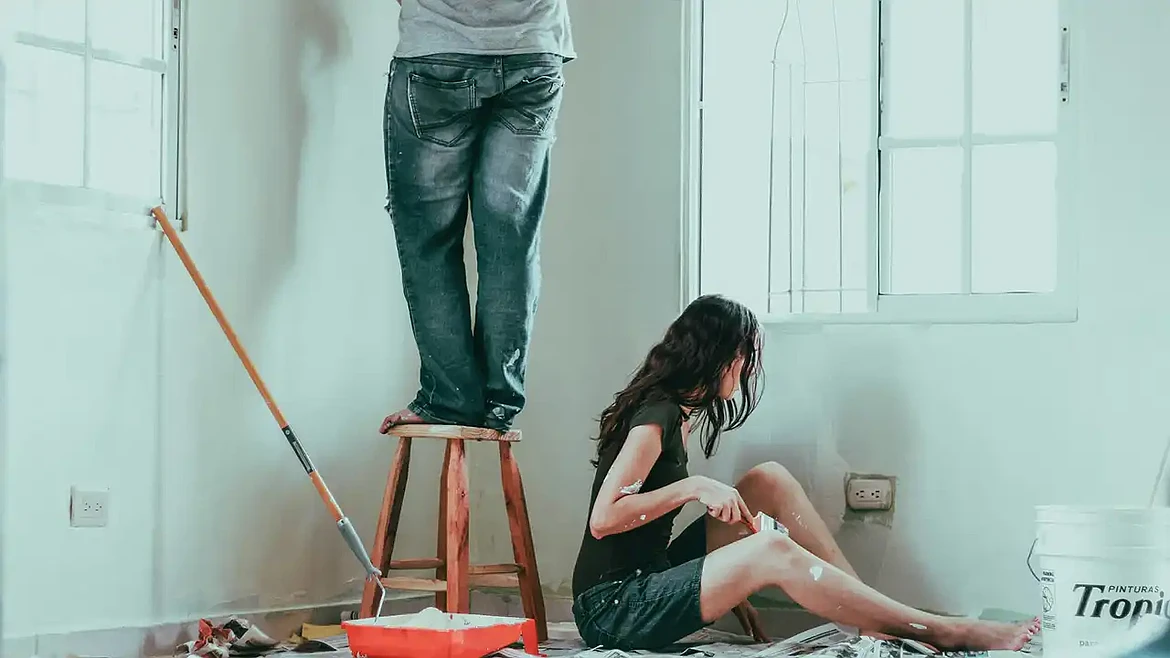
- Painting
- Replacing weatherstripping
- Changing air filters
- Caulking
- Trimming tree branches and shrubs near the house
- Cleaning outdoor drains and downspouts
Bonus Tip: Invest in commercial-grade finishes; they may cost more upfront, but they last much longer.
Which Maintenance Tasks Require a Professional?
Some jobs may look simple on the surface, yet one mistake can turn a routine maintenance task into an expensive repair.
Take roof repairs, for example. Beyond the fall risk, a badly patched roof can lead to hidden leaks that rot the decking underneath before you ever see a stain on the ceiling. Roofers know how to spot and fix flashing and ventilation issues a homeowner would miss.
Anything beyond swapping a light switch or outlet cover should go to a licensed electrician. Wiring mistakes can cause fires or shocks, and many jurisdictions require a permit and inspection for:
- Panel work
- Rewiring
- New circuits
The same caution applies to gas lines and major plumbing repairs. A gas leak can quickly become dangerous, while an incorrectly repaired pipe may lead to hidden water damage behind walls or under floors.
Heating and cooling systems are complex. Changing an air filter is easy, but annual servicing is worth leaving to a qualified technician.
If you're constantly dealing with drafts, leaks, or windows and doors that no longer work properly, replacement may be the more practical solution. Find out more about your options at Reece Windows | Jacksonville.
Finally, if you notice foundation cracks, spreading mold, or signs of structural damage, it's best to bring in an expert. These problems need a thorough assessment to address the root cause.
Frequently Asked Questions
What Is a Realistic Home Maintenance Budget?
A good rule of thumb is to set aside 1% to 3% of your home's value for annual maintenance.
However, the right amount depends on the age of your home, the local climate, and the condition of major systems like the:
- Roof
- Plumbing
- HVAC
Saving a little each month can make it easier to cover routine repairs without relying on credit when unexpected problems come up.
Is It Better to Repair or Replace Aging Home Features?
The answer depends on the condition of the item and the cost of repeated repairs. If a roof, water heater, or window needs frequent repairs or no longer performs efficiently, replacement may save you money in the long run.
If the problem is minor and the component is otherwise in good condition, a repair is often the more practical choice. Comparing the cost of repairs with the remaining lifespan of the item can help you decide which option offers better value.
Does Regular Maintenance Help You Maintain Home Value?
Yes. A home's value depends partly on its condition. Maintenance that protects the home's structure and major systems usually provides the greatest long-term value.
Signs of neglect, such as damaged siding or stained ceilings, can raise concerns about the rest of the property, which can affect both interest in the home and the offers you receive.
Keeping records of inspections, repairs, and major upgrades shows responsible ownership and may strengthen buyer confidence if you decide to sell in the future.
Why Quality Home Maintenance Pays Off
Keeping up with home maintenance does not require spending a fortune. The best strategy is to stay ahead of problems, invest in quality where it matters, and tackle routine upkeep before small issues become major, costly repairs.
Looking for more homeowner resources? Explore our website today.
This article was prepared by an independent contributor which helps us continue delivering quality content to our audiences.