
What accident trauma does to families that nobody prepares them for
Shoshone News-Press | UPDATED 3 months, 1 week AGO
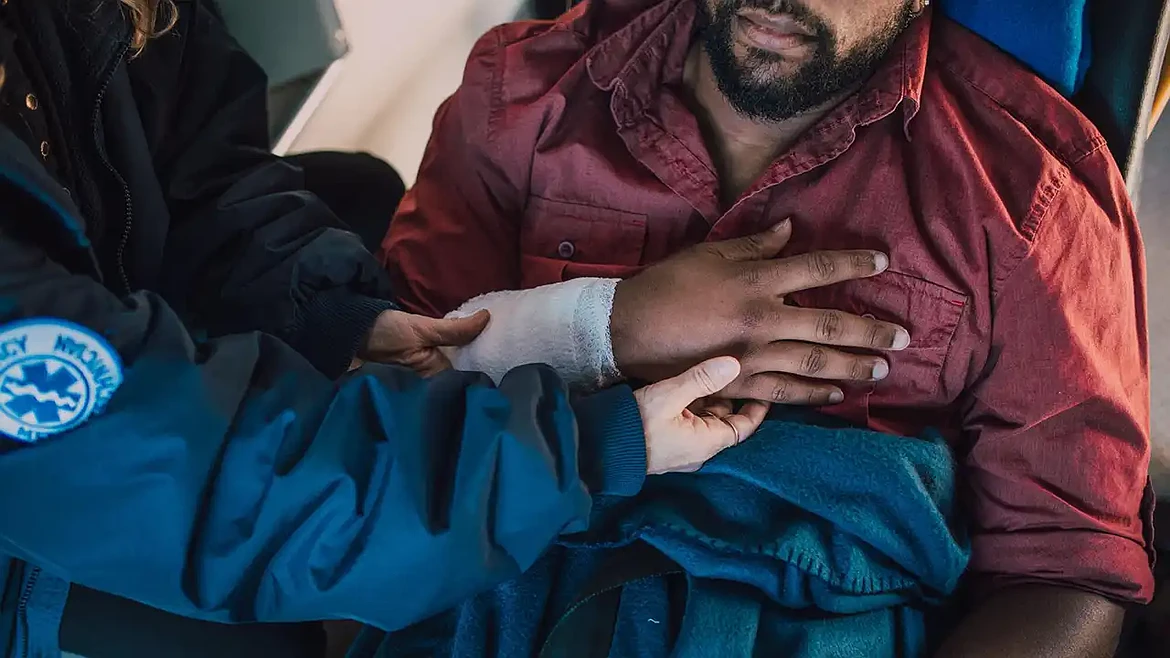
Accident trauma reaches far past the person who was hurt. It disrupts communication, finances, caregiving roles, and emotional stability for spouses, children, and parents who were nowhere near the crash.
In one clinical study published in PubMed Central, 82% of family members caring for road traffic accident survivors reported experiencing shock, and nearly 67% experienced depression, long before the patient even left the hospital. A single collision can rearrange an entire household within seconds.
Recovery timelines get built around scans and surgeries, while the psychological impact of accidents on the people standing at the bedside rarely enters the conversation.
What Catches Families Off Guard?
When someone survives an accident, the family often shifts into new roles almost overnight. A parent might suddenly become a caregiver, and a teenager could end up explaining medical terms to a grandparent, which can feel like a lot for anyone to carry.
These changes tend to strain relationships that once felt steady, and they often bring on the psychological impact of accidents before anyone notices it happening.
Why Is Living With Uncertainty The Real Struggle?
Most families expect the hospital stay to be the hardest part, yet the longer struggle often comes after everyone goes home. Bills pile up fast, and lost income, travel costs, and home changes can often turn into unexpected life challenges nobody planned for.
Some families typically reach out to firms like Bailey Law Firm for guidance on compensation and medical costs, which can ease part of the financial strain.
The Quiet Burden Of Being "The Strong One"
Many family members often hide their own fear because they feel responsible for holding the household together. This habit can delay their own recovery, and it often leads to exhaustion that nobody else notices.
Stress like this tends to spill into marriages, sibling relationships, and parent-child bonds, sometimes creating distance that lasts long after the injury heals. The injured person often gets more emotional recovery guidance than the people caring for them.
How Families Can Support Each Other Through Accident Trauma
Coping with trauma gets easier when a family names what is happening instead of pretending everything is fine. Family support strategies work best when tasks get shared early, even if the plan feels a little messy at first.
A few steps tend to help families move forward together, and they cost little more than time and honesty:
- Say the stress out loud instead of calling it "being busy"
- Share caregiving and household tasks as soon as possible
- Watch for sleep problems, irritability, or withdrawal that persists
- Bring in a counselor or outside helper when needed
Rebuilding Life After The Unexpected
Accident trauma changes more than routines and finances; it reshapes how a family communicates, grieves, and shows up for each other. The physical wounds may heal on a predictable timeline, but the emotional and financial toll often lingers well beyond discharge day. Naming the stress, sharing responsibilities, and asking for help early can protect both the injured person and everyone around them.
If your family is navigating the aftermath of an accident, our website offers more guidance on caregiving, communication, and financial recovery to help you move forward with clarity.
This article was prepared by an independent contributor which helps us continue delivering quality content to our audiences.